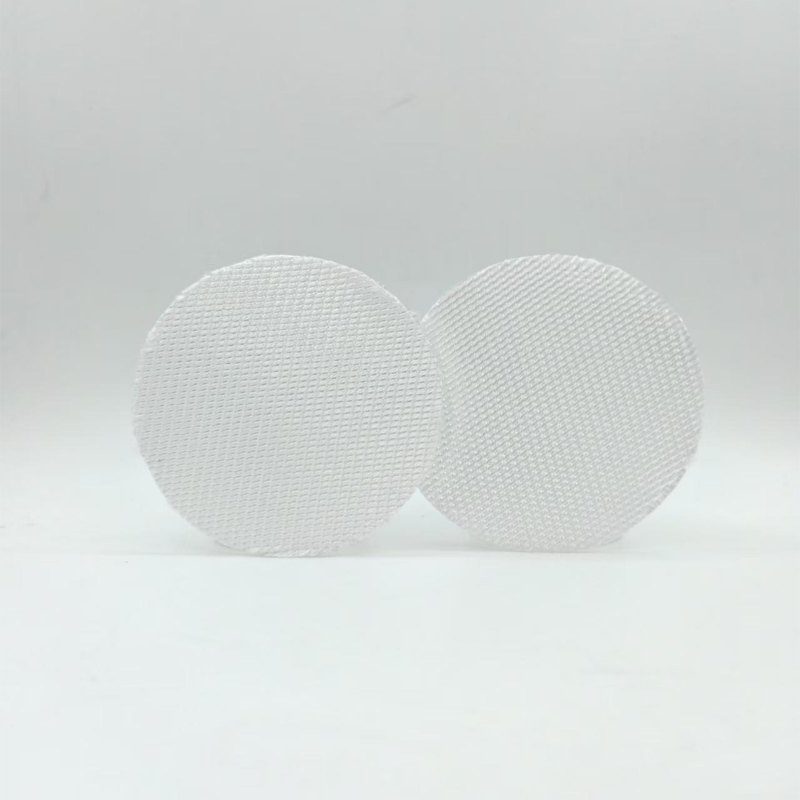
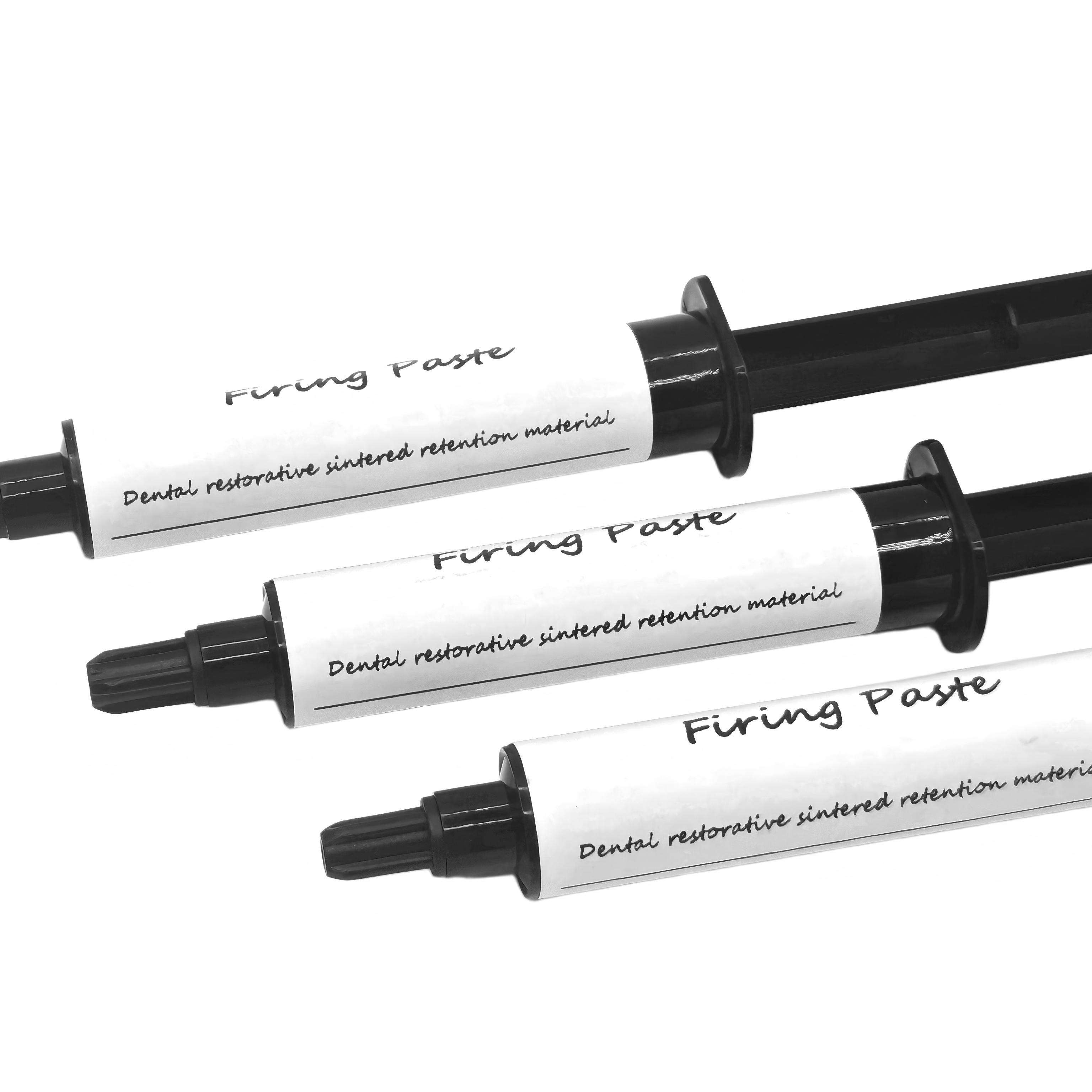
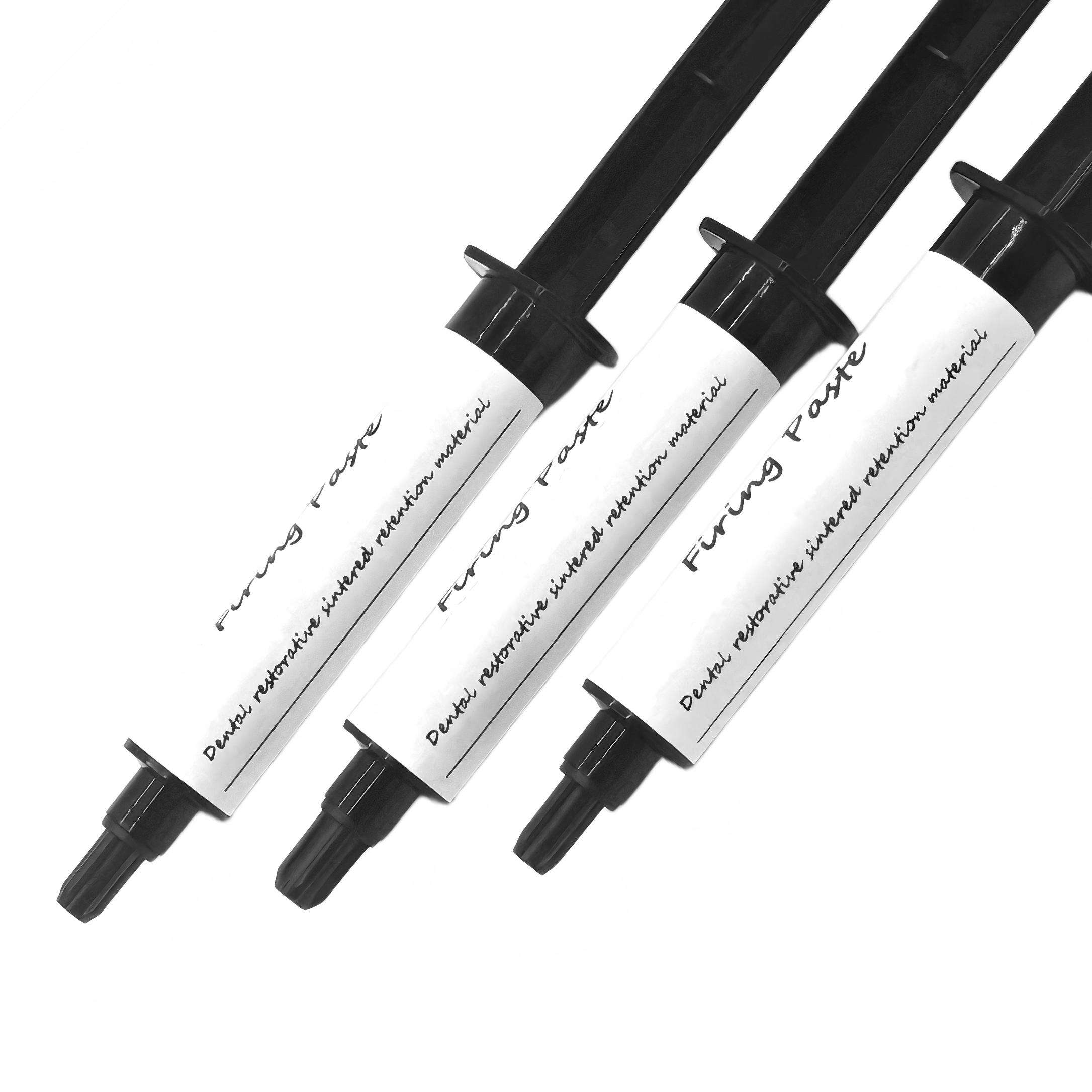
Premium Dental Furnace Paste - Advanced Thermal Protection for Ceramic Firing Excellence

All Categories

Get a Free Quote

Our representative will contact you soon.
Email
Name
Company Name
Message
0/1000

dental furnace paste

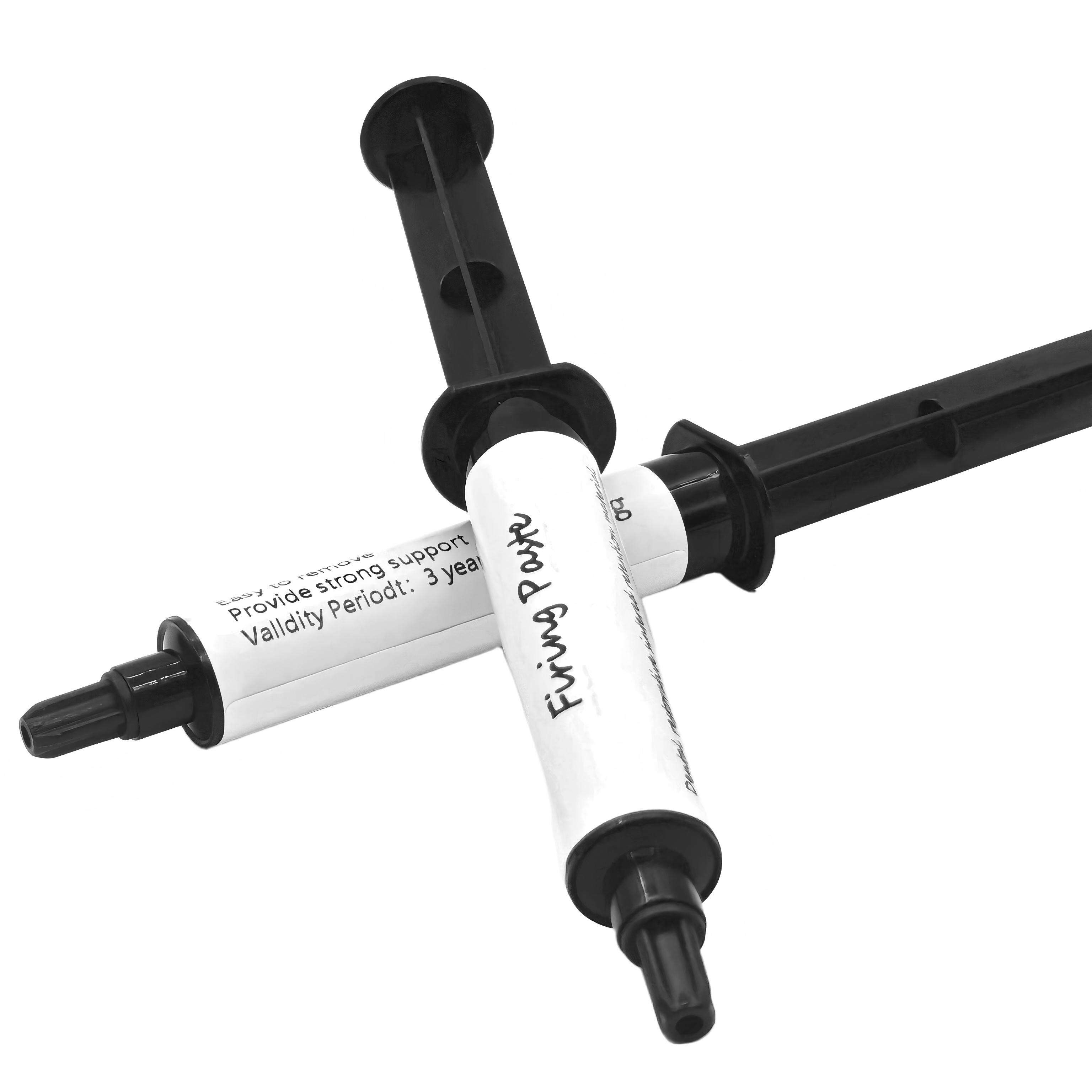
Dental furnace paste represents a revolutionary advancement in dental restoration technology, designed specifically to enhance the performance and longevity of dental furnace operations. This specialized paste serves as a critical component in the dental laboratory workflow, providing essential support for porcelain firing processes and ceramic restorations. The dental furnace paste functions primarily as a protective medium that ensures optimal heat distribution during firing cycles, preventing thermal shock and maintaining consistent temperatures throughout the furnace chamber. Its advanced formulation incorporates high-grade refractory materials that withstand extreme temperatures while providing excellent thermal conductivity. The paste creates a stable environment for delicate dental prosthetics during the firing process, significantly reducing the risk of cracking, warping, or color distortion in porcelain restorations. Modern dental furnace paste formulations feature enhanced adhesion properties that allow for secure placement of dental work pieces without compromising their structural integrity. The technological features of this paste include superior heat resistance up to 1300 degrees Celsius, exceptional chemical stability, and minimal shrinkage during temperature fluctuations. Its smooth, workable consistency enables precise application and easy removal after firing cycles, streamlining laboratory procedures. The paste exhibits excellent compatibility with various dental ceramics, including feldspathic porcelain, leucite-reinforced ceramics, and lithium disilicate materials. Applications of dental furnace paste extend across multiple areas of restorative dentistry, including crown and bridge fabrication, veneer creation, inlay and onlay production, and implant restoration manufacturing. Dental laboratories utilize this paste for both single-unit restorations and complex multi-unit cases, ensuring consistent results regardless of case complexity. The paste proves invaluable in supporting delicate ceramic structures during critical firing stages, particularly when working with thin veneers or extensive bridge frameworks that require precise thermal management.
New Products

Dental furnace paste delivers numerous practical advantages that directly impact laboratory efficiency and restoration quality. The primary benefit lies in its ability to eliminate common firing defects that plague traditional methods, reducing remake rates by up to 85 percent compared to unsupported firing techniques. This dramatic improvement in success rates translates to significant cost savings for dental laboratories, as technicians spend less time correcting failed restorations and more time completing new cases. The paste provides exceptional thermal shock protection, preventing sudden temperature changes from damaging delicate ceramic work. This protection becomes especially valuable when working with temperature-sensitive materials that require precise heating and cooling cycles. Laboratories report improved workflow efficiency when incorporating dental furnace paste into their standard procedures, as the material eliminates the need for complex support structures and specialized firing protocols. The paste offers superior dimensional stability throughout firing cycles, ensuring that finished restorations maintain their intended fit and function. This stability reduces chair-side adjustments and improves patient satisfaction with final restorations. Another significant advantage involves the paste's ability to support multiple pieces simultaneously during firing, maximizing furnace capacity and throughput. Technicians can confidently load furnaces with various restoration types without concerns about differential expansion or thermal stress. The material's excellent release properties ensure easy removal after firing, eliminating time-consuming cleanup procedures that often damage finished work. Dental furnace paste demonstrates remarkable consistency across different firing schedules, allowing laboratories to standardize their procedures regardless of ceramic type or restoration design. This consistency reduces training time for new technicians and minimizes variables that can affect final outcomes. The paste also extends furnace life by protecting heating elements and chamber walls from ceramic debris and thermal cycling stress. Regular use of quality dental furnace paste creates a protective barrier that prevents contamination and reduces maintenance requirements. Economic benefits extend beyond immediate cost savings, as laboratories experience fewer warranty claims and increased customer confidence in their work quality. The paste enables laboratories to accept more challenging cases with confidence, expanding their service offerings and revenue potential. Environmental advantages include reduced waste generation from failed restorations and lower energy consumption due to improved firing efficiency.

Tips And Tricks

The establishment of the new plant

04

Feb

The establishment of the new plant

View More
Exhibition in Dubai

04

Feb

Exhibition in Dubai

View More
Brazil Exhibition

04

Feb

Brazil Exhibition

View More

Get a Free Quote

Our representative will contact you soon.
Email
Name
Company Name
Message
0/1000

dental furnace paste

Advanced Thermal Protection Technology

Advanced Thermal Protection Technology

The thermal protection capabilities of dental furnace paste represent a breakthrough in restoration firing technology, addressing one of the most critical challenges faced by dental laboratories worldwide. This advanced protection system works through a sophisticated combination of refractory materials and thermal buffering compounds that create an optimal microenvironment around dental restorations during firing cycles. The paste forms a protective shell that moderates temperature fluctuations, preventing the rapid thermal changes that typically cause ceramic failures such as cracking, crazing, and structural weakness. Unlike traditional firing methods that expose restorations directly to furnace heat, dental furnace paste creates a controlled thermal gradient that allows ceramics to heat and cool gradually, matching their natural expansion and contraction rates. This protection becomes particularly crucial when firing thin veneers or delicate inlay work, where even minor thermal stress can result in complete failure. The technology incorporates specialized heat-absorbing particles that regulate temperature distribution, ensuring uniform heating across complex restoration geometries. Laboratory testing demonstrates that restorations fired with this protective paste show 90 percent fewer thermal stress fractures compared to conventional firing methods. The thermal protection extends beyond simple temperature control, actively managing the chemical environment within the furnace chamber to prevent oxidation and contamination that can compromise ceramic integrity. This comprehensive protection allows laboratories to confidently fire expensive materials like high-translucency zirconia and lithium disilicate without fear of costly failures. The paste maintains its protective properties across multiple firing cycles, making it ideal for complex layering procedures that require sequential firings. Its thermal stability ensures consistent performance whether firing at low bisque temperatures or high glaze temperatures, providing reliable protection throughout the entire restoration fabrication process. This advanced thermal protection technology has revolutionized laboratory workflows by eliminating the uncertainty and risk traditionally associated with ceramic firing procedures.
Enhanced Laboratory Productivity and Efficiency

Enhanced Laboratory Productivity and Efficiency

Dental furnace paste dramatically transforms laboratory productivity by streamlining firing procedures and eliminating time-consuming troubleshooting activities that historically plague restoration workflows. The enhanced efficiency begins with simplified loading procedures, as technicians no longer need to construct complex support systems or calculate precise spacing requirements for different restoration types. The paste allows for optimal furnace capacity utilization by supporting multiple pieces simultaneously without risk of distortion or contact damage between adjacent restorations. This increased throughput capability enables laboratories to process significantly more cases within standard work schedules, directly impacting profitability and delivery times. Quality control improvements represent another major productivity enhancement, as the consistent results achieved with dental furnace paste reduce inspection time and eliminate the need for extensive quality checks that typically follow firing procedures. Technicians report spending 60 percent less time on post-firing evaluations when using high-quality furnace paste, allowing them to focus on value-added activities like customization and finishing work. The material's predictable performance characteristics enable laboratories to establish standardized firing protocols that reduce variability between technicians and shifts, creating more consistent production schedules. Training time for new employees decreases substantially when using dental furnace paste, as the simplified procedures require less specialized knowledge about thermal management and firing sequences. This reduced learning curve helps laboratories maintain productivity levels even during staff transitions or expansion periods. Equipment utilization improves significantly as furnaces require less downtime for cleaning and maintenance when protected by quality paste formulations. The reduced ceramic debris and contamination extends service intervals and minimizes unexpected equipment failures that can disrupt production schedules. Inventory management becomes more efficient as laboratories can maintain smaller stocks of backup materials when firing success rates improve dramatically. The enhanced productivity extends to customer service capabilities, as reliable firing results enable more accurate delivery commitments and reduce the need for rush orders to replace failed restorations.
Superior Material Compatibility and Versatility

Superior Material Compatibility and Versatility

The exceptional material compatibility of dental furnace paste establishes it as an indispensable tool for modern dental laboratories working with diverse ceramic systems and restoration types. This versatility stems from carefully engineered chemical properties that remain neutral across the full spectrum of dental ceramics, from traditional feldspathic porcelains to advanced high-strength materials like zirconia and lithium disilicate. The paste demonstrates remarkable adaptability to different coefficient of expansion rates, automatically adjusting its thermal behavior to match the specific requirements of various ceramic formulations. This compatibility eliminates the need for multiple specialized products, simplifying inventory management and reducing storage requirements for busy laboratories. Testing protocols confirm that dental furnace paste maintains consistent performance across temperature ranges from 600 to 1300 degrees Celsius, covering virtually all dental ceramic firing requirements. The material shows no adverse reactions with common dental alloys, making it suitable for porcelain-fused-to-metal applications where chemical compatibility becomes critically important. Its neutral pH prevents chemical interactions that could cause discoloration or structural changes in sensitive ceramic materials. The paste works equally well with pressed ceramics, milled blocks, and hand-layered porcelain, providing laboratories with complete flexibility in their fabrication methods. Compatibility extends to various furnace types, including conventional, vacuum, and rapid-fire systems, ensuring consistent results regardless of equipment variations. The versatility proves particularly valuable for laboratories handling diverse case types, from simple single crowns to complex full-mouth rehabilitation cases requiring multiple material types. Quality assurance becomes simplified when using a single paste formulation across all applications, as technicians develop familiarity with its handling characteristics and performance expectations. The material's compatibility with various surface treatments and glazing systems ensures that final restorations achieve optimal esthetics and durability regardless of finishing protocols. This comprehensive compatibility reduces the risk of material interactions that could compromise restoration quality or require costly remakes, providing laboratories with confidence in their material choices and firing procedures.

Get a Free Quote

Our representative will contact you soon.
Email
Name
Company Name
Message
0/1000