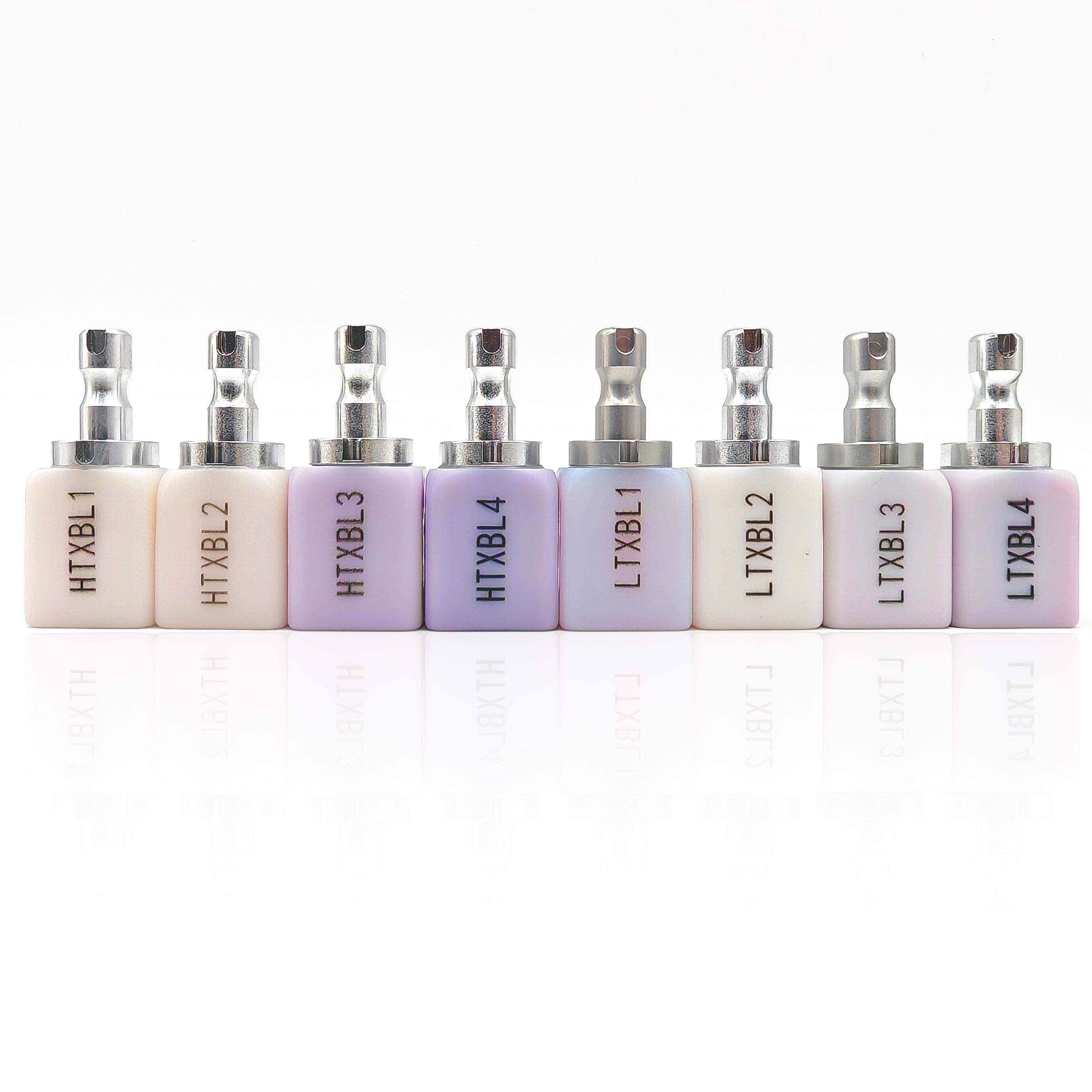
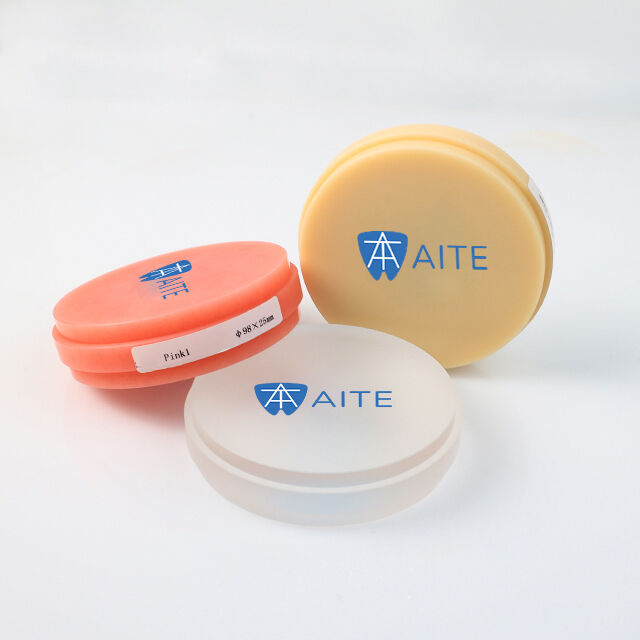
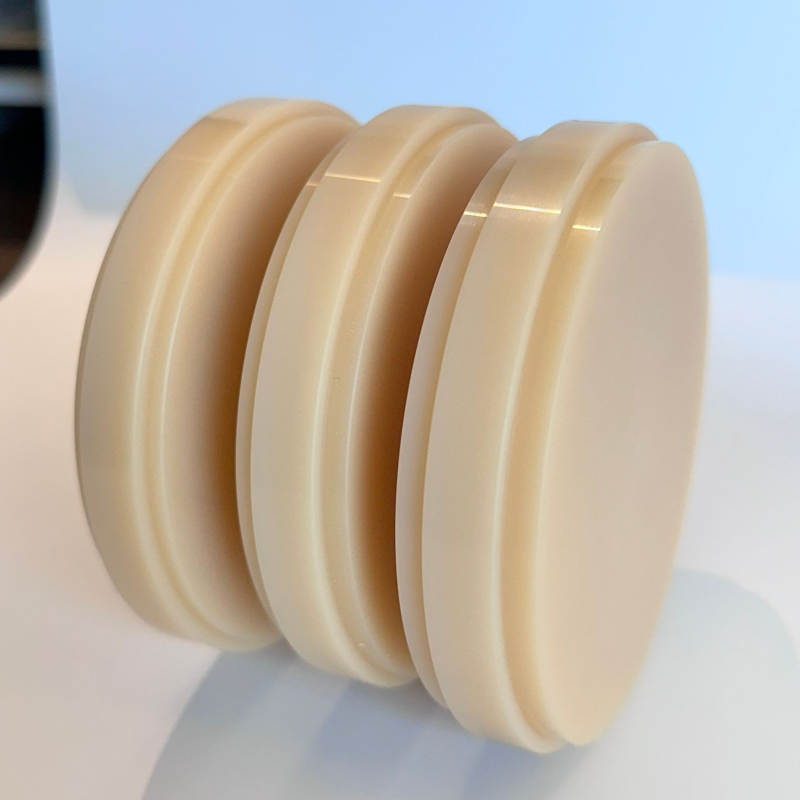
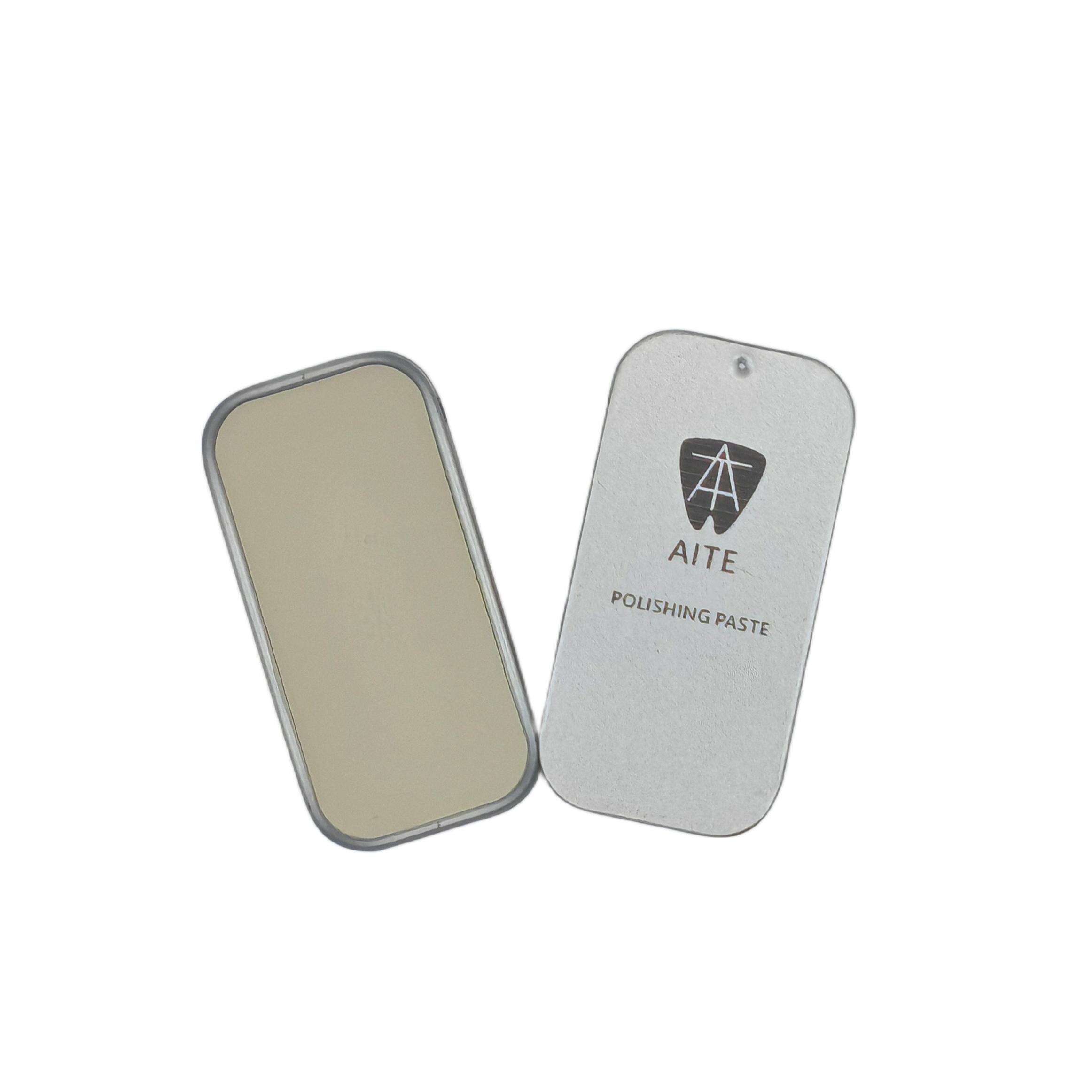
dental lab bonding materials
Dental lab bonding materials represent a cornerstone technology in modern prosthetic dentistry, serving as the essential bridge between metal frameworks and ceramic or composite veneering materials. These specialized adhesive systems are meticulously engineered to create permanent chemical bonds that withstand the demanding oral environment while maintaining aesthetic excellence. The primary function of dental lab bonding materials centers on establishing reliable adhesion between dissimilar materials, particularly metal alloys and porcelain or resin-based composites. This bonding process involves complex chemical interactions that create molecular-level adhesion, ensuring long-term stability and durability of dental restorations. The technological sophistication of modern dental lab bonding materials incorporates advanced silane coupling agents, adhesion promoters, and surface conditioning systems that prepare substrates for optimal bonding performance. These materials feature precise viscosity control, allowing dental technicians to achieve uniform application across complex geometries while maintaining working time flexibility. Temperature resistance properties ensure bonds remain stable under thermal cycling conditions that simulate normal eating and drinking patterns. The applications of dental lab bonding materials span across multiple restoration types, including porcelain-fused-to-metal crowns, metal-ceramic bridges, implant-supported prosthetics, and hybrid restoration systems. In crown fabrication, these materials enable the seamless integration of metal copings with aesthetic porcelain layers, creating restorations that combine structural strength with natural appearance. Bridge construction relies heavily on bonding materials to ensure uniform stress distribution across multiple units while maintaining individual component integrity. Implant prosthetics benefit from specialized bonding formulations designed to accommodate the unique properties of titanium and zirconia abutments. The precision application of dental lab bonding materials requires careful surface preparation, controlled environmental conditions, and adherence to manufacturer protocols to achieve optimal clinical outcomes and patient satisfaction.

 EN
EN