dental lab sintering supplies
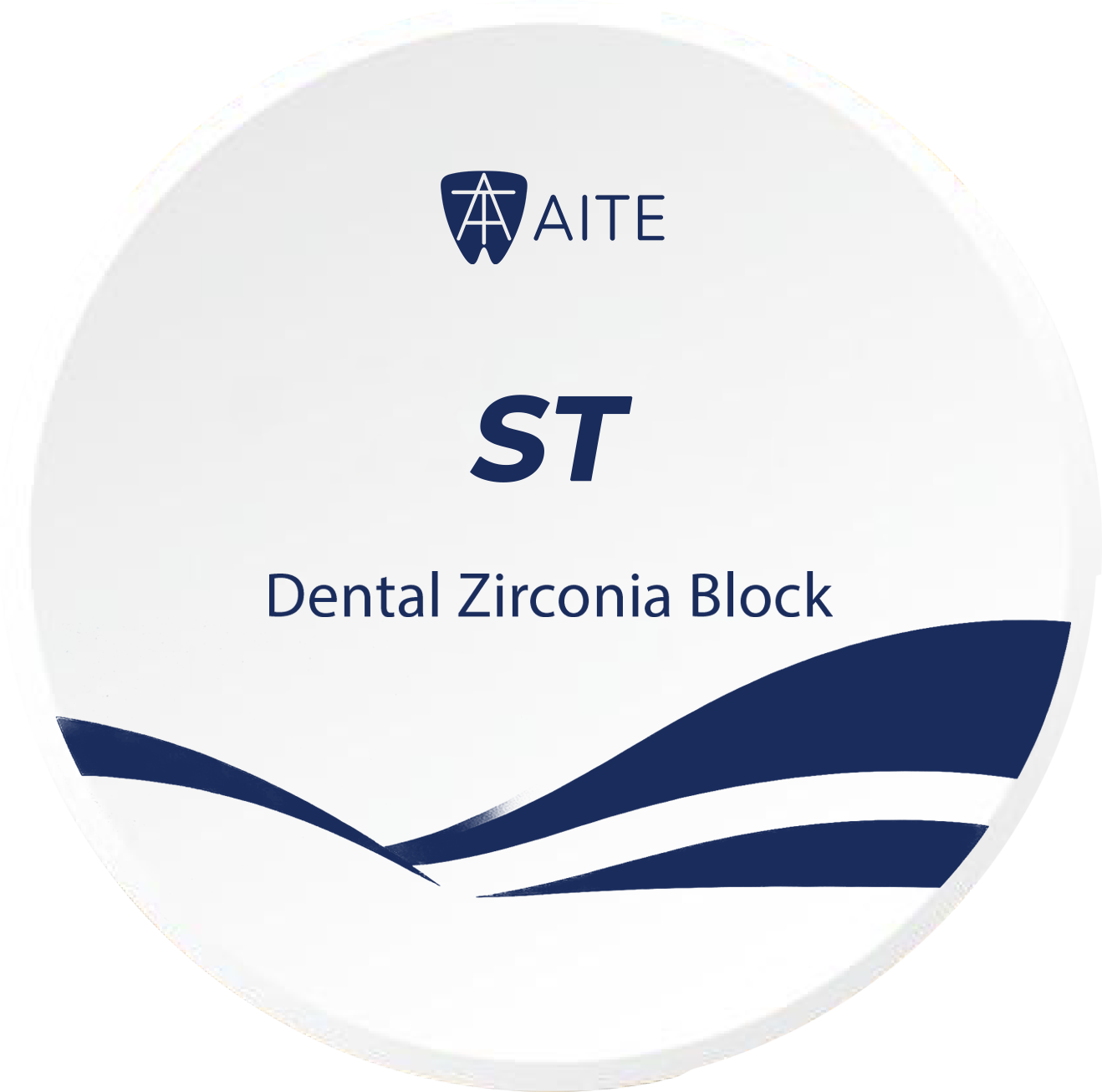
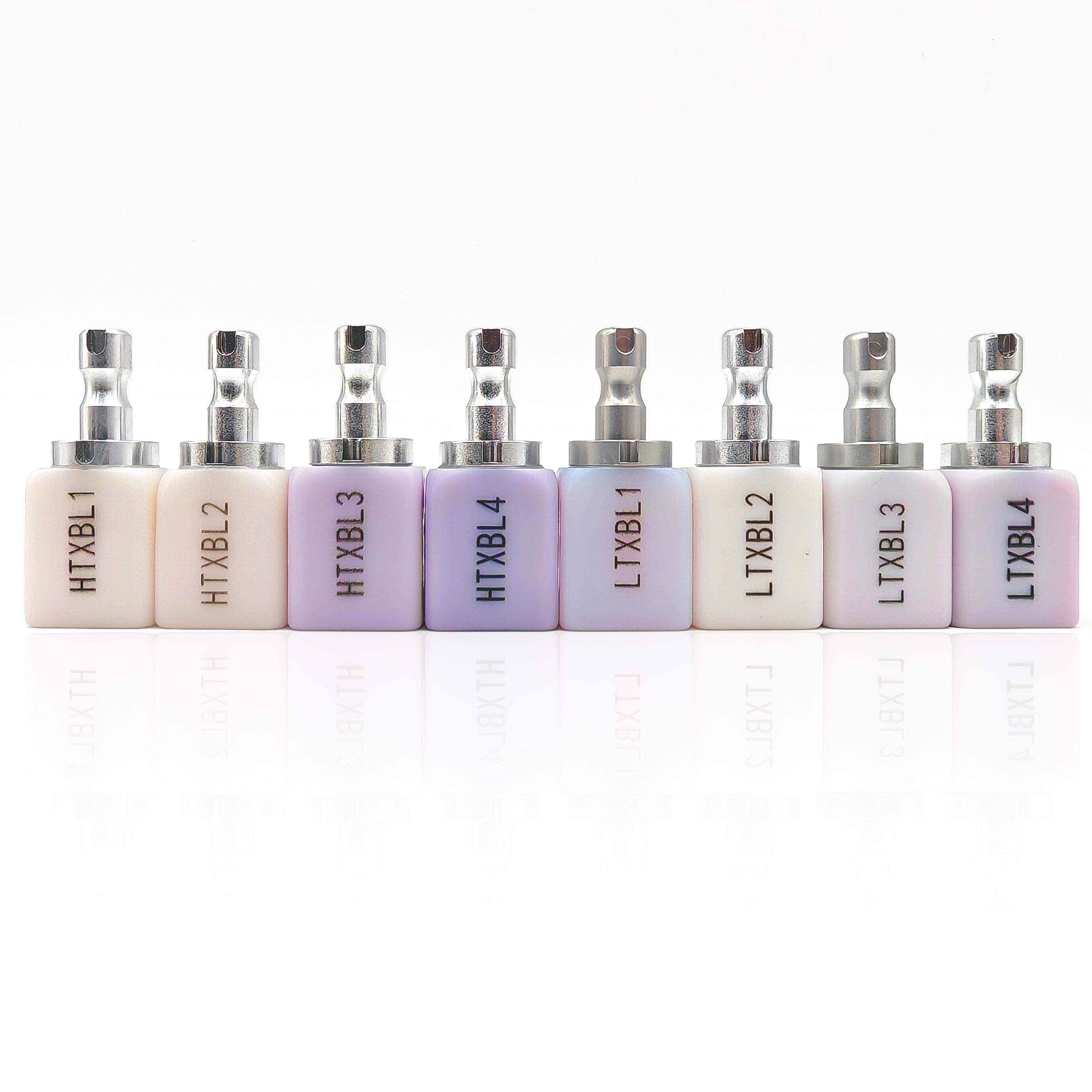
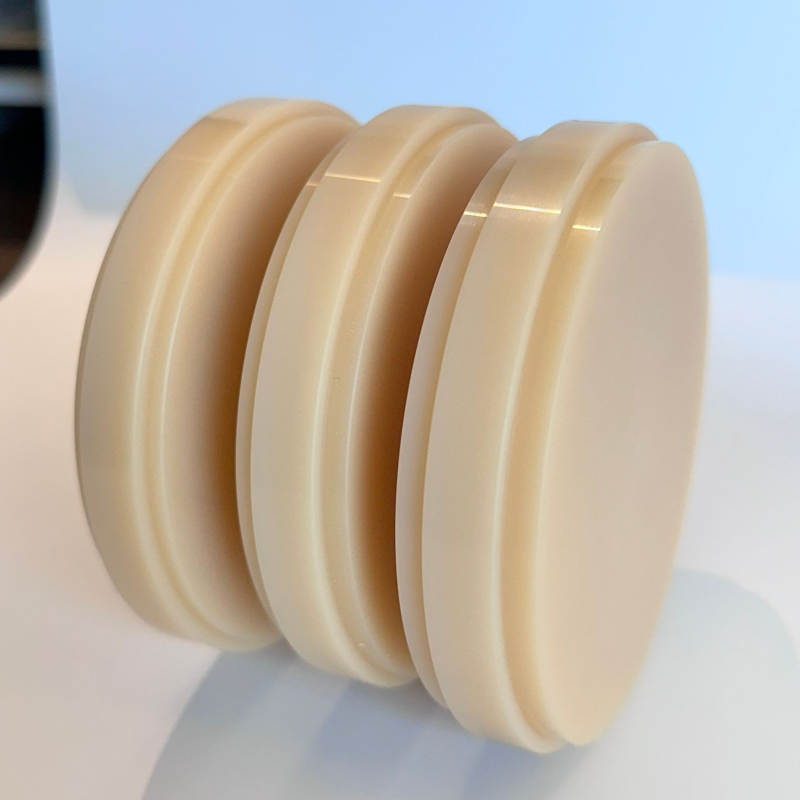
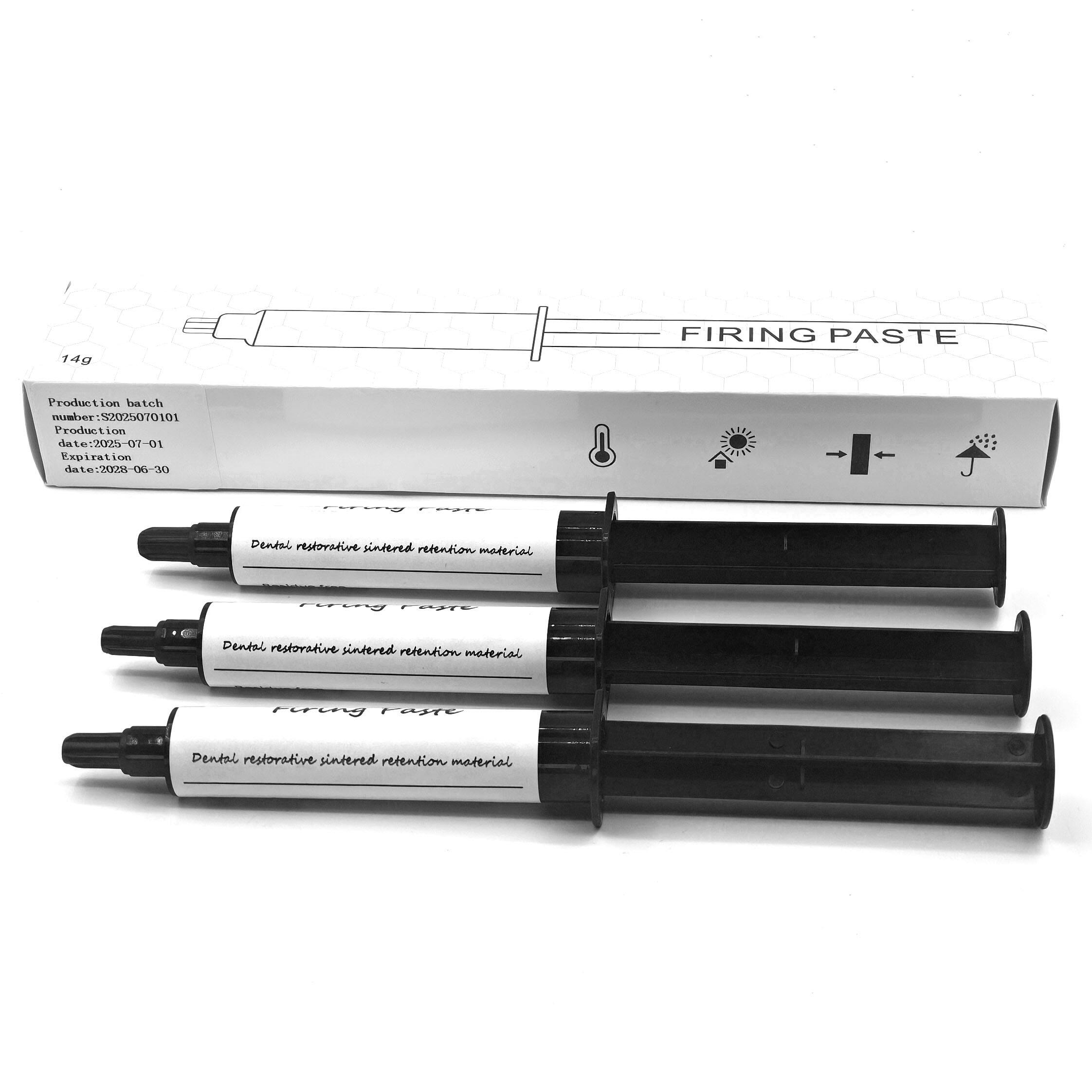
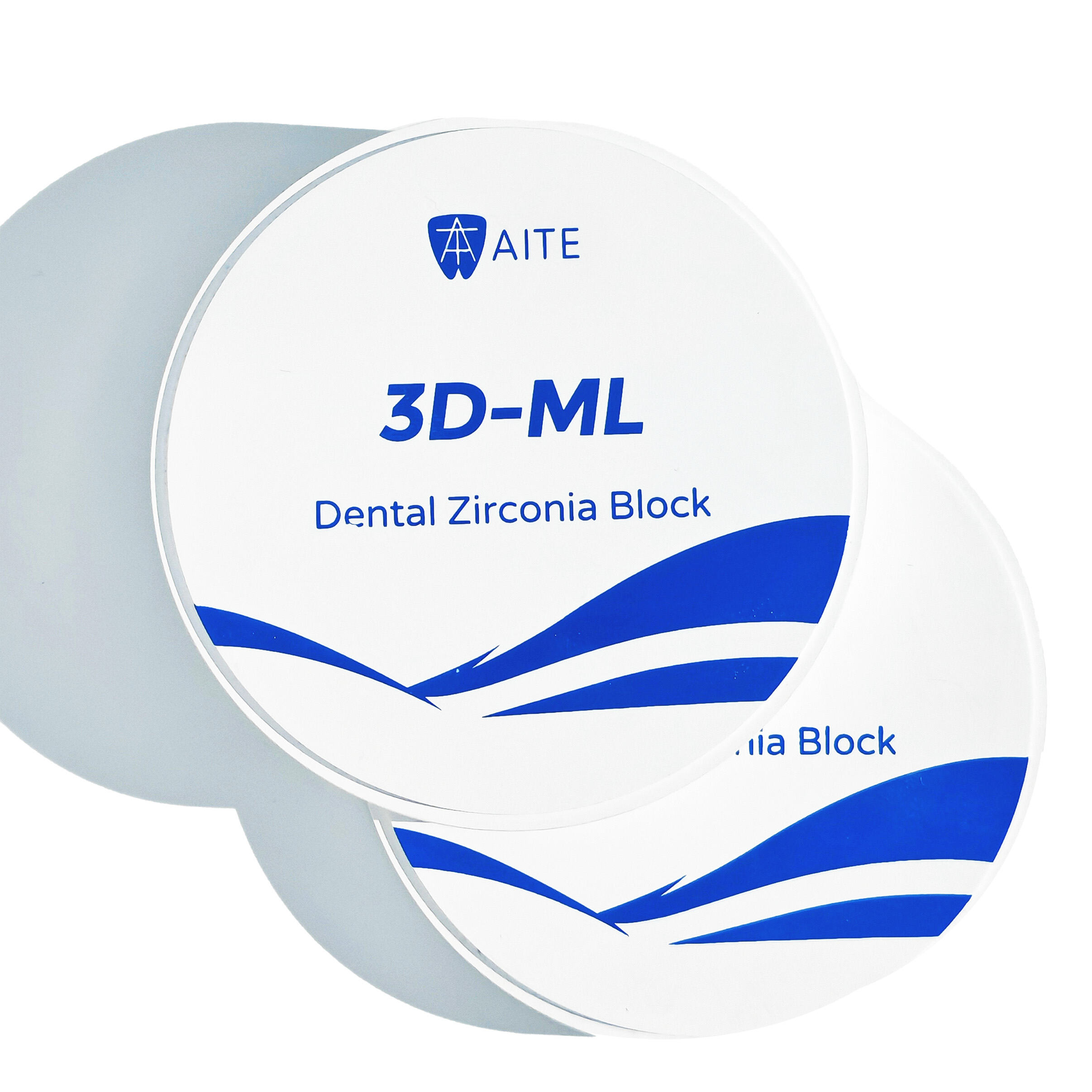
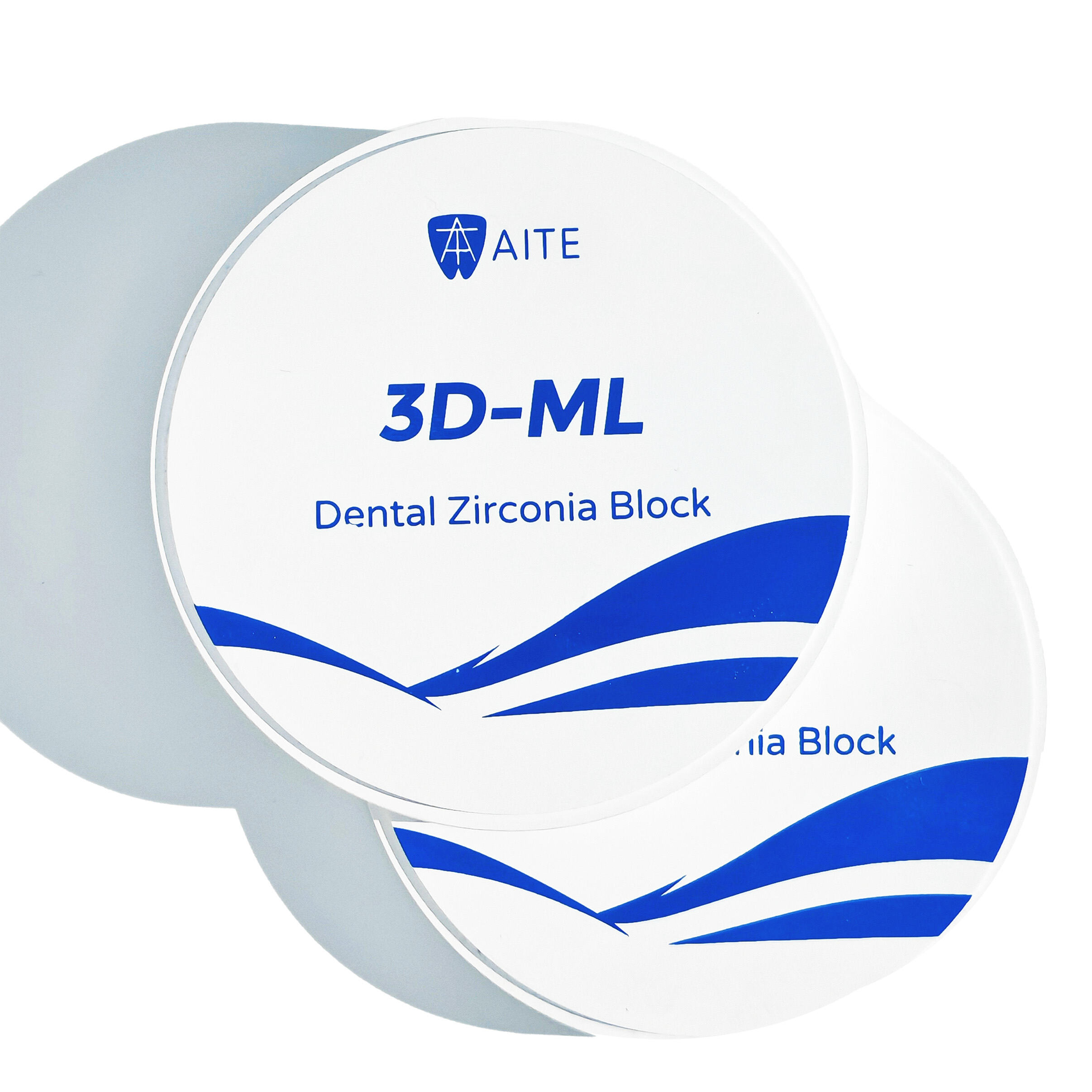
Dental lab sintering supplies represent essential equipment and materials that enable dental laboratories to transform ceramic and metal components into durable, biocompatible dental restorations. These specialized supplies encompass sintering furnaces, ceramic powders, binders, support materials, and various consumables that facilitate the high-temperature processing required for creating crowns, bridges, veneers, and implant components. The sintering process involves heating materials to temperatures below their melting point, allowing particles to bond and create dense, strong structures suitable for oral applications. Modern dental lab sintering supplies utilize advanced temperature control systems, precise heating cycles, and specialized atmospheres to ensure optimal material properties and dimensional accuracy. These systems typically operate at temperatures ranging from 1000°C to 1600°C, depending on the specific ceramic or metal alloy being processed. The technological features of contemporary dental lab sintering supplies include programmable controllers, multiple heating zones, vacuum capabilities, and inert gas environments that prevent oxidation and contamination. Many systems incorporate computer-controlled interfaces that allow technicians to select pre-programmed cycles for different materials or create custom firing schedules. The applications of dental lab sintering supplies extend across various dental restoration types, including zirconia crowns and bridges, lithium disilicate veneers, porcelain-fused-to-metal restorations, and all-ceramic implant abutments. These supplies enable laboratories to process both pressed and milled ceramic restorations, providing flexibility in production workflows. Advanced sintering supplies also support the processing of innovative materials such as translucent zirconia, high-strength ceramics, and bioactive glass ceramics. The precision and reliability of modern dental lab sintering supplies ensure consistent results, reduced remakes, and improved patient outcomes through superior restoration quality and longevity.

 EN
EN