good dental laboratory consumables
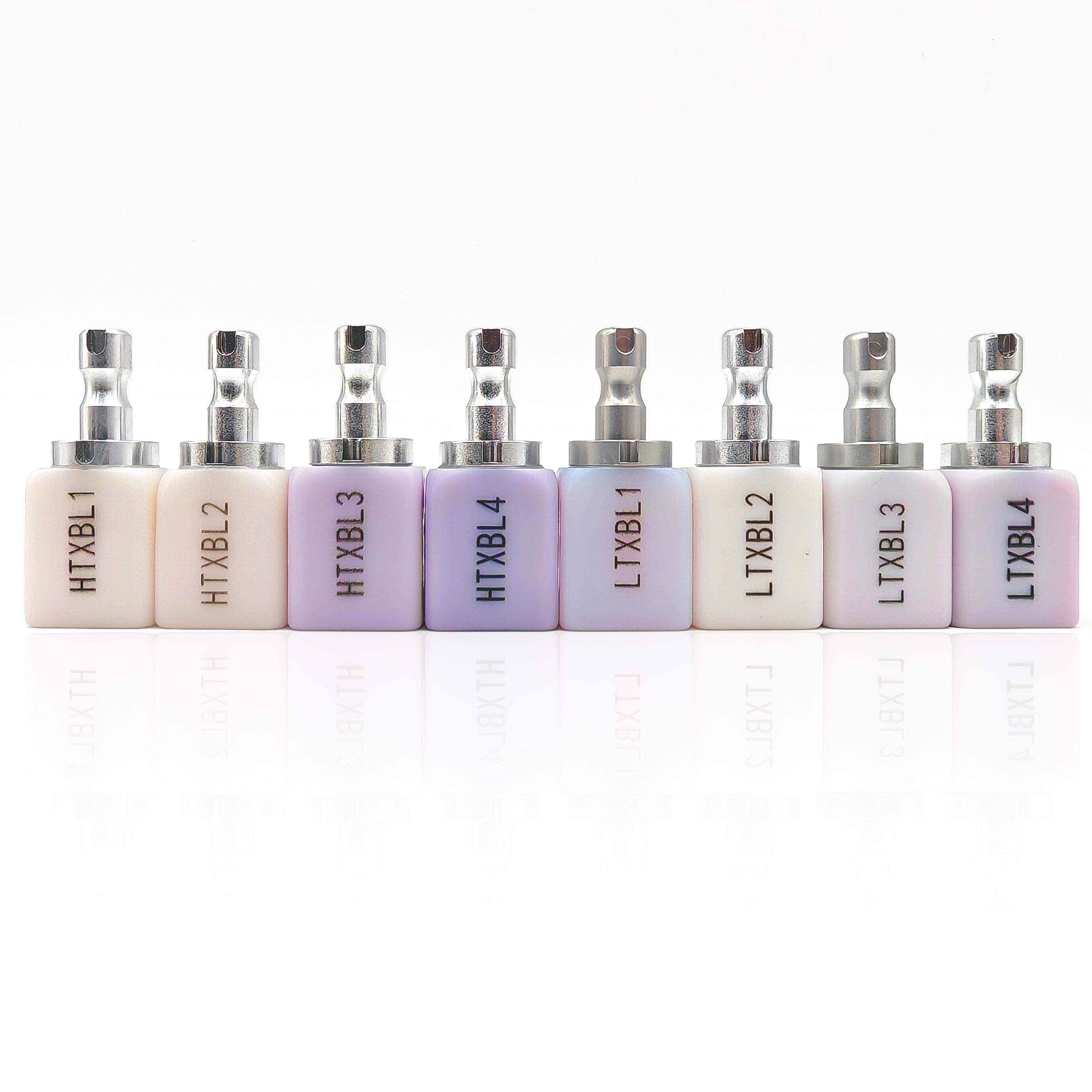
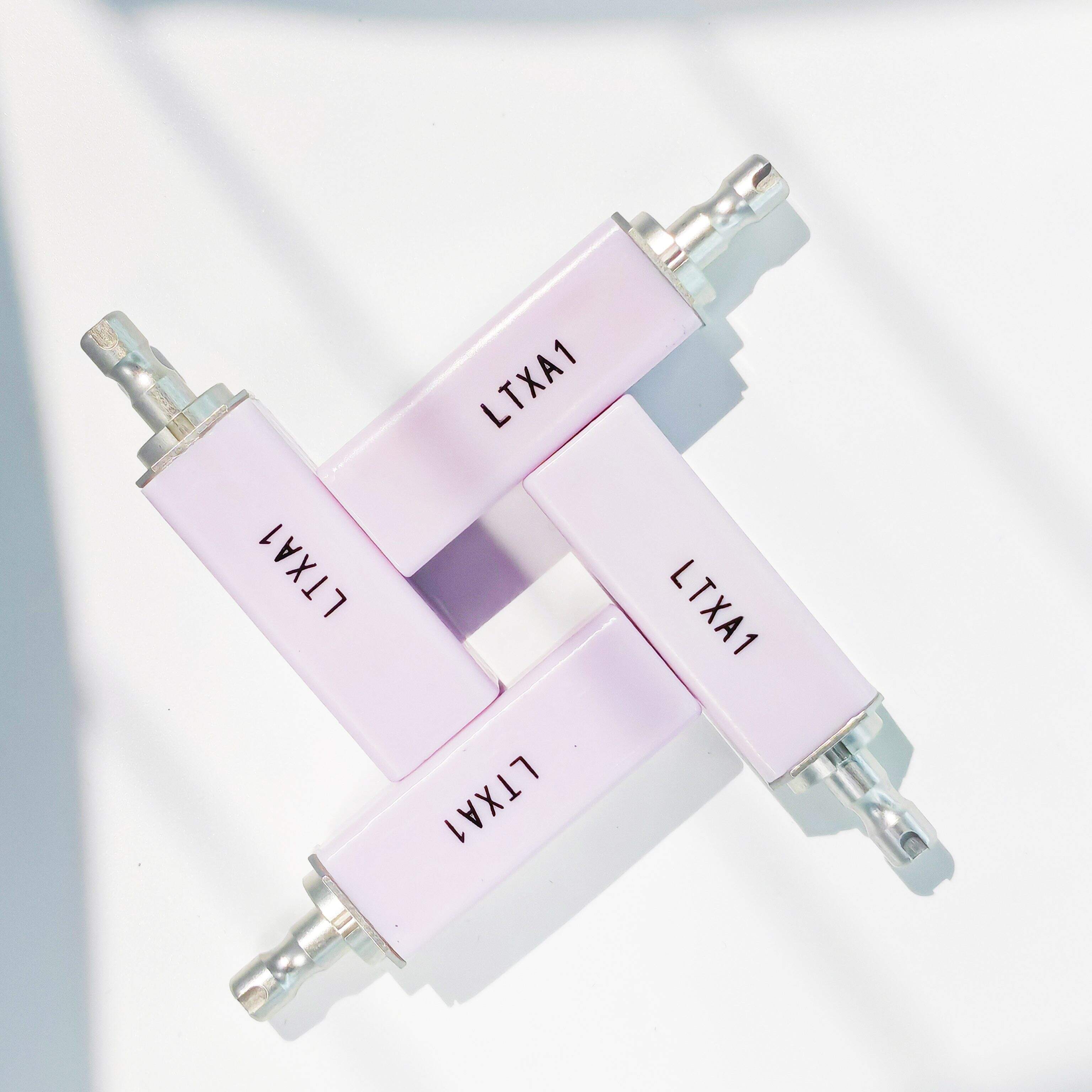
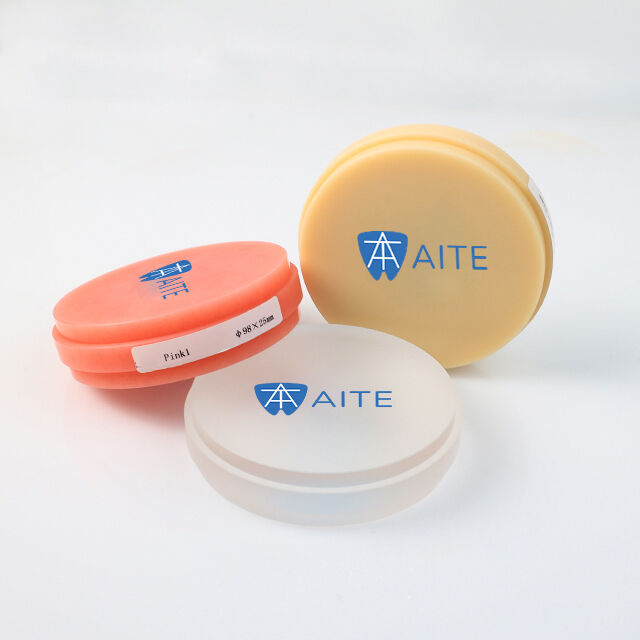
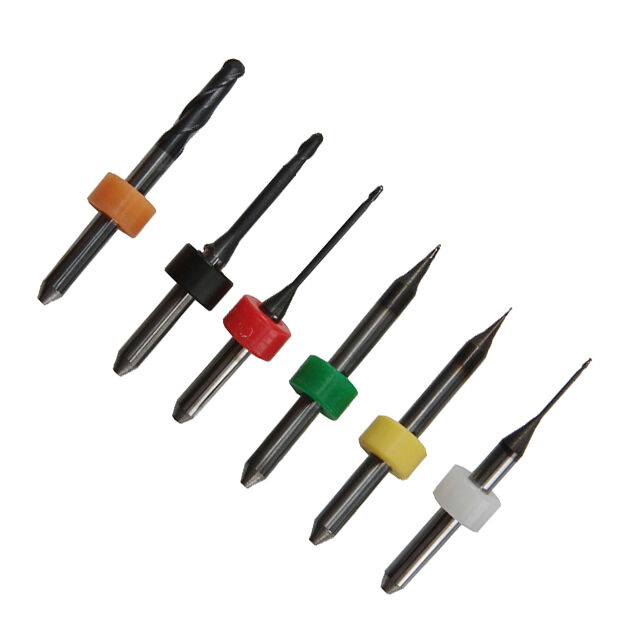
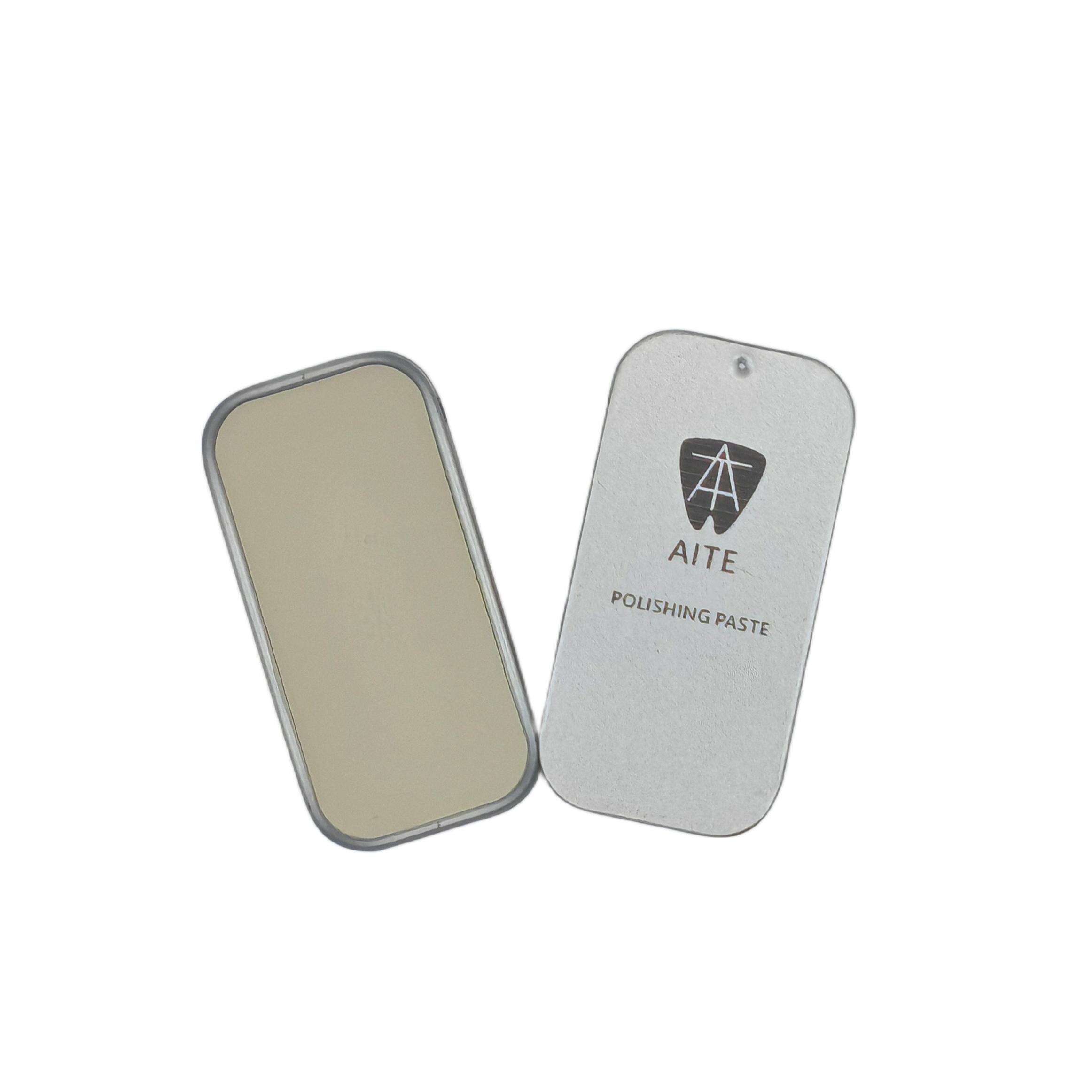
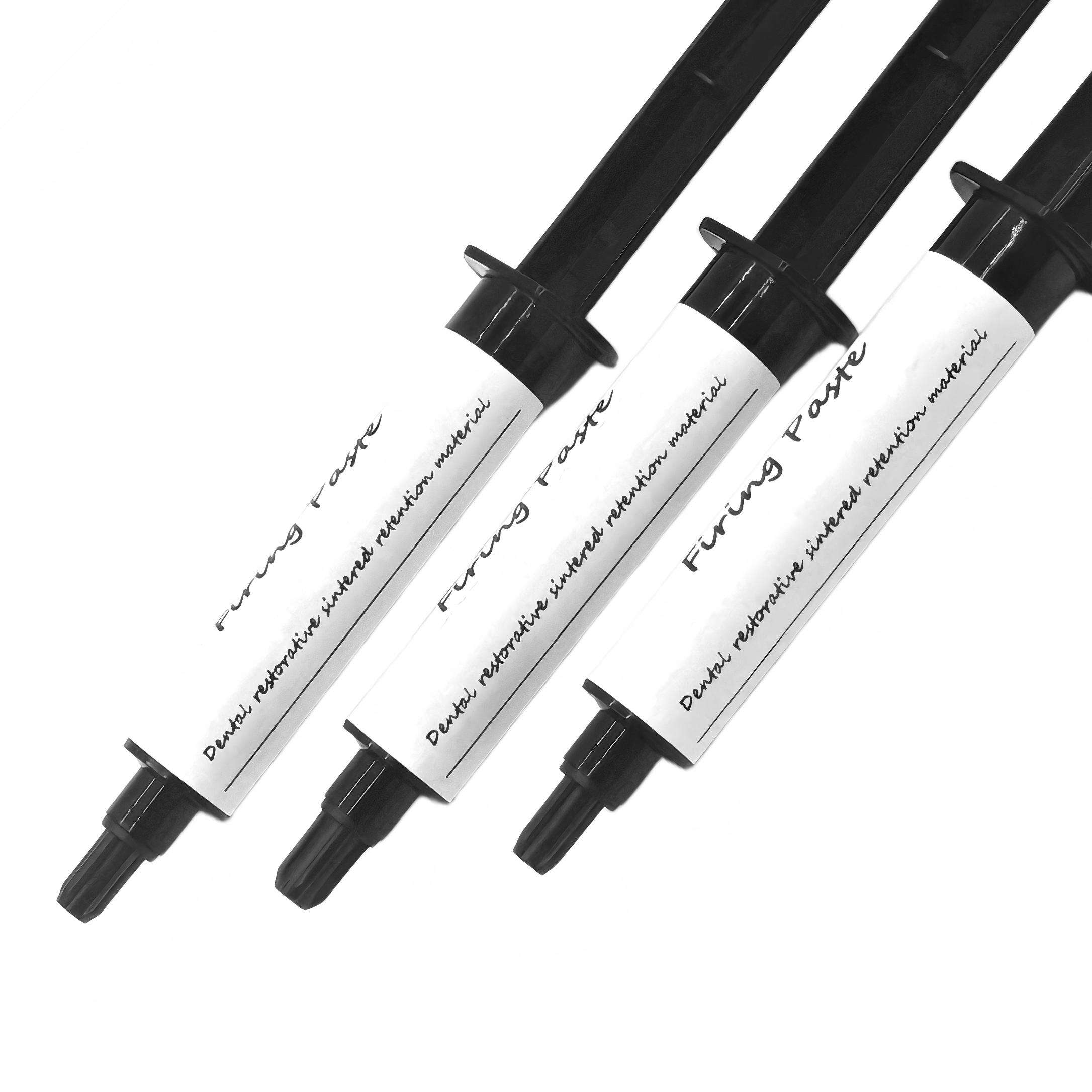
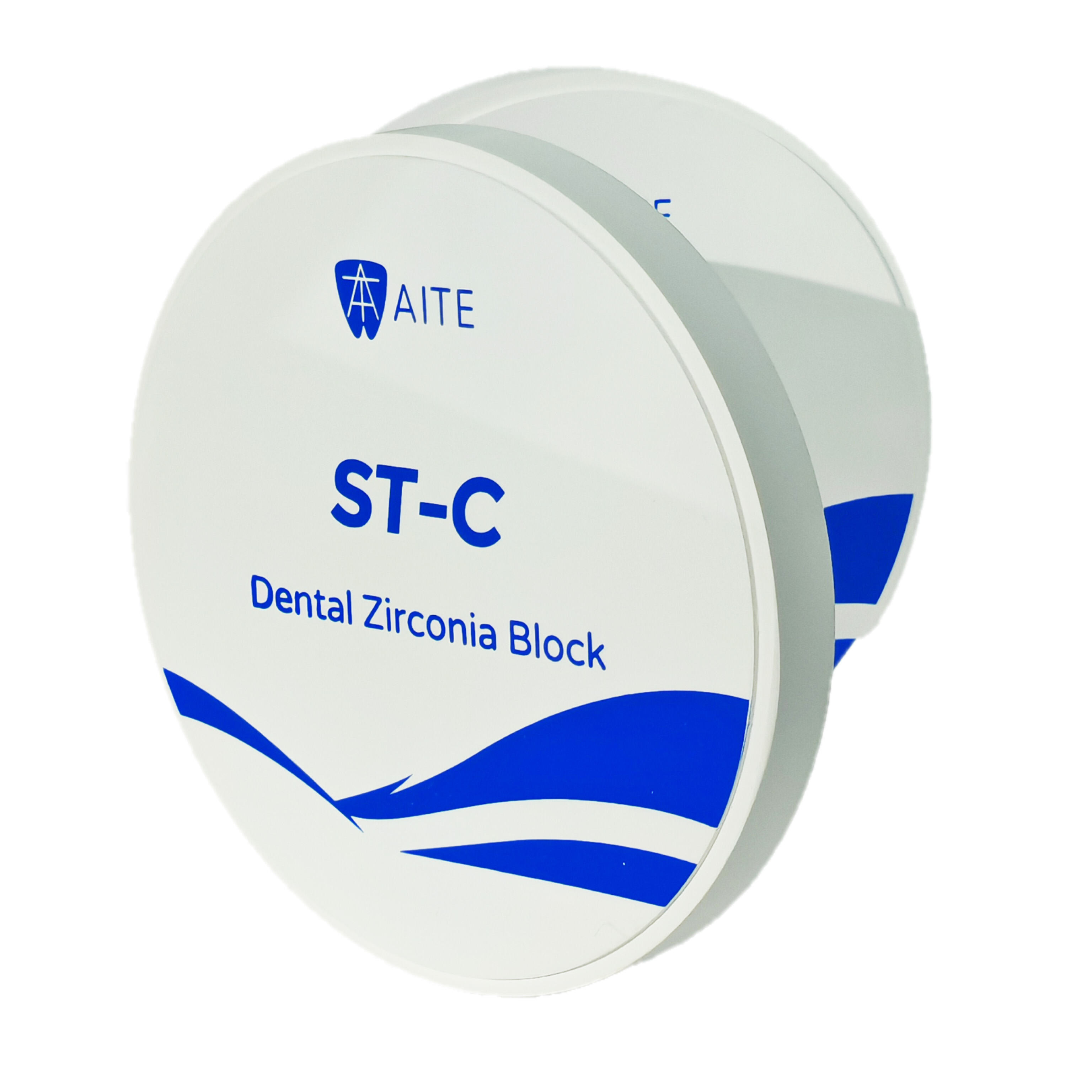
Good dental laboratory consumables represent the foundation of successful dental restorations and prosthetic manufacturing. These specialized materials encompass a comprehensive range of products including impression materials, casting alloys, ceramics, composite resins, and bonding agents that enable dental technicians to create precise, durable, and aesthetically pleasing dental appliances. The main functions of good dental laboratory consumables center on providing accurate reproduction of oral structures, ensuring biocompatibility with human tissues, and delivering long-lasting performance under the demanding conditions of the oral environment. Technological features of superior good dental laboratory consumables include advanced polymer chemistry that provides dimensional stability, enhanced flow characteristics for detailed impression capture, and optimized particle size distribution for smooth surface finishes. Modern good dental laboratory consumables incorporate nanotechnology to improve mechanical properties, featuring increased flexural strength and reduced polymerization shrinkage. These materials utilize sophisticated cross-linking mechanisms that ensure optimal curing while maintaining excellent handling properties during manipulation. The applications of good dental laboratory consumables span across various dental specialties including prosthodontics, orthodontics, and restorative dentistry. Dental laboratories rely on these consumables for fabricating crowns, bridges, dentures, implant components, and orthodontic appliances. The versatility of good dental laboratory consumables allows technicians to work with multiple restoration types while maintaining consistent quality standards. Quality good dental laboratory consumables also feature enhanced color stability, preventing discoloration over time and ensuring long-term aesthetic success. The precision engineering behind these materials enables accurate marginal adaptation, proper occlusal relationships, and seamless integration with natural tooth structure, making them indispensable tools for modern dental laboratory operations.

 EN
EN