dental lab consumables for crown and bridge
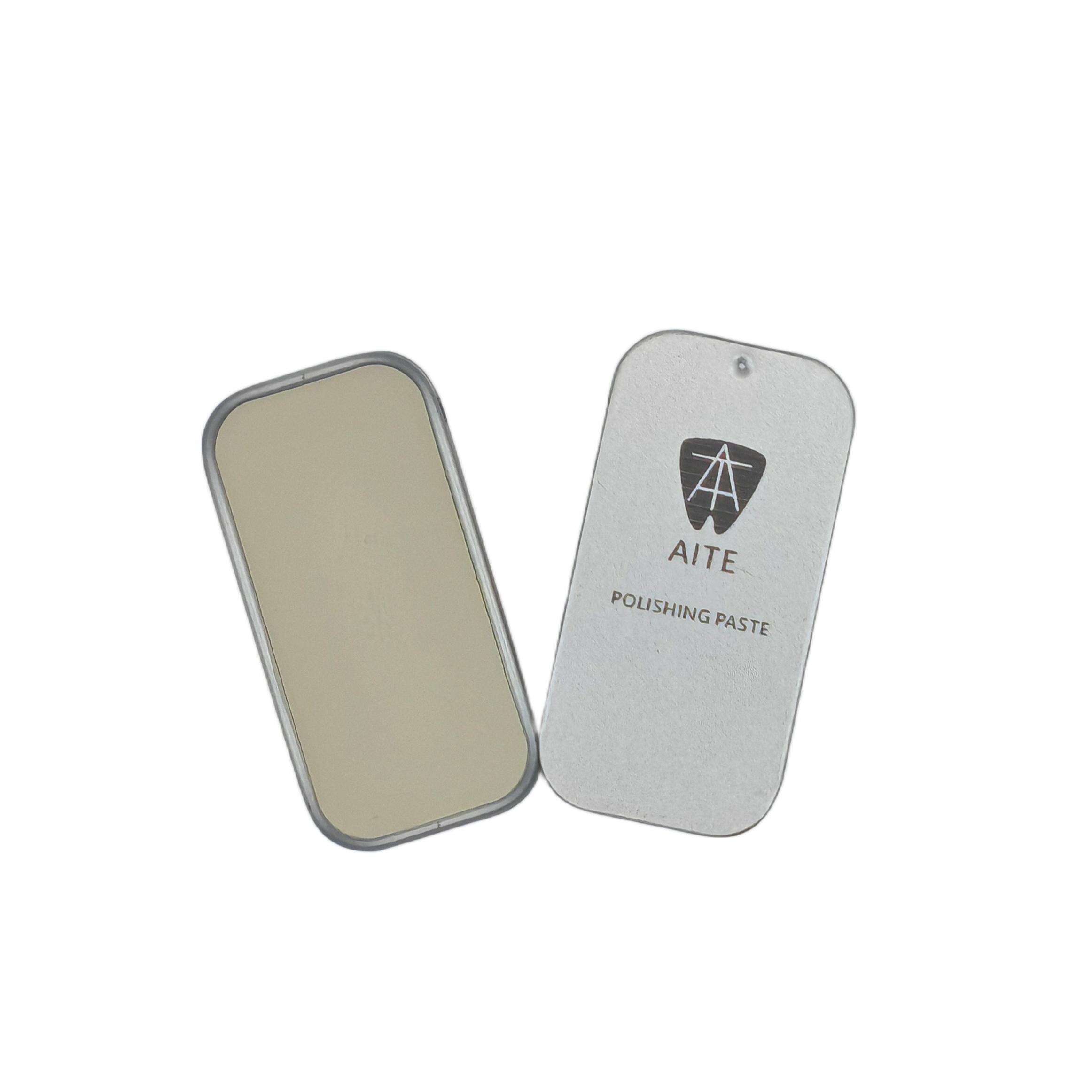
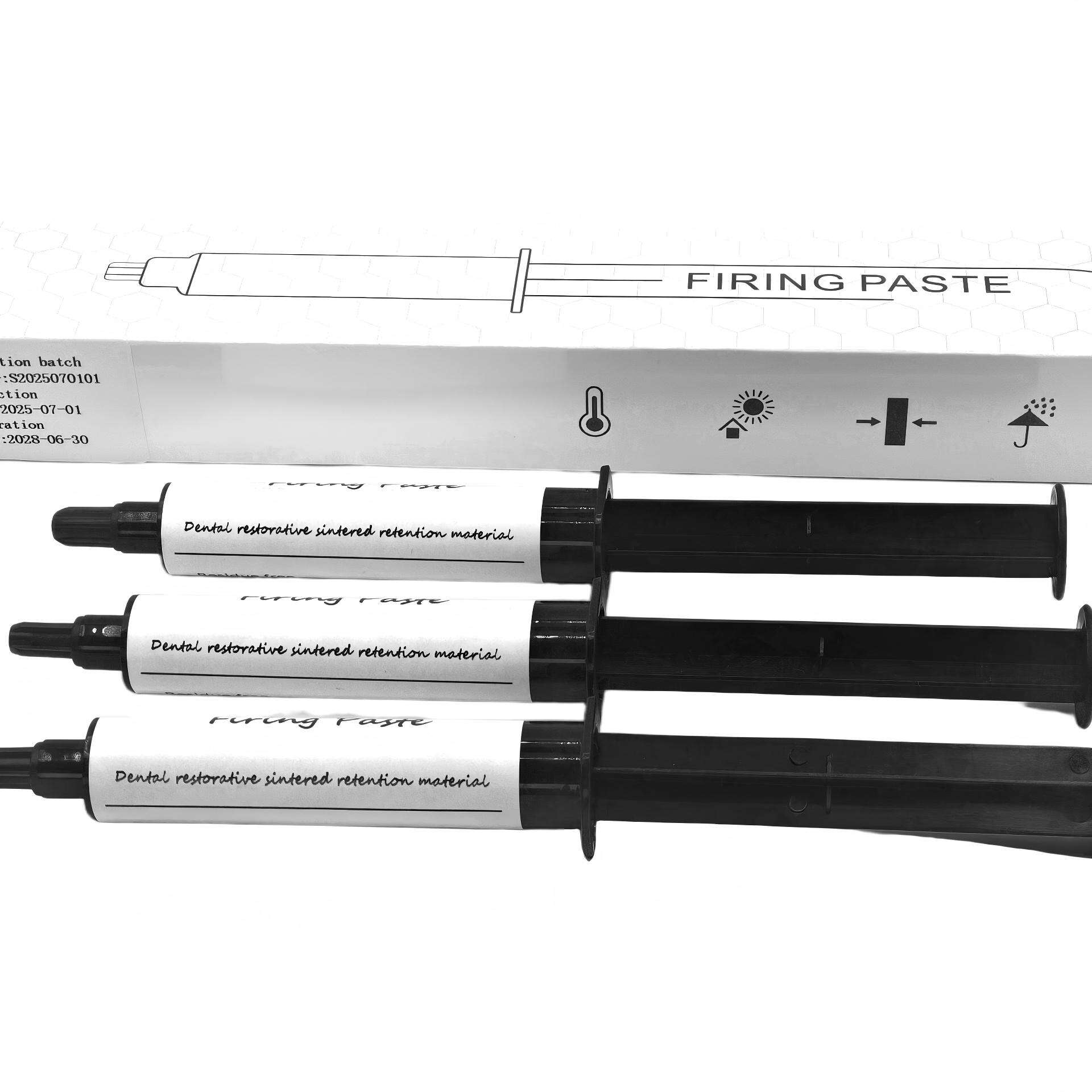
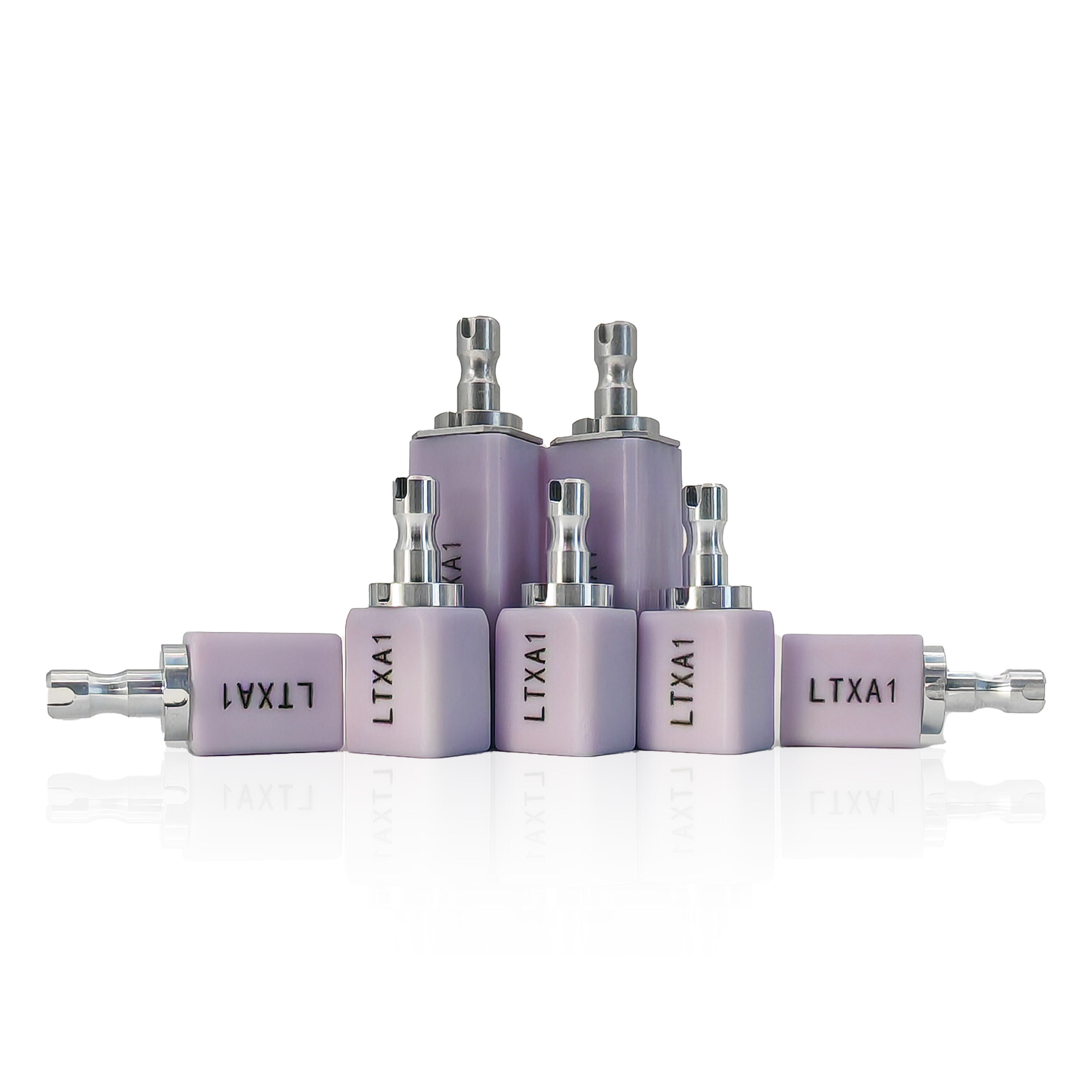
Dental lab consumables for crown and bridge represent essential materials that form the backbone of modern restorative dentistry. These specialized products encompass a comprehensive range of materials including ceramic powders, metal alloys, bonding agents, impression materials, and finishing compounds specifically designed for creating durable and aesthetically pleasing crown and bridge restorations. The main functions of these consumables center around fabricating precise dental prosthetics that restore damaged or missing teeth while maintaining optimal functionality and natural appearance. Crown and bridge consumables enable dental technicians to craft restorations that seamlessly integrate with existing dentition, providing patients with long-lasting solutions for various dental conditions. Technological features of these materials have evolved significantly, incorporating advanced ceramic formulations that offer superior strength-to-weight ratios and enhanced translucency properties. Modern dental lab consumables for crown and bridge utilize cutting-edge nanotechnology, allowing for improved particle distribution and enhanced mechanical properties. These innovations result in restorations that exhibit exceptional durability while maintaining the natural optical characteristics of tooth enamel. The applications of crown and bridge consumables extend across multiple treatment scenarios, from single tooth replacements to complex multi-unit bridge constructions. These materials accommodate various preparation designs, enabling technicians to address diverse clinical situations effectively. Whether working with traditional PFM (porcelain-fused-to-metal) restorations or contemporary all-ceramic systems, these consumables provide the necessary components for creating precise, biocompatible prosthetics. The versatility of modern dental lab consumables for crown and bridge allows for customization based on specific patient needs, including considerations for occlusal forces, aesthetic requirements, and individual anatomical variations. This adaptability ensures that each restoration can be tailored to achieve optimal clinical outcomes while meeting the highest standards of quality and performance in contemporary dental practice.

 EN
EN