dental lab firing paste
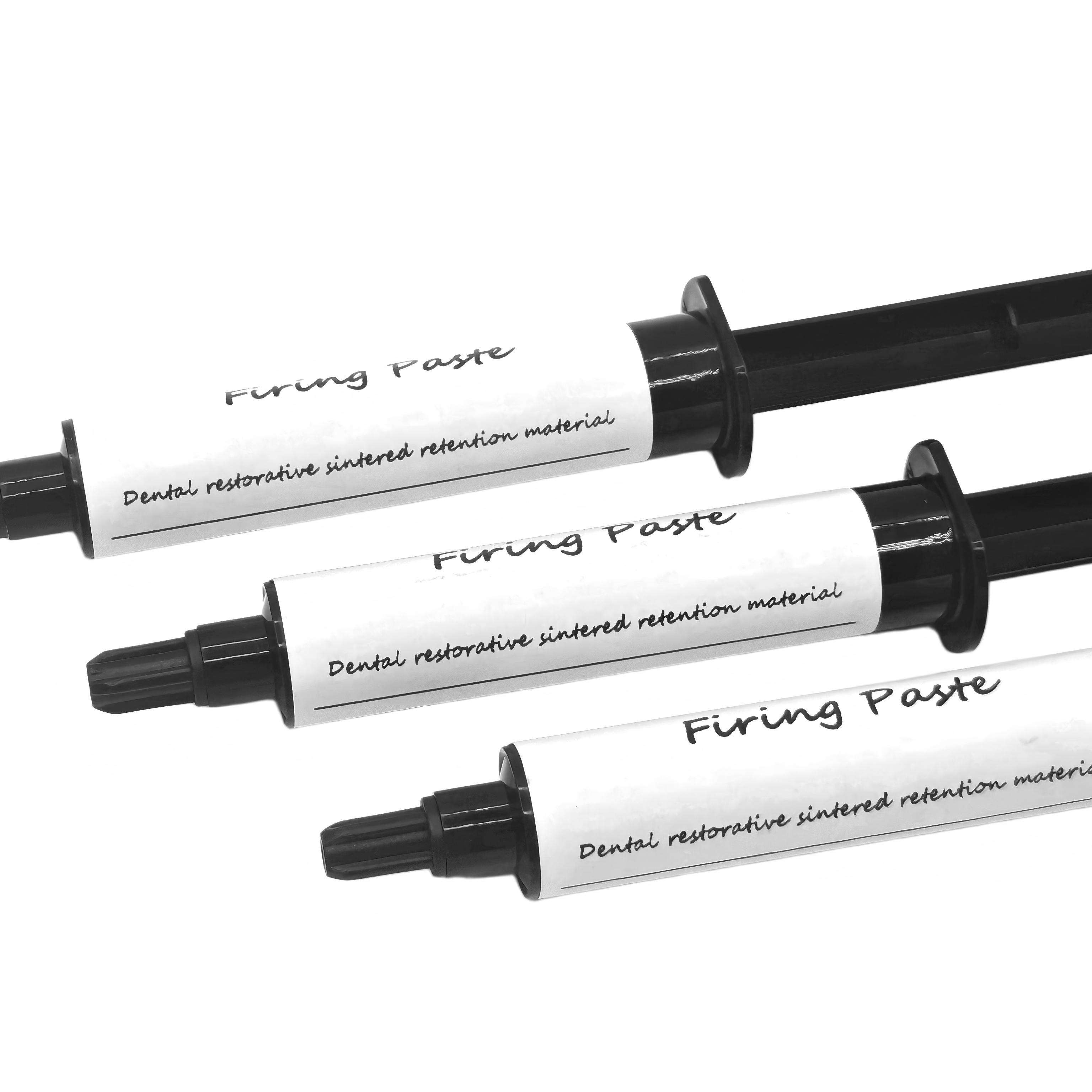
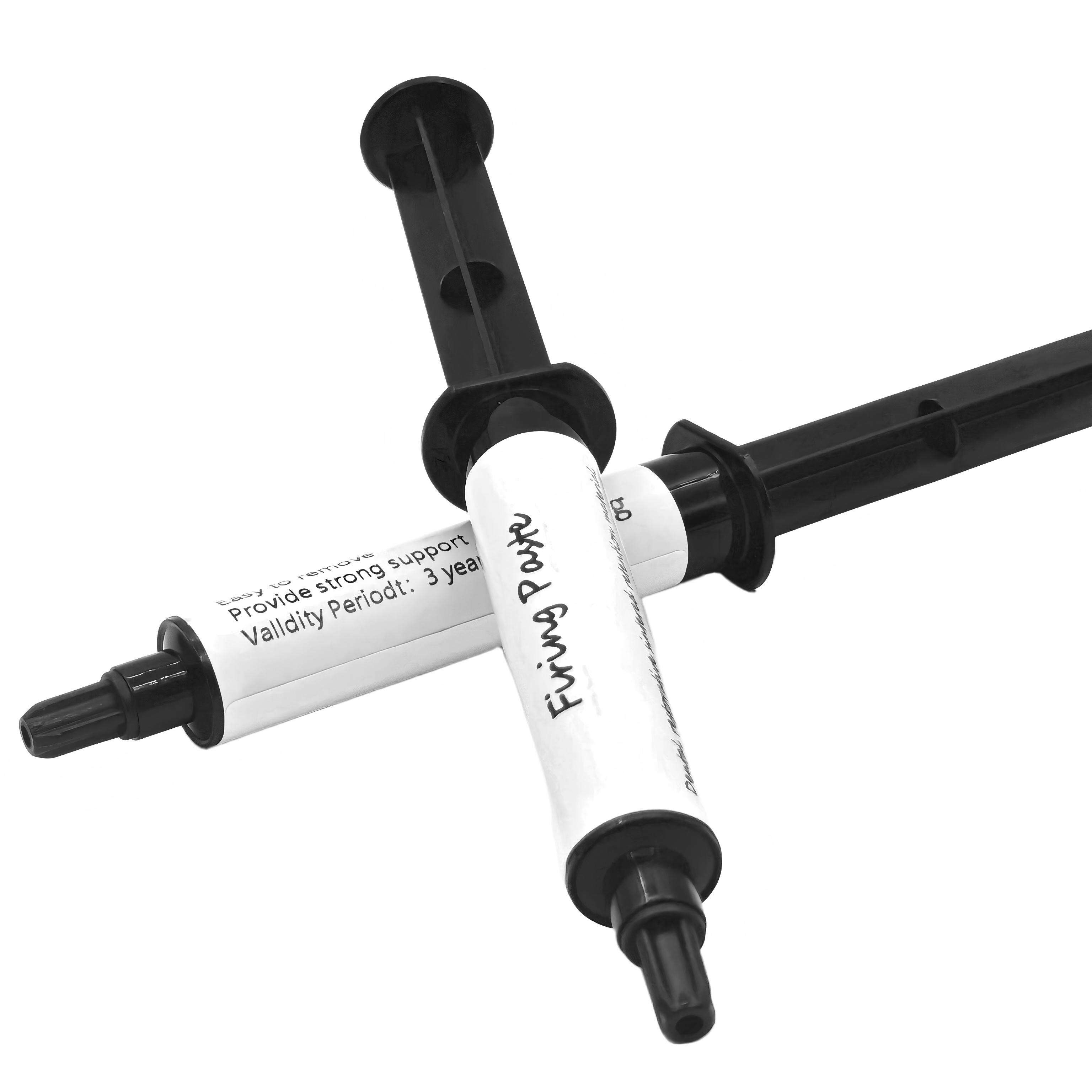
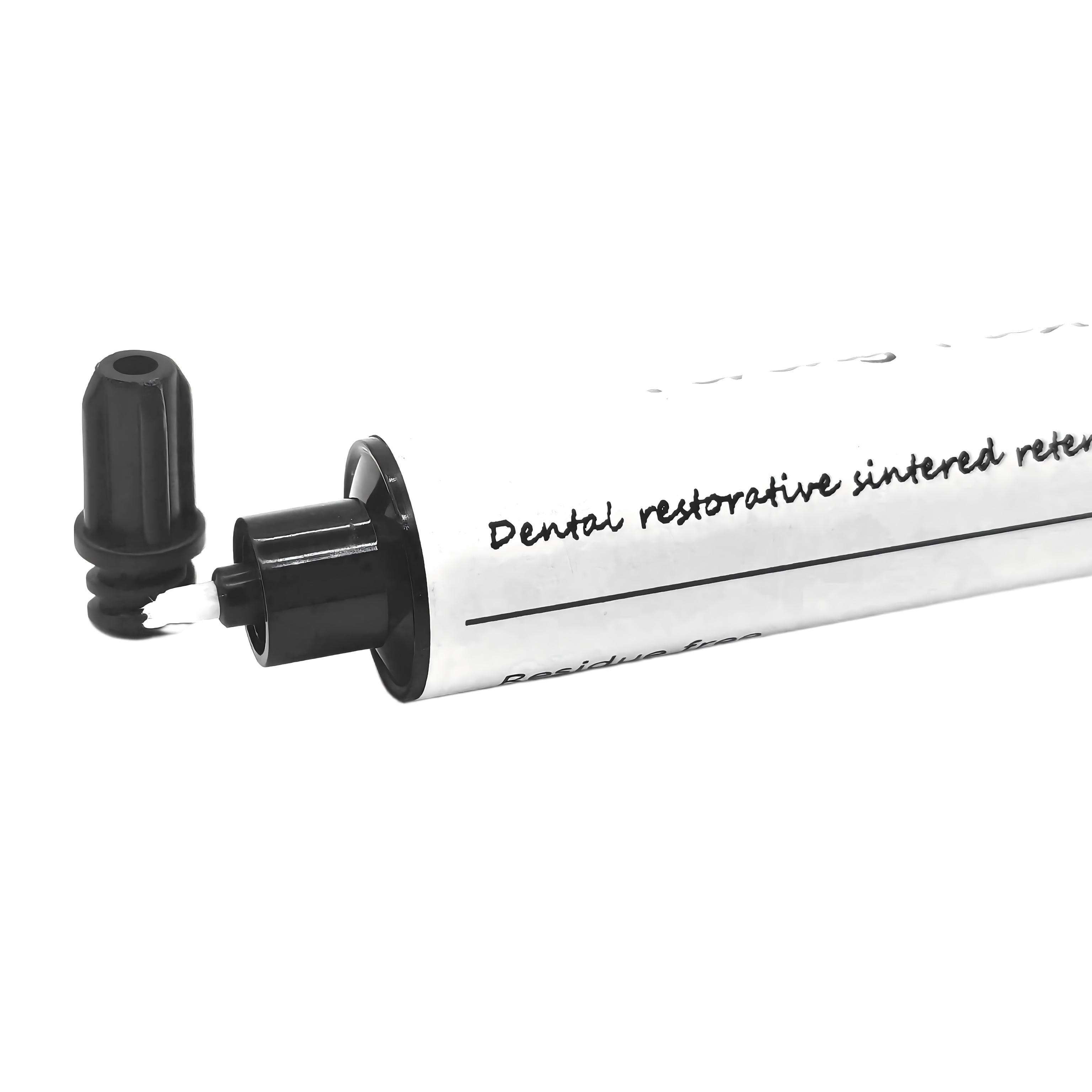
Dental lab firing paste represents a critical component in modern prosthetic dentistry, serving as an essential material for creating high-quality dental restorations. This specialized paste functions as a bonding and structural medium during the porcelain firing process, enabling dental technicians to achieve precise marginal adaptation and superior esthetic outcomes. The dental lab firing paste acts as a temporary support material that maintains the shape and position of porcelain veneers, crowns, and other ceramic restorations during high-temperature firing cycles. Its primary function involves providing dimensional stability while preventing distortion or collapse of delicate ceramic structures during the sintering process. The paste exhibits excellent thermal properties, allowing it to withstand firing temperatures ranging from 750 to 1050 degrees Celsius without compromising the integrity of the restoration. Technologically, dental lab firing paste incorporates advanced refractory materials that ensure minimal thermal expansion and contraction, reducing the risk of cracking or warping during temperature fluctuations. The formulation includes carefully selected binders and fillers that create optimal working consistency, enabling easy application and precise placement around restoration margins. Modern formulations feature improved flow characteristics that allow the paste to adapt seamlessly to complex anatomical contours while maintaining sufficient strength to support ceramic materials during firing. The paste demonstrates exceptional release properties, ensuring clean separation from fired ceramics without leaving residue or causing surface defects. Applications of dental lab firing paste extend across various restoration types, including anterior and posterior crowns, bridges, inlays, onlays, and veneers. Dental technicians utilize this material when working with different ceramic systems, from traditional feldspathic porcelains to advanced lithium disilicate and zirconia-based materials. The paste proves particularly valuable in complex multi-unit restorations where maintaining precise positioning and preventing sagging during firing becomes critical for achieving proper occlusion and contact points.

 EN
EN