best dental firing paste
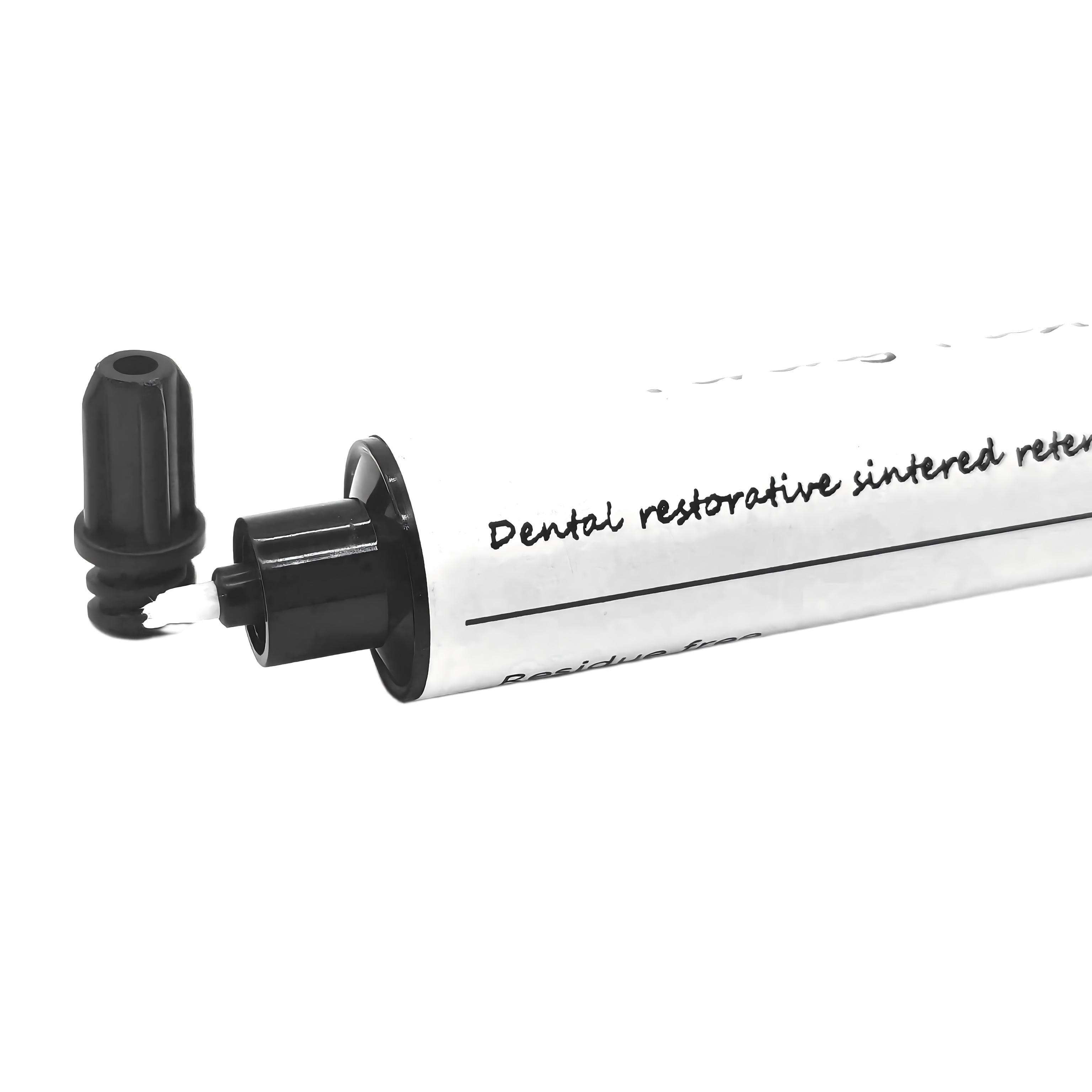
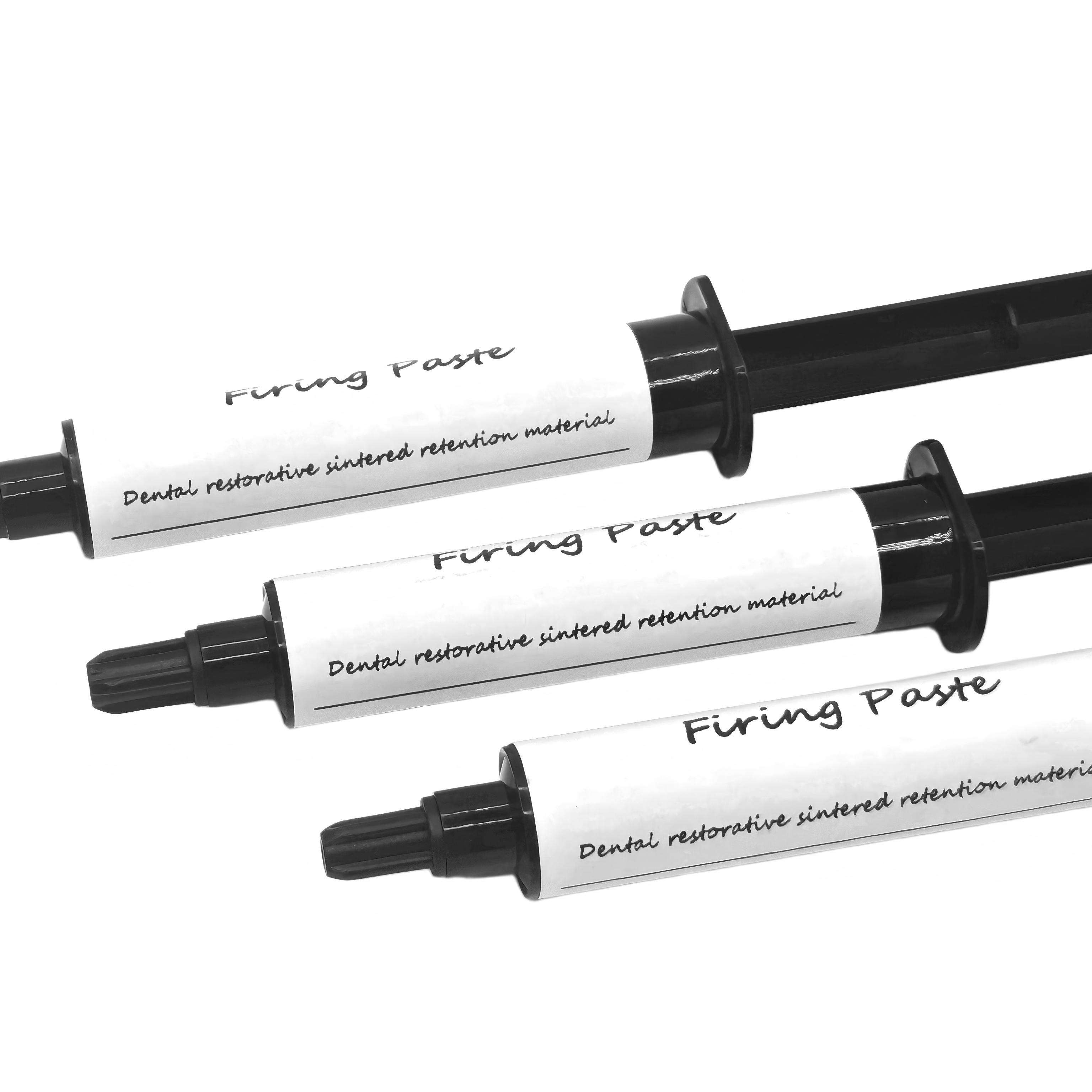
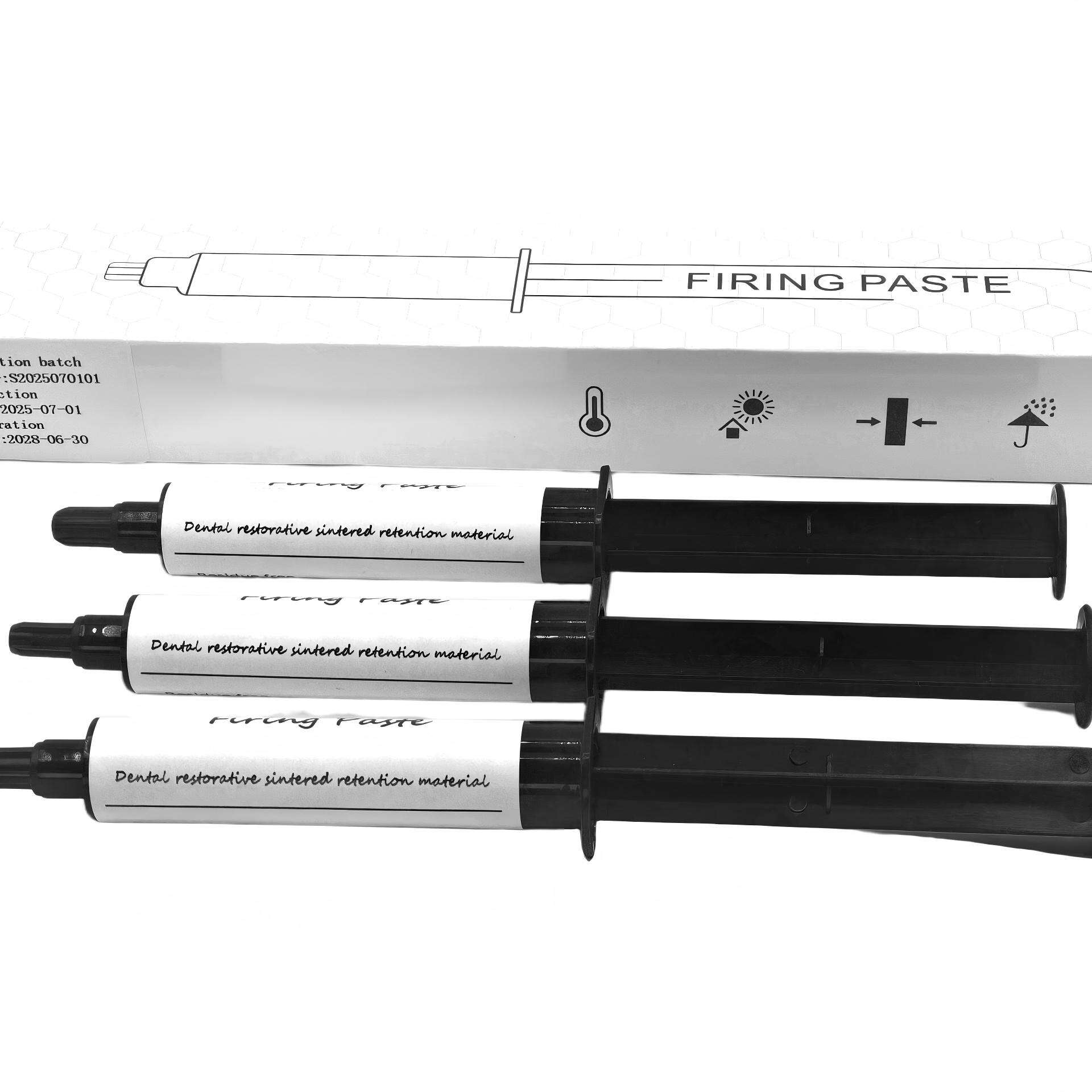
The best dental firing paste represents a revolutionary advancement in dental laboratory technology, serving as an essential component for creating high-quality dental restorations. This specialized paste functions as a crucial medium during the porcelain firing process, ensuring optimal results when fabricating crowns, bridges, veneers, and other prosthetic devices. The primary function of the best dental firing paste involves providing controlled thermal conductivity and uniform heat distribution throughout the firing chamber, which directly impacts the final quality of ceramic restorations. Modern dental firing paste formulations incorporate advanced ceramic compounds and specialized binders that maintain stability under extreme temperatures ranging from 600°C to 1000°C. The technological features of premium dental firing paste include precise particle size distribution, controlled thermal expansion coefficients, and enhanced adhesion properties that prevent warping or distortion during the firing cycle. These pastes contain carefully selected refractory materials that resist thermal shock while maintaining dimensional accuracy throughout multiple firing cycles. The best dental firing paste applications extend beyond basic firing support, encompassing complex restoration procedures such as layered porcelain build-ups, glazing processes, and corrective firing techniques. Professional dental technicians rely on high-grade firing paste to achieve consistent color matching, proper translucency, and optimal surface texture in finished restorations. The paste creates a stable foundation that allows delicate ceramic materials to cure evenly without developing stress fractures or surface irregularities. Quality firing paste formulations also incorporate anti-sticking agents that prevent ceramic materials from bonding to firing supports, ensuring easy removal after processing. Advanced versions of dental firing paste feature enhanced flowability characteristics that accommodate intricate restoration geometries while maintaining structural integrity throughout the firing process.

 EN
EN