Glass Ceramics in Dentistry: Advanced Aesthetic Dental Restorations for Superior Durability and Natural Beauty

All Categories

Get a Free Quote

Our representative will contact you soon.
Email
Name
Company Name
Message
0/1000

glass ceramics in dentistry

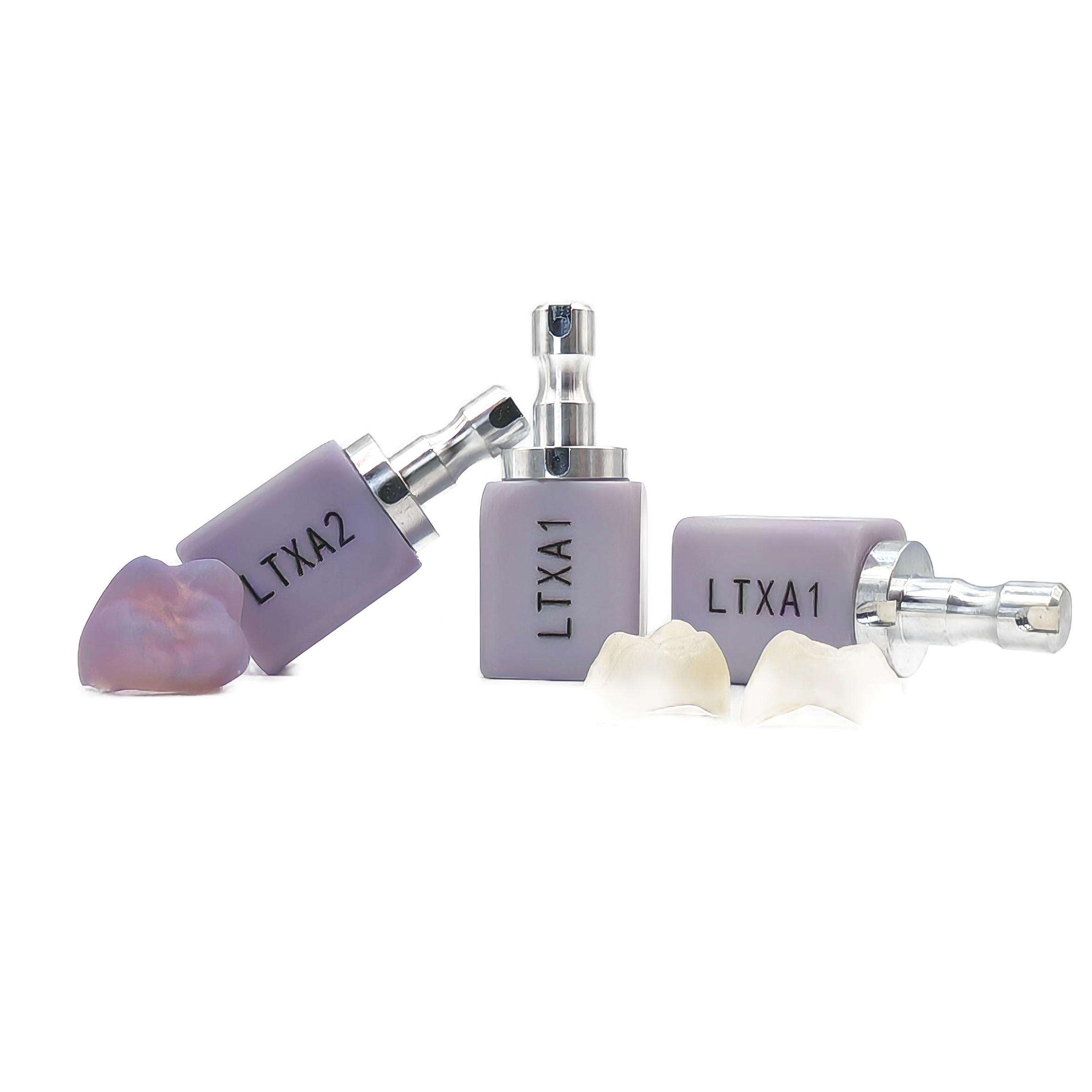
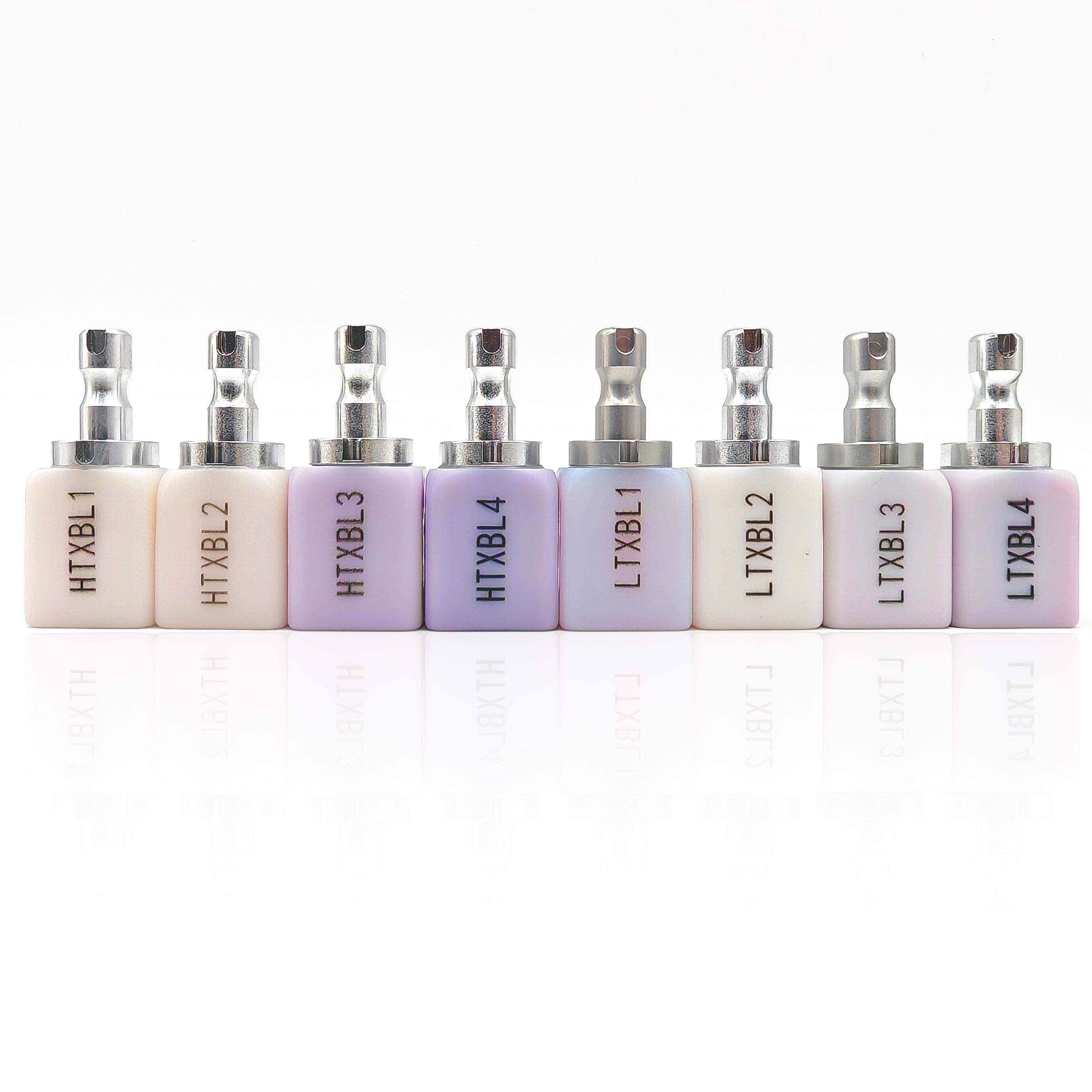
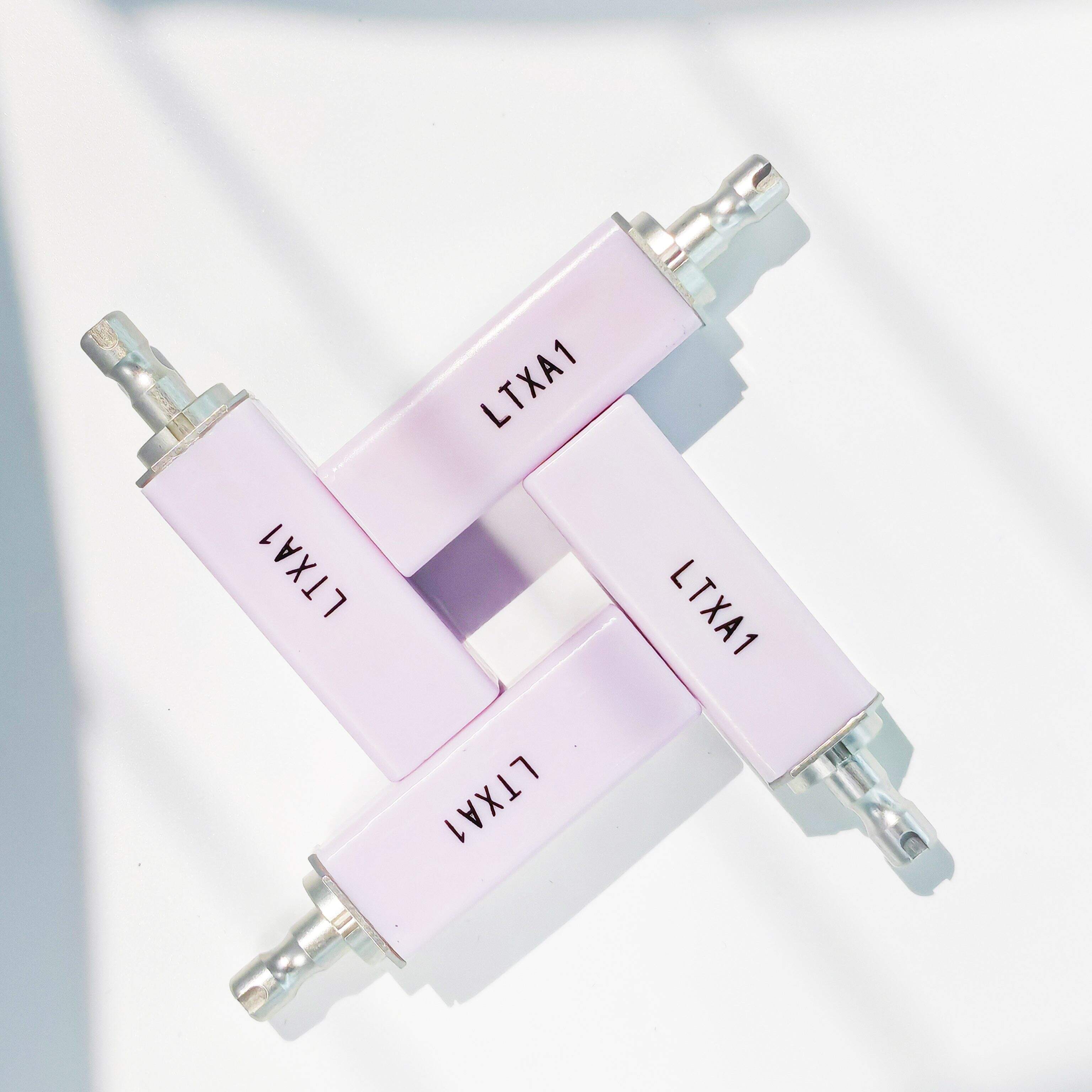
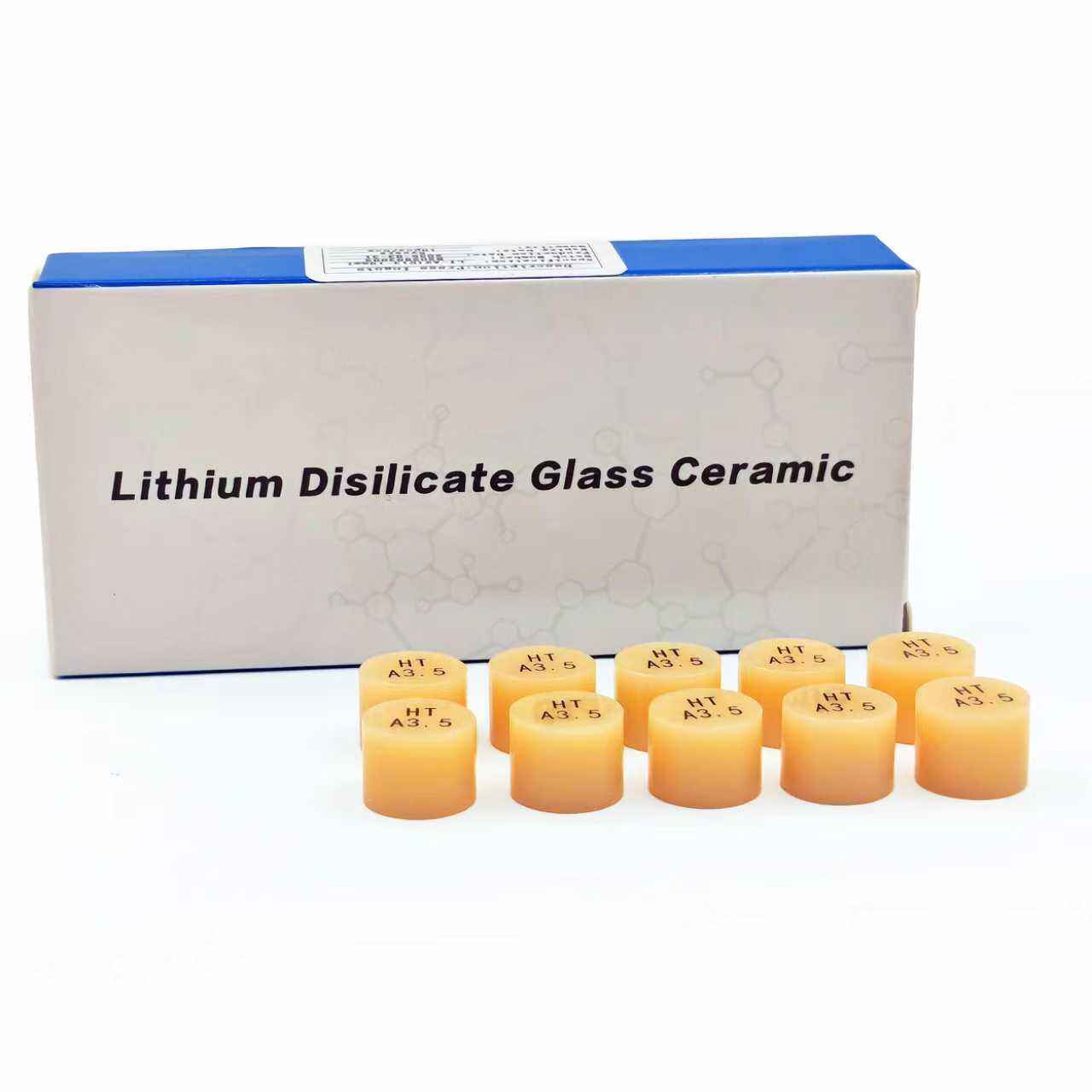
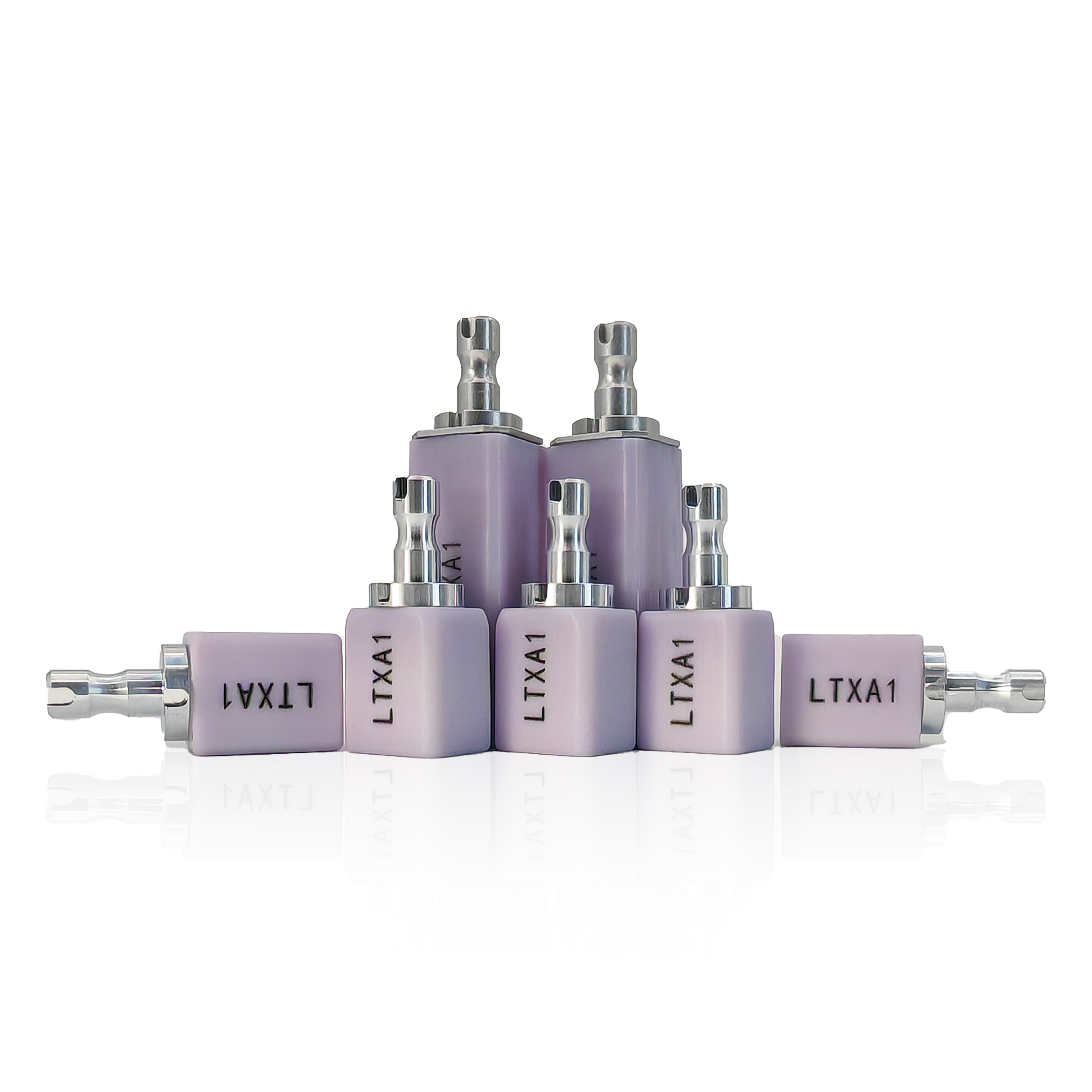
Glass ceramics in dentistry represent a revolutionary advancement in modern dental restoration technology, offering exceptional biocompatibility and aesthetic appeal for patients seeking durable tooth replacements. These innovative materials combine the strength of ceramic compounds with the translucency of natural tooth enamel, making them ideal for creating crowns, veneers, inlays, and onlays that seamlessly blend with existing teeth. The primary function of glass ceramics in dentistry involves restoring damaged or missing tooth structure while maintaining optimal oral health and natural appearance. These materials exhibit remarkable resistance to wear, staining, and chemical degradation, ensuring long-lasting performance in the challenging oral environment. The technological features of glass ceramics in dentistry include controlled crystallization processes that enhance mechanical properties while preserving optical characteristics similar to natural teeth. Manufacturing involves precise temperature control and chemical composition management to achieve desired strength levels and translucency properties. Advanced computer-aided design and manufacturing systems enable precise fabrication of custom restorations that fit perfectly within each patient's unique oral anatomy. Glass ceramics in dentistry applications extend beyond traditional crowns to include full-mouth rehabilitation cases, cosmetic smile makeovers, and complex restorative procedures requiring multiple units. The material's versatility allows dental professionals to address various clinical situations, from single tooth replacement to comprehensive aesthetic improvements. Modern glass ceramics in dentistry incorporate lithium disilicate and other advanced formulations that provide superior fracture resistance compared to conventional porcelain materials. These innovations enable thinner restoration designs that preserve more natural tooth structure during preparation procedures. The bioactive properties of certain glass ceramics in dentistry promote healthy tissue response and integration with surrounding oral structures, contributing to long-term success rates and patient satisfaction.
Popular Products

Glass ceramics in dentistry offer numerous compelling advantages that make them the preferred choice for discerning patients and dental professionals worldwide. The primary benefit lies in their exceptional aesthetic properties, which closely mimic the natural translucency and color variations found in healthy tooth enamel. This characteristic allows restorations to blend seamlessly with surrounding teeth, creating virtually undetectable repairs that enhance rather than compromise your smile. The durability of glass ceramics in dentistry surpasses traditional materials, with many restorations lasting decades when properly maintained through regular oral hygiene and professional care. Unlike metal-based alternatives, these materials resist corrosion and maintain their appearance over time, eliminating concerns about darkening gumlines or metallic tastes that some patients experience with conventional crowns. Glass ceramics in dentistry provide superior biocompatibility, reducing the risk of allergic reactions or tissue irritation that occasionally occurs with other dental materials. This compatibility promotes healthy gum tissue and supports optimal oral health outcomes for patients with sensitive systems or multiple material allergies. The strength characteristics of modern glass ceramics in dentistry enable conservative tooth preparation, preserving more natural structure compared to traditional restoration methods. This preservation approach maintains tooth vitality and reduces the likelihood of future complications requiring extensive treatment. Patients benefit from improved chewing function and confidence when eating various foods, as glass ceramics in dentistry withstand normal biting forces without chipping or cracking under typical use conditions. The stain resistance properties ensure that restorations maintain their original color despite exposure to coffee, tea, wine, and other potentially discoloring substances. Maintenance requirements remain minimal, with standard brushing and flossing sufficient to keep restorations looking their best. The thermal properties of glass ceramics in dentistry closely match natural teeth, eliminating sensitivity issues that sometimes accompany other materials. This thermal compatibility enhances patient comfort during temperature changes from hot and cold foods or beverages. Advanced manufacturing techniques ensure precise fit and optimal function, reducing adjustment appointments and improving overall treatment efficiency for busy patients seeking convenient dental care solutions.

Latest News

The establishment of the new plant

04

Feb

The establishment of the new plant

View More
Exhibition in Dubai

04

Feb

Exhibition in Dubai

View More
Brazil Exhibition

04

Feb

Brazil Exhibition

View More

Get a Free Quote

Our representative will contact you soon.
Email
Name
Company Name
Message
0/1000

glass ceramics in dentistry

Superior Aesthetic Integration with Natural Teeth

Superior Aesthetic Integration with Natural Teeth

The aesthetic superiority of glass ceramics in dentistry represents perhaps the most compelling reason patients choose this advanced material for their dental restorations. Unlike traditional materials that often appear artificial or obvious, glass ceramics in dentistry possess unique optical properties that perfectly replicate the natural translucency, depth, and subtle color variations found in healthy tooth enamel. This remarkable characteristic stems from the material's carefully controlled crystalline structure, which allows light to penetrate and reflect in patterns identical to natural teeth. The result is restorations that become virtually invisible within your smile, enhancing your overall appearance rather than drawing unwanted attention to previous dental work. Modern glass ceramics in dentistry can be precisely color-matched to surrounding teeth using advanced shade-taking techniques and digital color analysis systems. Skilled dental technicians can incorporate multiple layers and gradients that mimic the complex internal structure of natural teeth, including the darker dentin core and translucent enamel outer layer. This multilayered approach ensures that restorations appear natural under various lighting conditions, from bright office fluorescents to warm candlelit dining environments. The surface texture of glass ceramics in dentistry can be customized to match the natural wear patterns and surface characteristics of adjacent teeth, creating seamless integration that even dental professionals find difficult to detect. Patients consistently report increased confidence and satisfaction with their appearance following treatment with glass ceramics in dentistry, as the restorations enhance their natural beauty without creating an obviously artificial look. The long-term color stability of these materials means that your investment in aesthetic improvement will continue paying dividends for many years, as glass ceramics in dentistry resist staining and discoloration that can affect other restoration materials over time.
Exceptional Durability and Longevity Performance

Exceptional Durability and Longevity Performance

The durability characteristics of glass ceramics in dentistry set new standards for long-term restoration performance, offering patients exceptional value through extended service life and reliable function. Advanced manufacturing processes create materials with flexural strength values significantly higher than traditional porcelain, enabling glass ceramics in dentistry to withstand the substantial forces generated during normal chewing and grinding activities. This enhanced strength stems from controlled crystallization that creates a dense, uniform microstructure resistant to crack propagation and catastrophic failure. Clinical studies demonstrate that properly fabricated and maintained glass ceramics in dentistry routinely provide service for two decades or longer, making them a cost-effective investment for patients seeking permanent solutions to their dental needs. The fatigue resistance of these materials ensures that repeated loading cycles from daily function do not compromise structural integrity over time, unlike some alternatives that may weaken gradually through accumulated stress. Glass ceramics in dentistry exhibit superior resistance to wear from opposing teeth, maintaining proper occlusion and bite relationships throughout their service life. This wear resistance prevents the gradual changes in tooth position and function that can occur when restorations wear down faster than natural teeth. The chemical stability of glass ceramics in dentistry provides resistance to acidic conditions within the oral environment, preventing dissolution or degradation that might compromise restoration margins or create gaps where bacteria could accumulate. Temperature cycling from hot and cold foods does not create thermal stress that could lead to cracking or debonding, as the thermal expansion properties closely match those of natural tooth structure. Patients benefit from predictable long-term performance that reduces the need for replacement procedures, minimizing both cost and inconvenience associated with dental maintenance. The proven track record of glass ceramics in dentistry provides confidence for both patients and dental professionals when planning extensive restorative treatments requiring significant time and financial investment.
Optimal Biocompatibility and Tissue Health Support

Optimal Biocompatibility and Tissue Health Support

The biocompatibility advantages of glass ceramics in dentistry provide crucial health benefits that extend far beyond simple tooth restoration, supporting overall oral health and systemic wellness for patients with various medical considerations. These materials demonstrate exceptional tissue compatibility, promoting healthy gum responses and preventing the inflammatory reactions that sometimes occur with other dental materials. Glass ceramics in dentistry contain no metallic components that could trigger allergic responses in sensitive patients, making them ideal for individuals with known metal allergies or those seeking to minimize exposure to potentially reactive substances. The smooth, non-porous surface of properly finished glass ceramics in dentistry resists bacterial adhesion and plaque accumulation, supporting improved oral hygiene maintenance and reducing the risk of secondary decay or gum disease around restoration margins. This characteristic proves particularly valuable for patients with compromised immune systems or those taking medications that increase susceptibility to oral infections. The chemical inertness of glass ceramics in dentistry ensures that no toxic substances leach into oral tissues or saliva, providing peace of mind for health-conscious patients concerned about systemic exposure to dental materials. Clinical research demonstrates that tissues surrounding glass ceramics in dentistry maintain healthy appearance and function over extended periods, with minimal signs of irritation or inflammation even in patients with sensitive oral environments. The radiopaque properties of these materials allow for easy monitoring through routine dental radiographs, enabling early detection of any changes or complications without requiring special imaging techniques. Glass ceramics in dentistry support natural tissue healing processes following placement, with studies showing faster recovery times and reduced post-operative discomfort compared to some alternative materials. The stable interface between restoration and tooth structure prevents microleakage that could allow bacterial infiltration and subsequent complications. Patients with autoimmune conditions or those undergoing medical treatments that affect healing find glass ceramics in dentistry particularly beneficial due to their neutral biological response and support for natural tissue function.

Get a Free Quote

Our representative will contact you soon.
Email
Name
Company Name
Message
0/1000