Professional Milling Burs - High-Performance Cutting Tools for Precision Manufacturing

All Categories

Get a Free Quote

Our representative will contact you soon.
Email
Name
Company Name
Message
0/1000

milling burs

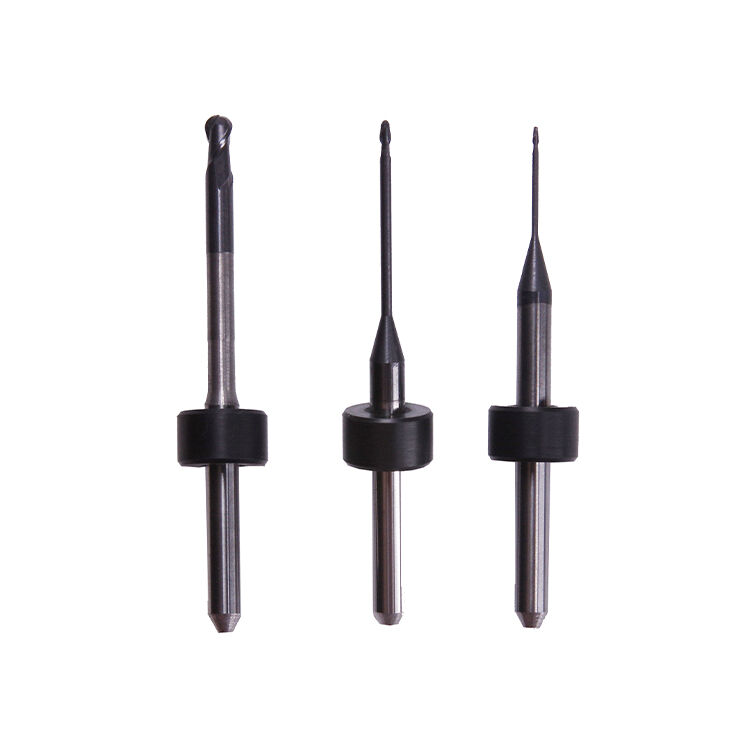
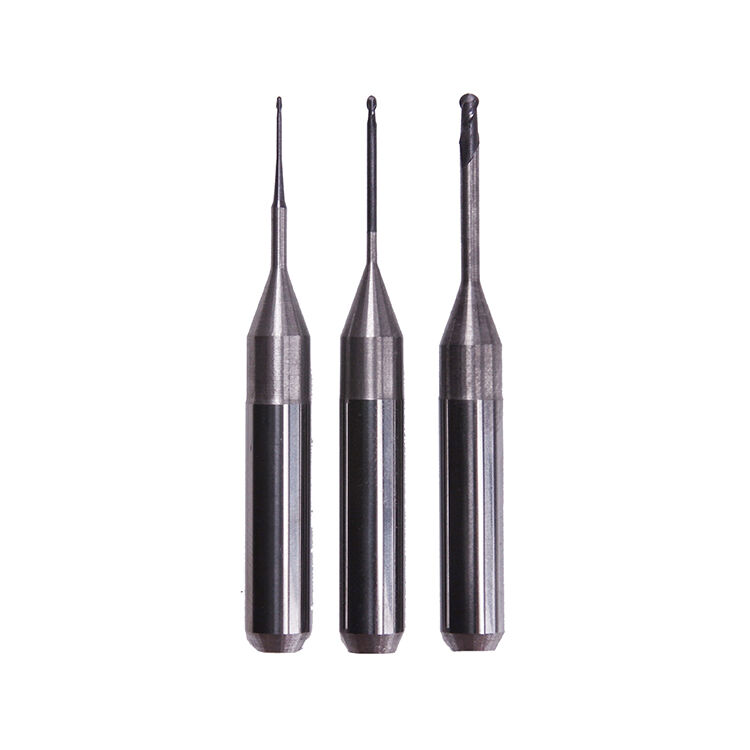
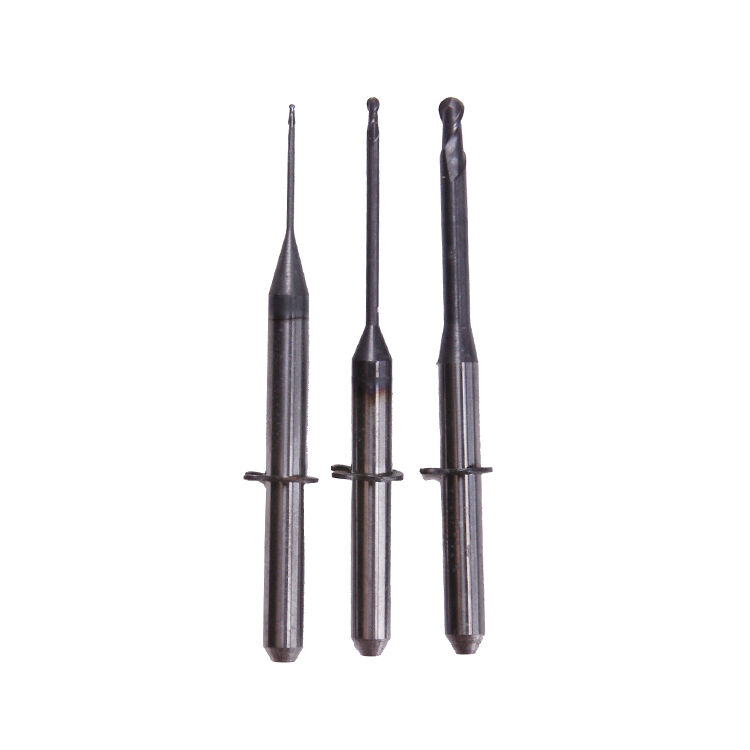
Milling burs represent essential cutting tools specifically designed for precise material removal in various manufacturing and machining applications. These cylindrical or shaped cutting instruments feature multiple sharp edges that rotate at high speeds to remove material from workpieces with exceptional accuracy. The primary function of milling burs involves creating complex shapes, slots, grooves, and contours in metals, plastics, composites, and other materials through controlled cutting operations. Modern milling burs incorporate advanced metallurgy and coating technologies that significantly enhance their performance characteristics. The cutting edges are precisely ground to specific geometries that optimize chip formation and evacuation while minimizing heat generation during operation. High-speed steel, carbide, and ceramic materials form the foundation of contemporary milling burs, with each material offering distinct advantages for specific applications. Carbide milling burs provide superior hardness and wear resistance, making them ideal for high-production environments and difficult-to-machine materials. Coating technologies such as titanium nitride, aluminum oxide, and diamond-like carbon further extend tool life and improve surface finishes. The technological features of milling burs include variable helix angles, unequal spacing between cutting edges, and specialized chip breaker designs that enhance cutting performance. These tools find extensive applications across automotive manufacturing, aerospace component production, medical device fabrication, and general machining operations. Precision milling burs enable manufacturers to achieve tight tolerances while maintaining consistent surface quality across production runs. The versatility of milling burs allows operators to perform multiple machining operations including face milling, end milling, slot cutting, and profile machining using a single tool setup, thereby reducing production time and improving efficiency.
New Product Releases

Milling burs deliver substantial cost savings through their extended tool life and reduced replacement frequency compared to conventional cutting tools. Users experience significant productivity gains as these tools maintain sharp cutting edges longer, resulting in consistent machining performance throughout extended production runs. The superior material removal rates achieved with milling burs enable manufacturers to complete projects faster while maintaining precise dimensional accuracy. Heat resistance properties of modern milling burs prevent thermal damage to both the tool and workpiece, ensuring reliable operation even under demanding cutting conditions. This thermal stability translates directly into improved surface finishes and reduced post-processing requirements. Operators benefit from the versatility of milling burs, as single tools can perform multiple machining operations, eliminating the need for frequent tool changes and reducing setup times. The precision engineering of milling burs ensures consistent results across different materials, from soft aluminum alloys to hardened steel components. Users appreciate the reduced vibration and chatter that quality milling burs provide, leading to smoother operation and better dimensional control. The advanced coating systems protect against wear and chemical reactions, maintaining cutting edge sharpness even when machining abrasive or corrosive materials. Manufacturers save money on inventory costs since fewer tool varieties are needed to handle diverse machining requirements. The improved chip evacuation characteristics of modern milling burs prevent chip buildup and reduce the risk of tool breakage or workpiece damage. Quality milling burs maintain their geometric accuracy throughout their service life, ensuring that finished parts meet strict tolerance requirements consistently. The reduced cutting forces required by efficient milling burs minimize machine tool wear and extend equipment service intervals. Users also benefit from improved workplace safety as these tools operate with greater stability and predictability, reducing the likelihood of tool failure or unexpected breakage during operation.

Latest News

The establishment of the new plant

04

Feb

The establishment of the new plant

View More
Exhibition in Dubai

04

Feb

Exhibition in Dubai

View More
Brazil Exhibition

04

Feb

Brazil Exhibition

View More

Get a Free Quote

Our representative will contact you soon.
Email
Name
Company Name
Message
0/1000

milling burs

Advanced Coating Technology for Extended Tool Life

Advanced Coating Technology for Extended Tool Life

The revolutionary coating systems applied to premium milling burs represent a breakthrough in cutting tool technology that delivers exceptional value to manufacturing operations. These sophisticated surface treatments create protective barriers that dramatically extend tool life while maintaining cutting precision throughout extended use periods. Titanium aluminum nitride coatings provide outstanding thermal stability, allowing milling burs to operate at higher cutting speeds without losing their edge quality. The molecular structure of these coatings creates an extremely hard surface layer that resists abrasive wear while maintaining the toughness of the underlying substrate material. Diamond-like carbon coatings offer superior performance when machining non-ferrous materials and composites, providing a slick surface that reduces friction and prevents material buildup on cutting edges. Multi-layer coating systems combine different materials to optimize performance across various machining conditions, with each layer contributing specific properties such as heat resistance, chemical stability, or wear protection. The application process for these coatings involves precise control of temperature, pressure, and deposition rates to ensure uniform coverage and optimal adhesion to the tool substrate. Quality control measures include microscopic examination and hardness testing to verify coating integrity and performance characteristics. Users benefit from reduced tool replacement costs as coated milling burs maintain their cutting effectiveness significantly longer than uncoated alternatives. The improved performance consistency means that manufacturers can maintain tighter tolerances throughout production runs without compensating for gradual tool wear. Advanced coating technology also enables milling burs to process materials that would quickly damage conventional tools, expanding the range of applications and materials that can be efficiently machined. The environmental benefits include reduced tool waste and lower energy consumption due to improved cutting efficiency and extended service intervals.
Precision Geometry Design for Superior Cutting Performance

Precision Geometry Design for Superior Cutting Performance

The geometric design of high-performance milling burs incorporates sophisticated engineering principles that optimize cutting efficiency while minimizing operational challenges. Variable helix angles distributed across the cutting edges create a progressive cutting action that reduces vibration and eliminates the harmonic resonance that can cause chatter and poor surface finishes. This carefully calculated geometry ensures that cutting forces are distributed evenly, preventing tool deflection and maintaining dimensional accuracy even in challenging machining conditions. Unequal spacing between cutting edges breaks up the cutting frequency pattern, further reducing vibration and enabling smoother operation at higher speeds. The rake angle optimization balances cutting efficiency with edge strength, providing aggressive material removal while maintaining tool durability under varying load conditions. Specialized chip breaker designs integrated into the cutting edge geometry control chip formation and evacuation, preventing the long stringy chips that can cause tool damage or poor surface quality. The core diameter and taper specifications are precisely controlled to provide optimal rigidity while allowing sufficient clearance for chip removal in deep cuts. Relief angles are ground with extreme precision to minimize rubbing while providing adequate support for the cutting edge under heavy cutting loads. End geometry features such as center cutting capability and corner radius specifications enable milling burs to perform plunge cuts and create smooth transitions between surfaces. The mathematical modeling used in geometry design considers material properties, cutting forces, and thermal effects to create tools that perform optimally across a wide range of operating conditions. Quality assurance processes include coordinate measuring machine verification and cutting tests to confirm that geometric specifications meet design requirements. This precision geometry design translates into tangible benefits for users, including improved surface finishes, extended tool life, higher material removal rates, and the ability to maintain tight tolerances consistently throughout production runs.
Versatile Material Compatibility and Application Range

Versatile Material Compatibility and Application Range

Modern milling burs demonstrate exceptional versatility through their ability to efficiently machine diverse materials ranging from soft plastics to exotic superalloys, making them invaluable tools for contemporary manufacturing environments. The substrate materials and coating combinations are specifically engineered to handle the unique challenges presented by different workpiece materials, ensuring optimal performance regardless of application requirements. Carbide substrates with tailored grain structures provide the hardness needed for machining hardened steels and cast irons while maintaining sufficient toughness to resist fracture under interrupted cutting conditions. High-speed steel compositions offer excellent versatility for general purpose applications, providing a balance of hardness, toughness, and cost-effectiveness that makes them ideal for job shop environments and prototype development. Specialized grades designed for aluminum machining feature sharp cutting edges and polished surfaces that prevent material welding and ensure excellent surface finishes in non-ferrous applications. Composite material machining requires milling burs with specific edge preparations that cleanly cut reinforcing fibers without causing delamination or fiber pullout that could compromise part integrity. The temperature resistance of premium milling burs enables successful machining of thermally sensitive materials without causing heat damage or dimensional distortion. Coating selections can be optimized for specific material families, with some formulations providing chemical stability when machining reactive metals while others offer enhanced lubricity for difficult-to-machine materials. The geometric features of milling burs can be customized to suit particular applications, with options including variable pitch designs for vibration reduction, high helix angles for improved surface finish, and specialized end configurations for specific cutting operations. Quality control testing includes performance validation across multiple material types to ensure consistent results regardless of application. This material versatility eliminates the need for specialized tooling inventories, reducing costs and simplifying tool management while ensuring that manufacturers can confidently tackle diverse machining challenges with reliable, proven cutting solutions that deliver consistent results across their entire range of production requirements.

Get a Free Quote

Our representative will contact you soon.
Email
Name
Company Name
Message
0/1000