Material Versatility and Compatibility
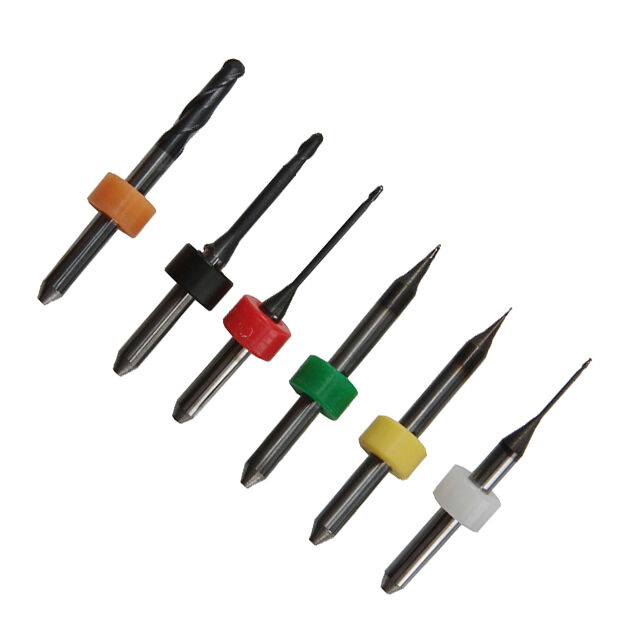
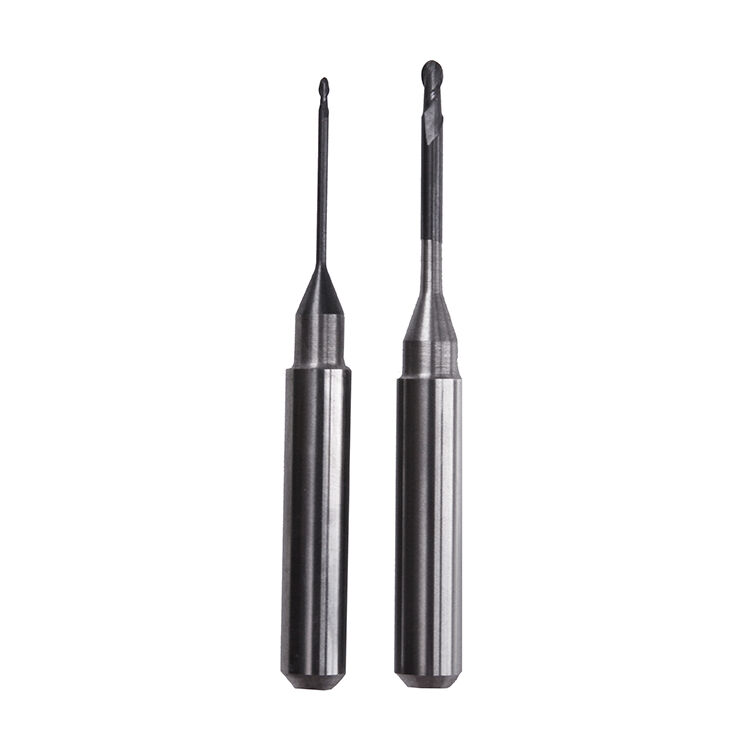
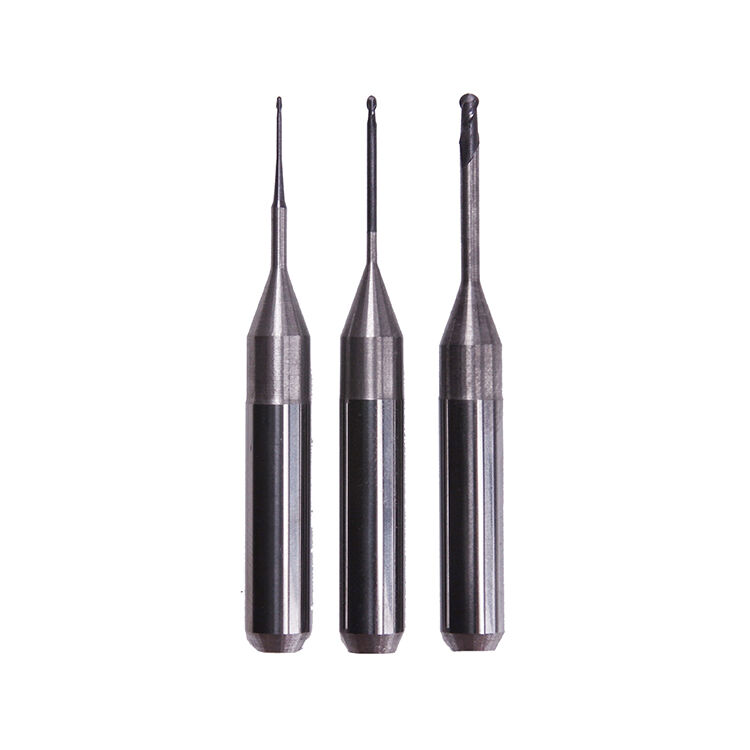
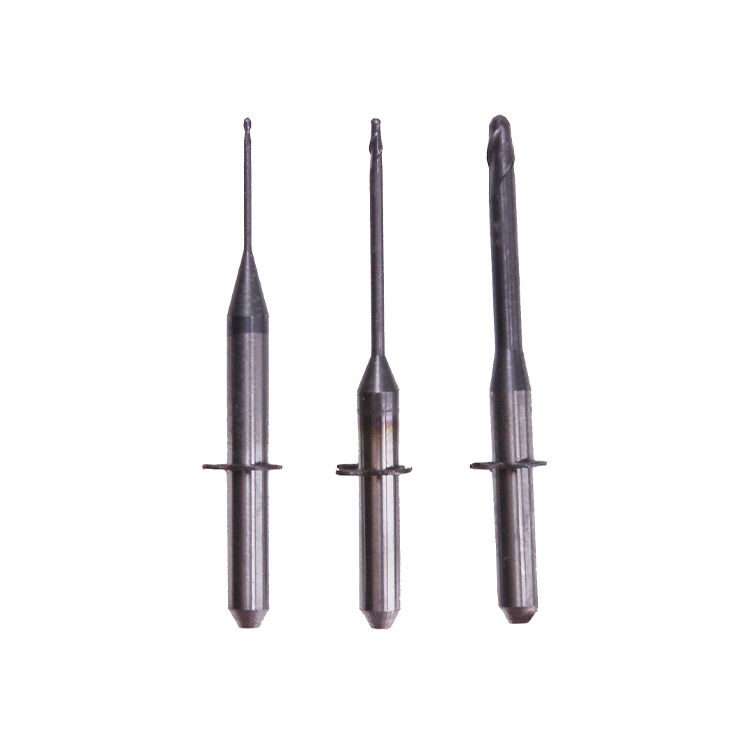
CAD CAM milling burs demonstrate remarkable versatility in processing diverse dental materials, making them indispensable tools for modern restorative dentistry. These specialized instruments efficiently cut through various ceramic types, including lithium disilicate, zirconia, feldspathic porcelain, and hybrid ceramic materials. Each material presents unique cutting challenges, but quality CAD CAM milling burs adapt their performance characteristics to deliver optimal results across this broad spectrum. The ability to process composite materials represents another significant advantage of CAD CAM milling burs. These tools effectively shape and finish both laboratory and chairside composite blocks while maintaining smooth surface textures that minimize post-processing requirements. The cutting action preserves the structural integrity of composite materials, preventing delamination or cracking that could compromise restoration longevity. Metal processing capabilities of CAD CAM milling burs enable the fabrication of precise implant components, framework structures, and metal-based restorations. Whether working with titanium, cobalt-chrome, or precious metal alloys, these burs maintain their cutting efficiency while delivering the dimensional accuracy required for proper fit and function. The heat management properties of quality burs prevent thermal damage to sensitive metal substrates during machining operations. Hybrid materials benefit significantly from the versatility of CAD CAM milling burs. These complex substrates combine multiple material types within single blocks, requiring cutting tools that can adapt to changing material properties during single milling cycles. Premium burs handle these transitions seamlessly, maintaining consistent cutting speeds and surface quality throughout the restoration fabrication process. The material compatibility of CAD CAM milling burs extends to emerging dental materials as manufacturers continue developing new substrate options. This forward compatibility ensures that investments in quality cutting tools remain valuable as material technology advances, providing long-term utility for progressive dental practices.
 EN
EN