dental milling tools
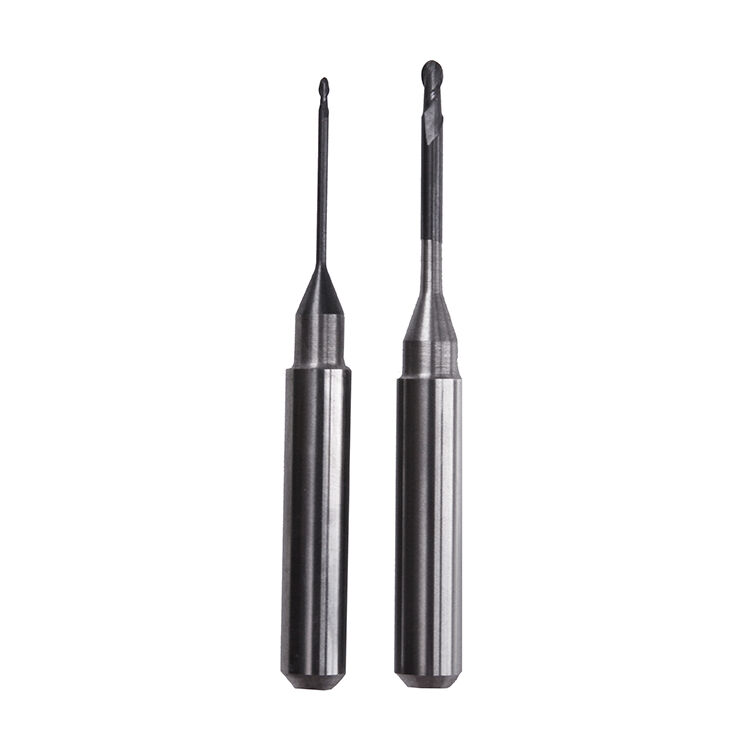
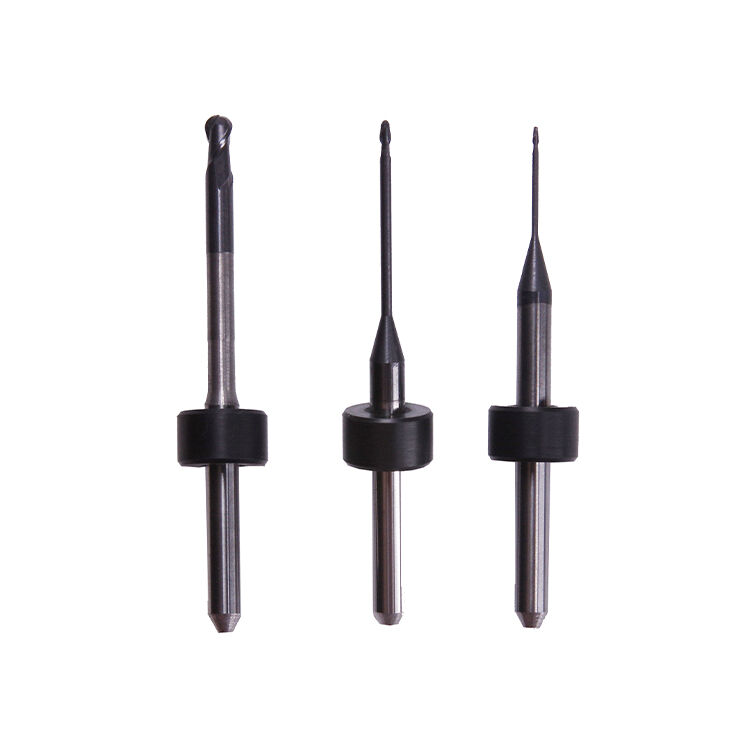
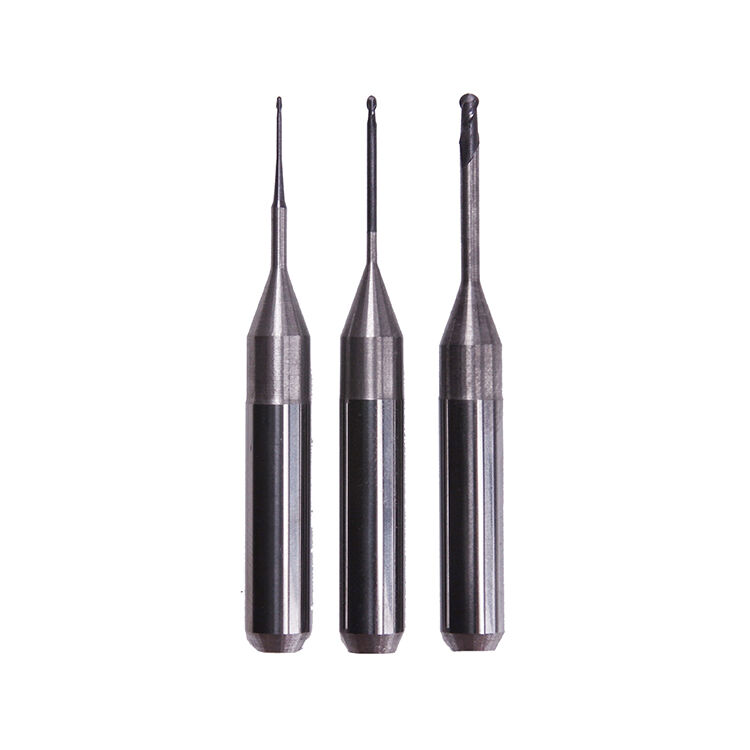
Dental milling tools represent a revolutionary advancement in modern dentistry, transforming how dental professionals create precise restorations and prosthetics. These sophisticated instruments utilize computer-controlled machining technology to fabricate crowns, bridges, veneers, inlays, onlays, and implant components with exceptional accuracy. The core function of dental milling tools involves subtractive manufacturing, where blocks of dental materials are precisely carved and shaped according to digital designs created from patient scans. This technology eliminates many traditional laboratory steps, enabling same-day dentistry solutions that benefit both practitioners and patients. The technological features of dental milling tools include high-speed spindles capable of rotating at thousands of revolutions per minute, ensuring smooth surface finishes on various materials including ceramics, composites, and metals. Advanced CAD/CAM integration allows seamless workflow from digital impressions to final restoration, while automated tool changers optimize efficiency by selecting appropriate cutting instruments for different materials and procedures. Modern dental milling tools incorporate wet milling capabilities to prevent overheating and maintain material integrity during fabrication. Precision positioning systems ensure accuracy within micrometers, while sophisticated software algorithms optimize cutting paths to minimize material waste and processing time. Applications span across restorative dentistry, prosthodontics, and implantology, where dental milling tools create everything from simple single-tooth restorations to complex full-arch rehabilitations. These versatile systems accommodate various material types, including zirconia, lithium disilicate, PMMA, and titanium, making them indispensable for comprehensive dental practices. The integration of artificial intelligence and machine learning continues to enhance these tools, predicting optimal milling parameters and improving surface quality. Quality control features include real-time monitoring of cutting forces and tool wear, ensuring consistent results throughout production cycles.

 EN
EN