
 EN
EN
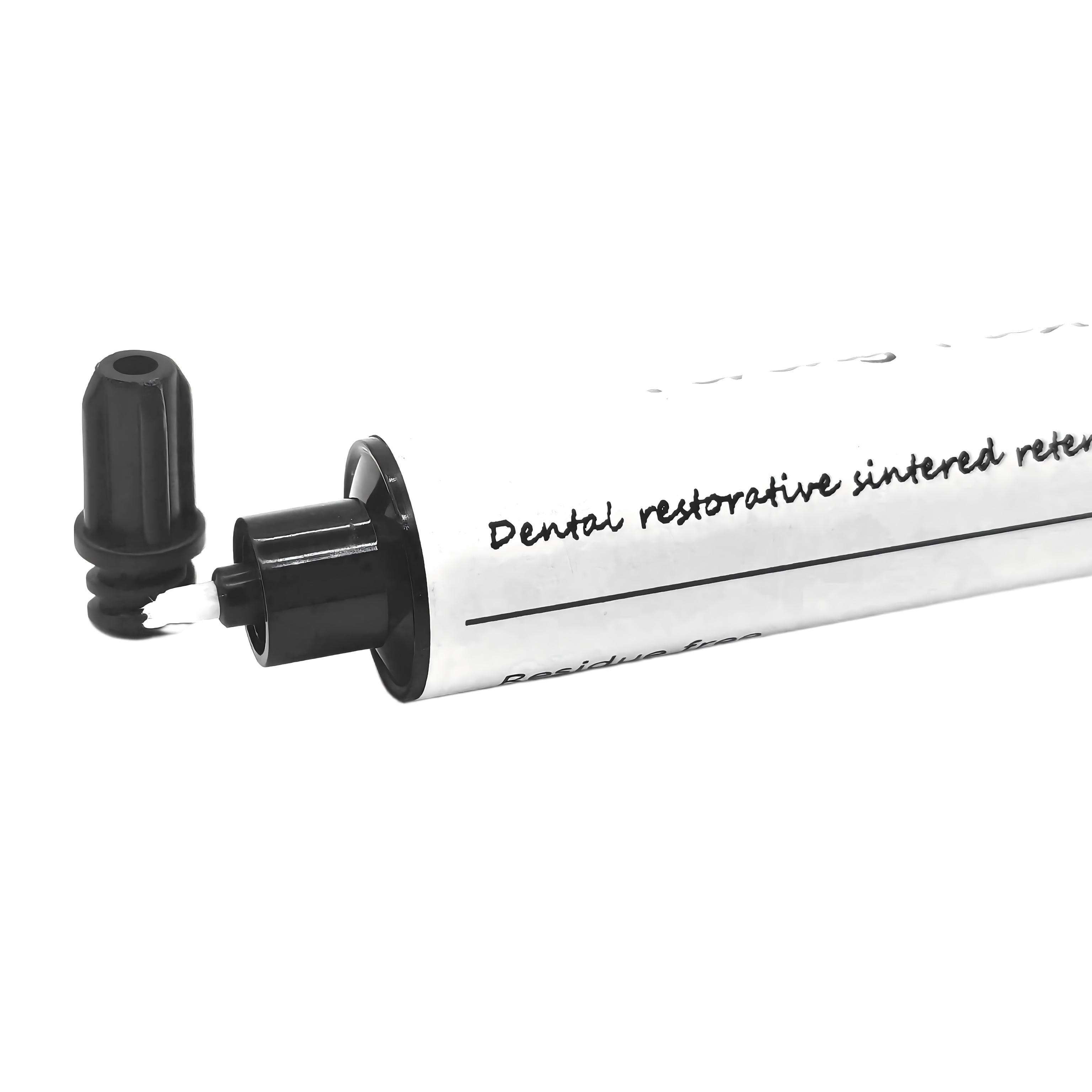
Proper application of dental firing paste is a critical skill that directly impacts the quality and longevity of ceramic dental restorations. This specialized material serves as an essential bonding medium between ceramic components during the firing process, ensuring optimal adhesion and structural integrity in porcelain-fused-to-metal crowns, bridges, and other prosthetic devices. Understanding the correct application technique prevents common failures such as delamination, color inconsistencies, and compromised marginal fit that can lead to costly remakes and patient dissatisfaction.
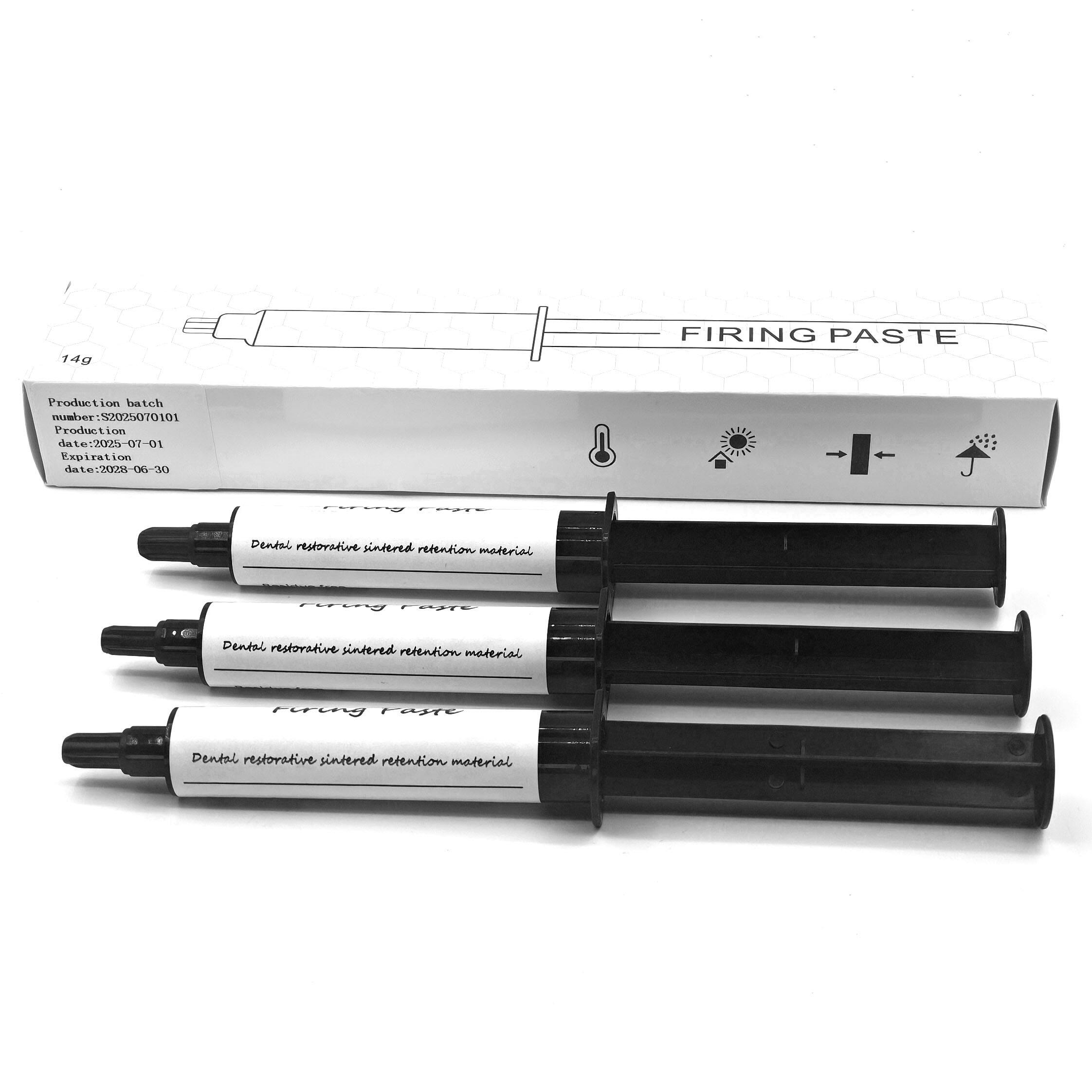
The application process for dental firing paste requires precise timing, appropriate consistency management, and systematic layering techniques that align with thermal expansion coefficients of both the metal framework and ceramic materials. Professional dental technicians must master these fundamentals to achieve predictable results in high-temperature firing cycles while maintaining the aesthetic and functional requirements of modern restorative dentistry. This comprehensive approach ensures that each restoration meets the demanding standards of clinical performance and patient satisfaction.
Understanding Dental Firing Paste Composition and Properties
Chemical Components and Thermal Behavior
Dental firing paste contains carefully balanced ceramic particles suspended in an organic binder system that burns away cleanly during the firing process. The ceramic components typically include feldspathic materials with controlled particle size distribution that matches the thermal expansion characteristics of the base metal and overlying porcelain. Understanding these thermal properties is essential for proper application because the dental firing paste must expand and contract uniformly with adjacent materials to prevent stress concentrations.
The organic binder system serves multiple functions during application and firing, providing workability for smooth application while maintaining adequate open time for precise placement. These binders are formulated to burn out completely at specific temperature ranges, leaving behind only the ceramic matrix that forms the permanent bond. The burnout characteristics directly influence application timing and layer thickness requirements.
Viscosity Control and Working Properties
Proper viscosity management of dental firing paste ensures optimal flow characteristics for uniform coverage without excessive thickness that could compromise firing results. The paste consistency should allow smooth application with standard dental instruments while providing sufficient body to stay in place during handling and positioning. Temperature and humidity conditions in the laboratory significantly affect working properties, requiring environmental control for consistent results.
Working time varies with environmental conditions and paste formulation, typically ranging from 15 to 45 minutes depending on ambient temperature and relative humidity. Dental technicians must plan their application sequence accordingly, preparing only the amount of dental firing paste needed for immediate use to prevent premature thickening or skinning that would compromise application quality.
Pre-Application Surface Preparation Procedures
Metal Framework Conditioning
Thorough surface preparation of the metal framework is fundamental to successful dental firing paste application and subsequent ceramic bonding. The metal surface must be completely free from contamination including casting investment residue, oxidation products, and handling oils that can interfere with paste adhesion. Sandblasting with appropriate aluminum oxide abrasives creates the optimal surface texture for mechanical retention while removing surface contaminants.
Following sandblasting, the framework requires careful cleaning with appropriate solvents or ultrasonic cleaning solutions to remove any residual abrasive particles and organic contamination. The cleaned surface should be handled only with clean instruments or powder-free gloves to prevent recontamination before dental firing paste application. Proper surface preparation at this stage eliminates many common bonding failures that manifest during clinical service.
Environmental and Equipment Setup
Laboratory environmental conditions significantly impact dental firing paste application quality and working characteristics. Optimal temperature should be maintained between 68-75°F with relative humidity controlled between 45-55% to ensure consistent paste behavior and adequate working time. Excessive humidity can cause premature thickening while low humidity may lead to rapid surface skinning that prevents proper bonding.
Equipment preparation includes ensuring clean mixing surfaces, appropriate application instruments, and proper lighting for accurate color matching and thickness assessment. All instruments should be thoroughly cleaned and dried before contact with dental firing paste to prevent contamination that could affect firing results. Proper setup reduces application time and improves consistency across multiple restorations.
Step-by-Step Application Technique
Initial Layer Placement and Distribution
The initial application of dental firing paste requires systematic placement beginning at the cervical margin and progressing toward the incisal or occlusal areas. This sequence ensures complete coverage without air entrapment that could create voids in the final restoration. The paste should be applied in thin, even layers using gentle pressure to maintain intimate contact with the prepared metal surface while avoiding excessive thickness that could compromise firing kinetics.
Proper instrument selection facilitates smooth application with minimal disturbance of the paste consistency. Small brushes or specialized application instruments allow precise control over paste placement, particularly in areas with complex anatomy or tight margins. The application pressure should be sufficient to ensure good wetting of the metal surface while maintaining uniform thickness throughout the coverage area.
Thickness Control and Uniformity Assessment
Achieving uniform thickness of dental firing paste is critical for predictable firing results and optimal ceramic bonding. The recommended thickness typically ranges from 0.1 to 0.3 millimeters depending on the specific product formulation and restoration design requirements. Excessive thickness can lead to incomplete burnout of organic binders while insufficient thickness may result in inadequate bonding or irregular ceramic build-up.
Visual assessment techniques help ensure uniform coverage, including backlighting to identify thin areas and careful inspection of paste color consistency across the entire surface. Areas requiring additional dental firing paste should be addressed immediately while the material maintains optimal working properties. Proper thickness control at this stage prevents many firing complications and ensures predictable aesthetic results.
Firing Process Integration and Quality Control
Pre-Firing Preparation and Drying Protocols
Proper pre-firing preparation of dental firing paste applications involves controlled drying to remove moisture and begin organic binder elimination without creating surface defects. The restoration should be placed in a controlled environment at slightly elevated temperature, typically 100-120°F, for 10-15 minutes to allow gradual moisture removal. This prevents rapid moisture loss during initial firing stages that could cause surface cracking or irregular paste behavior.
The drying process also allows final inspection and minor corrections before committing to the firing cycle. Any areas of uneven coverage or thickness can be addressed during this stage using minimal amounts of fresh dental firing paste applied with precise technique. Proper drying preparation significantly improves firing consistency and reduces the likelihood of defects in the final restoration.
Firing Cycle Parameters and Monitoring
Integration of dental firing paste applications into ceramic firing cycles requires careful attention to temperature ramp rates and hold times that accommodate both paste burnout and ceramic maturation requirements. The initial heating rate should be controlled to allow complete organic elimination typically occurring between 800-1000°F before reaching ceramic firing temperatures. Rapid heating during this critical range can cause paste defects that compromise the entire restoration.
Monitoring techniques during firing include visual observation through furnace viewing ports and careful attention to any unusual odors or smoke that might indicate incomplete burnout or contamination issues. Modern dental furnaces often provide programmable cycles specifically designed for restorations using dental firing paste, ensuring optimal heating profiles for consistent results. Post-firing evaluation should assess paste integration quality and identify any areas requiring attention before proceeding with subsequent ceramic layers.
FAQ
What is the optimal thickness for dental firing paste application?
The optimal thickness for dental firing paste typically ranges from 0.1 to 0.3 millimeters, depending on the specific product formulation and restoration requirements. This thickness ensures adequate bonding while allowing complete organic burnout during firing without creating excessive bulk that could interfere with ceramic layering or cause firing defects.
How long does dental firing paste remain workable after mixing?
Working time for dental firing paste varies from 15 to 45 minutes depending on environmental conditions and specific product formulation. Higher temperatures and lower humidity reduce working time, while cooler, more humid conditions extend workability. It's essential to prepare only the amount needed for immediate use to ensure optimal application properties.
Can dental firing paste be applied over previously fired surfaces?
Dental firing paste can be applied over previously fired ceramic surfaces with proper surface preparation including light sandblasting and thorough cleaning. However, the best bonding results are typically achieved when applying paste directly to properly prepared metal frameworks during initial ceramic application procedures.
What are the most common causes of dental firing paste application failures?
Common dental firing paste failures include inadequate surface preparation of the metal framework, improper thickness control leading to incomplete burnout, contamination from oils or moisture, and incorrect firing cycle parameters. Environmental factors such as excessive humidity or temperature fluctuations can also compromise application quality and firing results.