
 EN
EN
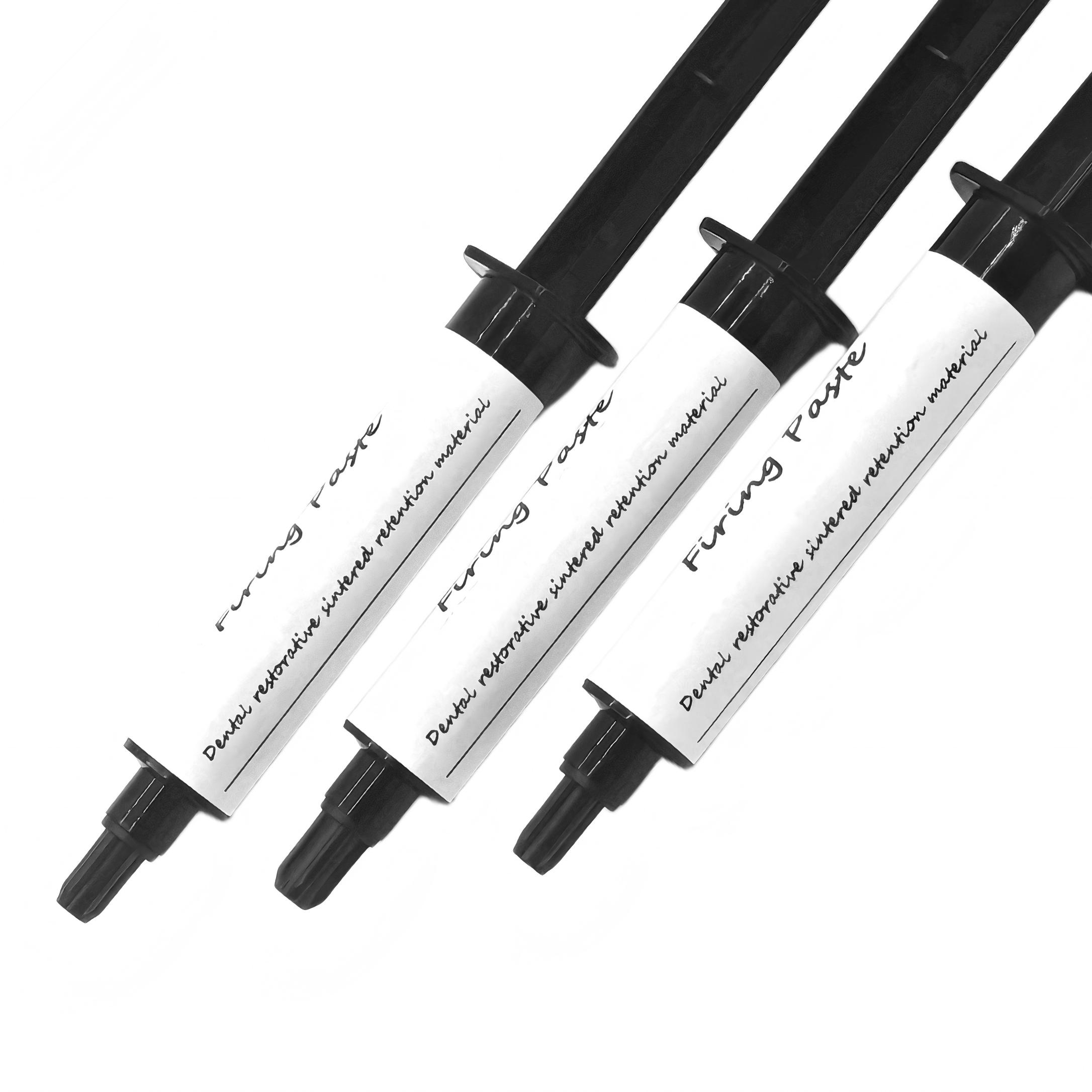
Understanding the composition of dental firing paste is essential for any dental laboratory professional seeking to achieve consistent, high-quality ceramic restorations. Dental firing paste serves as a critical support medium during the high-temperature kiln firing process, protecting porcelain restorations from direct contact with kiln shelves and preventing unwanted glaze effects. The specific formulation of dental firing paste determines how well your restorations maintain their shape, color accuracy, and surface finish throughout the firing cycle. When you select the right dental firing paste, you invest in the precision and reliability of your final restoration.
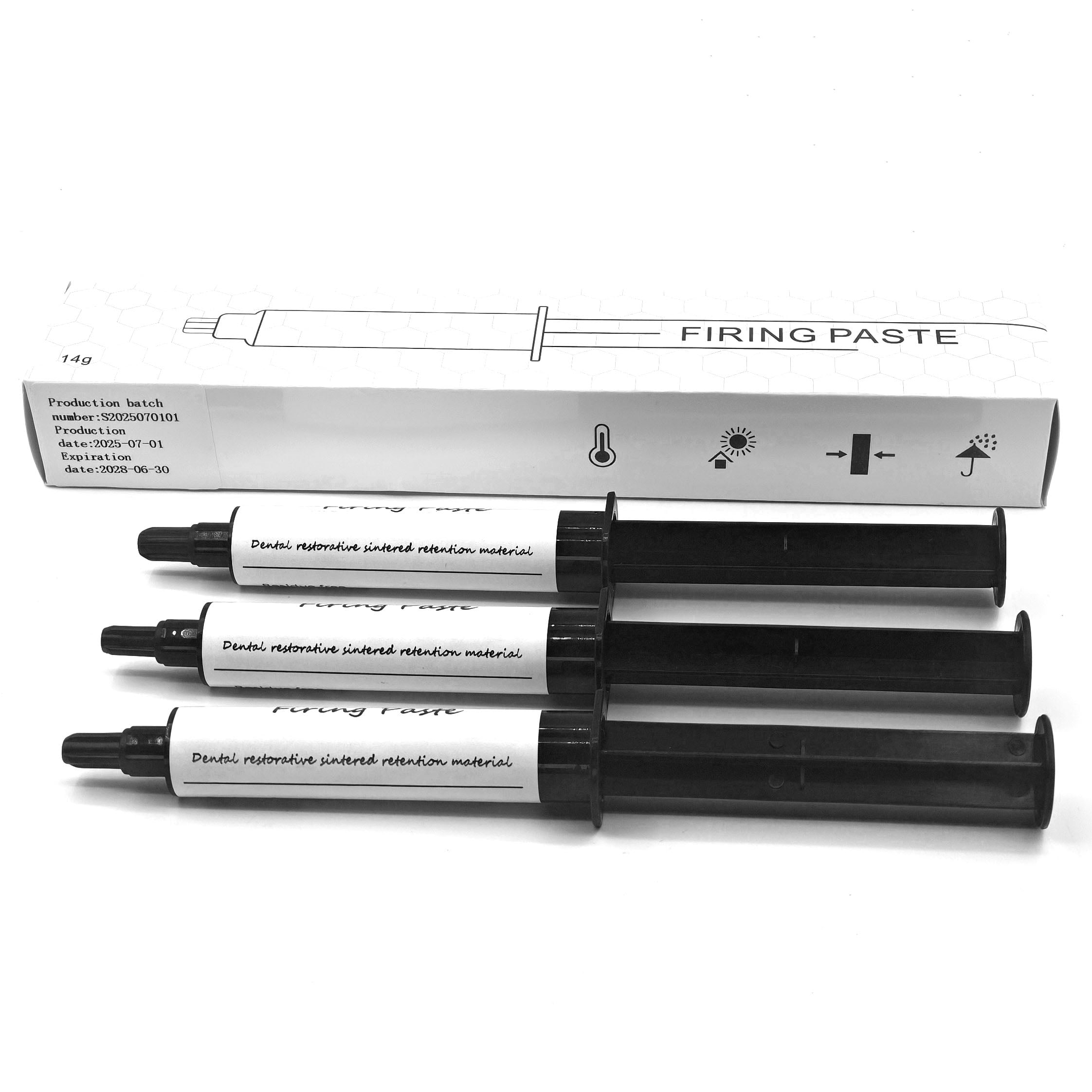
The composition of dental firing paste directly impacts the success rate of your ceramic firing operations. Each ingredient in dental firing paste is selected for its thermal stability, refractory properties, and ability to protect porcelain from environmental contamination. Knowing what makes up your dental firing paste empowers you to troubleshoot firing issues, optimize your kiln workflow, and maintain consistent restoration quality batch after batch. This guide explores the primary components found in premium dental firing paste products used across modern dental laboratories.
Primary Refractory Components in Dental Firing Paste
Aluminum Oxide as the Foundation Material
Aluminum oxide, commonly called alumina, forms the backbone of most dental firing paste formulations. This refractory mineral can withstand temperatures exceeding 1700 degrees Celsius without degrading, making it ideal for protecting restorations during high-temperature ceramic firing. The dental firing paste relies on aluminum oxide to create a stable, inert barrier that prevents direct contact between porcelain and kiln shelf materials. When aluminum oxide particles are finely ground and suspended in dental firing paste, they create a dense matrix that resists chemical reactions and thermal stress throughout extended firing cycles.
Silica and Silicate Compounds
Silica represents another critical component within dental firing paste, working synergistically with aluminum oxide to enhance thermal protection. Silica compounds in dental firing paste develop a protective glass-like surface layer when exposed to kiln heat, further insulating restorations from environmental factors. This combination of silica within dental firing paste strengthens the overall refractory structure and reduces the likelihood of paste degradation or contamination transfer to your porcelain work. The ratio of silica to aluminum oxide in dental firing paste varies by manufacturer, affecting the specific thermal behavior and final paste performance characteristics.
Binders and Suspension Agents in Dental Firing Paste
Colloidal Silica as Primary Binder
Colloidal silica serves as the primary binding agent in most dental firing paste preparations, holding refractory particles in suspension and creating adhesion to model surfaces. This binder component in dental firing paste allows the paste to adhere smoothly to ceramic restorations before firing without introducing unwanted residue or discoloration. Colloidal silica within dental firing paste remains stable at room temperature but transforms at high kiln temperatures, ensuring minimal interference with the final restoration appearance. The colloidal silica concentration in dental firing paste must be precisely balanced to ensure adequate suspension without compromising the paste's ability to release cleanly after firing.
Water and Thixotropic Additives
Water comprises a significant portion of dental firing paste, serving as the primary vehicle for suspending refractory particles and enabling smooth application. Thixotropic additives in dental firing paste improve consistency and prevent settling of heavier particles during storage, ensuring uniform performance throughout the product shelf life. These additives allow dental firing paste to maintain its working viscosity, preventing the material from becoming too thin or too thick for proper application. The water content in dental firing paste must evaporate gradually during the initial heating phase without causing cracking or uneven drying on your restoration surfaces.
Specialized Additives and Processing Agents in Dental Firing Paste
Surfactants and Wetting Agents
Surfactants incorporated into dental firing paste enhance wetting properties, allowing the paste to spread evenly across ceramic surfaces without beading or leaving dry spots. These wetting agents in dental firing paste reduce surface tension, promoting uniform coverage and reducing the risk of exposed areas during firing. The surfactants selected for dental firing paste formulations must remain chemically inert at high temperatures to avoid introducing contaminants into your restoration. Quality dental firing paste incorporates surfactants that support smooth application while being completely burnished away during the initial heating stages of firing.
Anti-Settling and Anti-Foaming Compounds
Anti-settling agents prevent refractory particles from separating from the liquid component during storage, maintaining consistent performance batch after batch. These compounds in dental firing paste extend product shelf life and eliminate the need for extensive remixing before each application. Anti-foaming compounds in dental firing paste prevent bubble formation during application and mixing, which could otherwise create surface imperfections on your finished restorations. The combination of these additives in dental firing paste ensures that laboratory technicians maintain reliable, consistent results without performing complicated preparation procedures.
FAQ
Why does dental firing paste require multiple ingredient types?
Dental firing paste needs multiple ingredient types because each component serves a distinct purpose within the system. Refractory materials like aluminum oxide and silica provide thermal protection, while binders like colloidal silica enable adhesion and suspension. Additives optimize consistency, wetting, and shelf stability. A single ingredient cannot simultaneously achieve thermal protection, maintain workable consistency, ensure clean release, and provide long-term storage stability. The balanced formulation of dental firing paste ensures optimal performance across all phases of the ceramic firing process.
Can I use homemade mixtures instead of commercial dental firing paste?
Creating homemade dental firing paste is not recommended for professional laboratory use. Commercial dental firing paste has been precisely formulated and quality-tested to ensure consistent results, predictable thermal behavior, and reliable performance at high temperatures. Homemade mixtures cannot guarantee proper particle size distribution, binder concentration, or chemical purity that professional-grade dental firing paste provides. The small investment in quality dental firing paste pays dividends through improved restoration success rates and reduced kiln shelf damage.
How does dental firing paste affect restoration color and glaze finish?
Premium dental firing paste is formulated to have minimal impact on restoration color and glaze finish. The refractory materials in dental firing paste create an inert barrier that prevents unwanted chemical reactions between the porcelain and kiln environment. Quality dental firing paste burns away cleanly without leaving residue or discoloration on restoration surfaces. The careful selection of ingredients in dental firing paste ensures that your restorations emerge from the kiln with the intended color, gloss, and surface characteristics you designed.