
 EN
EN
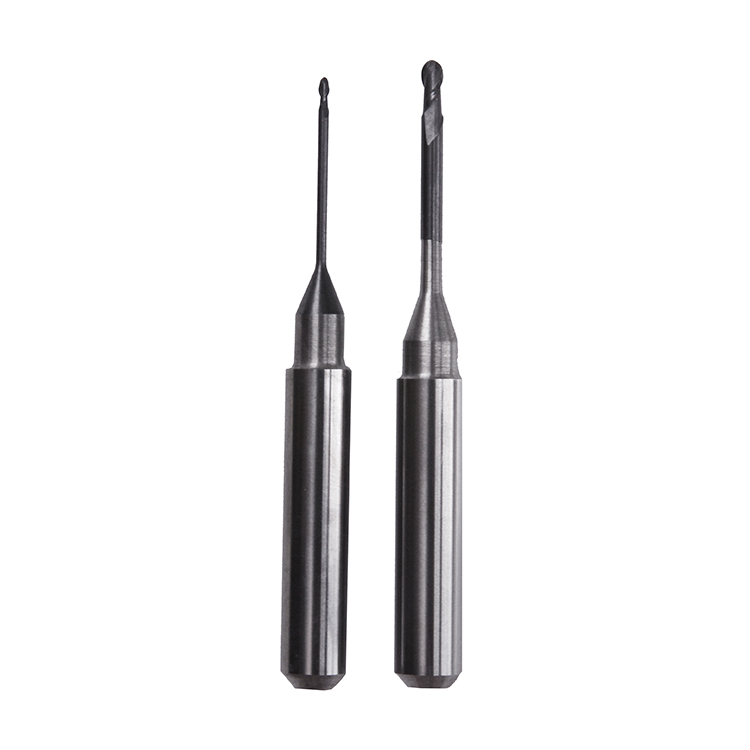
Milling burs are precision cutting tools essential to dental laboratories, precision machining operations, and industrial manufacturing environments. These tools operate under significant stress, rotating at high speeds while removing material from various substrates. Understanding how to prevent milling burs breakage is critical to maintaining productivity, reducing operational costs, and ensuring consistent quality across your milling projects. Breakage not only interrupts workflow but also introduces safety risks and increases material waste.
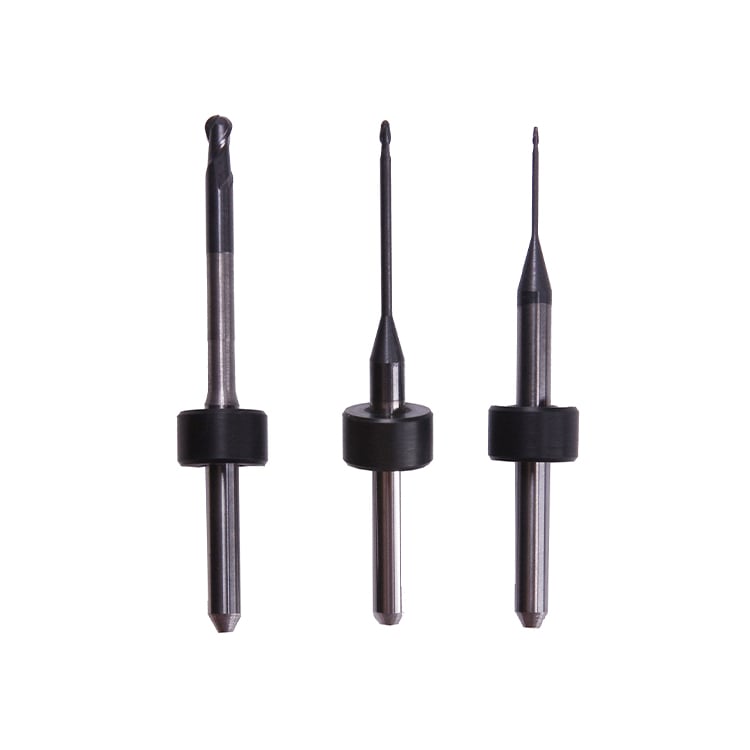
The key to longevity and reliability lies in understanding the root causes of milling burs failure and implementing systematic prevention strategies. Whether you operate a small dental lab or a large-scale manufacturing facility, the principles of proper milling burs handling, maintenance, and operational technique apply universally. This guide explores evidence-based methods to dramatically reduce breakage rates and maximize your return on tooling investment.
Understanding Root Causes of Milling Burs Breakage
Material and Design Vulnerabilities
Milling burs are engineered from specialized materials like tungsten carbide, high-speed steel, or ceramic blends, each with distinct strength characteristics and thermal limits. The flute design, cutting edge geometry, and shank diameter all influence how milling burs respond to cutting forces. When milling burs operate beyond their designed speed ranges or engage materials with unexpected hardness, stress concentration builds at the weakest structural points, typically where the flutes meet the shank. Understanding your specific milling burs' specifications ensures you operate within safe parameters and avoid catastrophic failure modes.
Operational Stress Factors
Excessive spindle speed is the most common cause of milling burs breakage in both laboratory and production environments. When milling burs rotate too quickly, centrifugal forces exceed material tolerance limits, and the heat generated accelerates tool wear and micro-fracturing. Feed rate misalignment also causes breakage; feeding material into milling burs too aggressively creates shock loads that the tool structure cannot absorb. Improper tool registration, vibration in the spindle, and inadequate coolant application compound these stresses, creating a perfect storm for milling burs failure. Even slight runout or tool wobble during spindle rotation concentrates force unevenly across the cutting edges, leading to accelerated wear and sudden breakage.
Preventive Maintenance and Setup Protocols
Pre-Operation Inspection and Calibration
Before using milling burs in any application, inspect them for micro-cracks, chipping, or flute damage using magnification. Store milling burs in protective cases or holders that prevent contact damage and maintain edge integrity. Verify spindle runout regularly using a dial indicator to ensure milling burs sit perfectly centered during rotation; excessive runout concentrates stress and guarantees premature milling burs breakage. Calibrate spindle speed settings for each specific milling burs size and material type, referencing manufacturer guidelines. Many operators overlook this step, assuming one speed works universally, which directly correlates to higher breakage rates across milling burs toolkits.
Coolant Application and Temperature Management
Proper coolant delivery plays a crucial role in preventing milling burs breakage by reducing heat generation and friction at the cutting edge. Without adequate coolant, milling burs operate at elevated temperatures that soften the material, reduce hardness, and accelerate tool wear. Apply coolant directly to the cutting zone using misting systems, flood cooling, or manual application depending on your equipment configuration. Monitor coolant concentration and condition; degraded or contaminated coolant fails to protect milling burs effectively and may introduce particles that cause abrasive damage. Temperature control prevents thermal shock, which occurs when hot milling burs suddenly encounter cold material or coolant, creating expansion-contraction cycles that initiate micro-cracks leading to milling burs breakage.
Operational Techniques for Milling Burs Durability
Optimized Speed and Feed Parameters
Setting appropriate spindle speed is fundamental to preventing milling burs breakage. Most manufacturers provide speed recommendations based on material type and milling burs diameter; operating at 70–85 percent of maximum recommended speed extends tool life significantly compared to running milling burs at maximum RPM. Feed rate should be steady and consistent, allowing milling burs to cut efficiently without shock loading. Sudden acceleration or deceleration of feed motion causes instantaneous force spikes that milling burs cannot tolerate, resulting in catastrophic fracture rather than gradual wear. Implement ramping motions and controlled depth-of-cut increases to distribute stress evenly across milling burs cutting edges.
Material-Specific Strategies
Different materials demand different milling burs specifications and operating parameters. Hard materials like zirconia or titanium require milling burs specifically designed for those substrates, with reinforced flute geometry and heat-resistant coatings. Using general-purpose milling burs on hardened materials dramatically increases breakage risk because the tool structure was not engineered for those forces. Conversely, soft materials like acrylic or composite require lower spindle speeds and higher feed rates to prevent milling burs from rubbing or generating excessive heat. Consult material data sheets and cross-reference them with your milling burs capabilities to ensure proper alignment. Incorrect material-tool combinations remain a leading cause of milling burs breakage in commercial operations.
Vibration Control and Machine Maintenance
Spindle vibration amplifies stress on milling burs and accelerates failure. Maintain your milling equipment according to manufacturer schedules, including bearing inspection, spindle balancing, and chuck maintenance. Check that your milling burs seating in the chuck is secure and centered; loose milling burs grip represents a serious breakage risk. Minimize vibration by ensuring your workpiece is rigidly clamped and your milling machine bed is clean and properly leveled. Excessive spindle noise or unusual vibrations signal potential issues that will cause milling burs breakage if not addressed promptly. Regular preventive maintenance on your milling equipment directly translates to improved milling burs reliability and reduced replacement costs.
FAQ
What is the most common reason milling burs break?
Excessive spindle speed is the leading cause of milling burs breakage across dental labs and manufacturing facilities. When milling burs rotate beyond their design limits, centrifugal forces and heat accumulation exceed material tolerance, causing sudden fracture. Operators often assume higher speeds improve efficiency, but this misconception directly increases milling burs failure rates and waste.
How can I determine the correct spindle speed for my milling burs?
Refer to the manufacturer's speed recommendations provided with your specific milling burs, which vary by diameter, material composition, and cutting geometry. Operating milling burs at 70–85 percent of maximum recommended RPM provides optimal balance between efficiency and tool longevity. Document your speed settings for each milling burs type and material combination to ensure consistent, safe operation.
Can coolant really prevent milling burs breakage?
Yes, adequate coolant application significantly reduces milling burs breakage by controlling heat generation, reducing friction, and preventing thermal shock. Without proper coolant, milling burs overheat, lose hardness, and become prone to micro-cracking. Consistent, clean coolant delivery directly correlates to extended milling burs lifespan and lower replacement frequency.