
 EN
EN
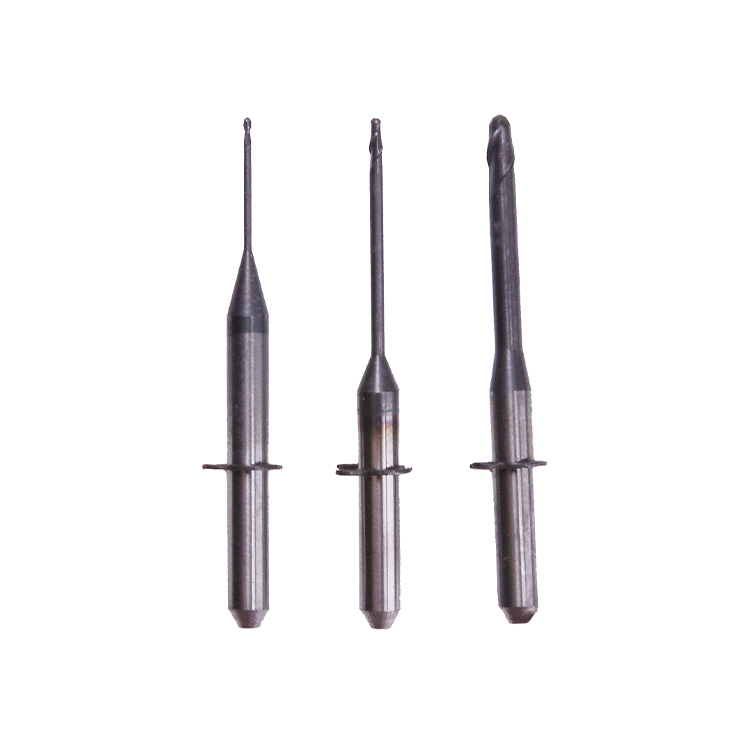
Selecting the right milling burs for volume labs requires understanding both the technical specifications and the operational demands of high-throughput dental milling environments. Volume labs process hundreds or thousands of restorations monthly, making the choice of milling burs critical to productivity, precision, and profitability. The wrong milling burs can result in extended processing times, material waste, and reduced restoration quality, while optimal milling burs directly improve throughput and reduce per-unit costs. This guide explains how to evaluate and select milling burs that match your lab's specific workload, material types, and precision requirements.
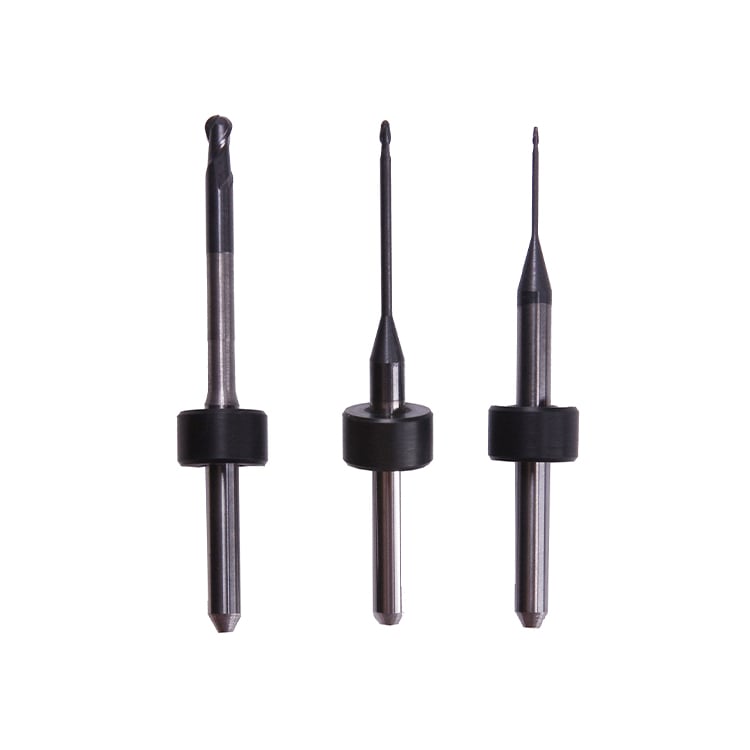
Volume labs operate under different constraints than small boutique operations. When you select milling burs, you must balance speed, accuracy, durability, and cost per tool. The milling burs you choose will be used repeatedly throughout the workday, facing different materials—zirconia, titanium, composite, and hybrid ceramics—each requiring distinct cutting characteristics. Understanding these material-specific demands and matching them to appropriate milling burs ensures consistent results across large production runs.
Understanding Material-Specific Milling Bur Selection
Zirconia Milling Performance with the Right Burs
Zirconia dominates modern dental restoration workflows, and selecting milling burs optimized for zirconia processing is essential for volume labs. Zirconia presents unique machining challenges: it is extremely hard, demands precise cutting geometry, and generates significant heat during milling. The milling burs designed for zirconia feature specialized coating and flute designs that manage thermal stress while maintaining sharp cutting edges. When you select milling burs for zirconia, prioritize tools with diamond-coated or carbide construction that preserve edge sharpness through hundreds of restorations.
Volume labs running continuous zirconia milling need milling burs that resist thermal degradation and maintain dimensional accuracy over extended tool life. Poor bur selection in zirconia milling leads to extended cycle times, material chipping, and premature tool replacement costs. High-quality milling burs designed specifically for zirconia reduce these risks and deliver consistent marginal fit and surface smoothness across production batches.
Multi-Material Compatibility and Bur Versatility
Many volume labs process multiple restoration types daily, shifting between zirconia crowns, titanium frameworks, and ceramic veneers. This operational reality requires careful thought when you select milling burs that can handle material transitions. While specialty milling burs optimize performance within a single material, versatile burs allow labs to maintain efficiency without excessive tool changeovers. Selecting milling burs with broad material compatibility reduces inventory complexity and minimizes downtime between material changes.
The trade-off when you select milling burs for multi-material use is that no single bur design achieves peak performance across every material. However, well-engineered carbide or coated milling burs perform adequately across zirconia, ceramics, and polymers, making them practical for labs running diverse case mixes. Understanding your lab's material distribution helps guide this selection decision—if zirconia represents 70 percent of your volume, optimize milling burs for zirconia while accepting slight compromises in other materials.
Evaluating Bur Geometry, Coating, and Durability Factors
Flute Design and Cutting Geometry Impact
The geometric design of milling burs directly affects cutting efficiency and surface finish. When you select milling burs, examine flute count, flute angle, and overall geometry against your target applications. Milling burs with higher flute counts typically deliver smoother surface finishes but demand slower spindle speeds; milling burs with fewer, more aggressive flutes cut faster but may produce rougher surfaces requiring additional finishing steps. For volume labs, the optimal milling burs balance cutting speed with finish quality to minimize total processing time.
The rake angle, clearance angle, and helix angle of milling burs are engineered into each tool design. These parameters determine how aggressively the bur attacks the material and how well it evacuates chips. Premium milling burs from specialized manufacturers incorporate advanced geometry that reduces vibration, lowers thermal generation, and extends useful tool life. When you select milling burs, requesting geometry specifications from vendors helps match tool design to your lab's CAM software settings and spindle capabilities.
Coating Technology and Tool Longevity
Surface coatings transform milling bur performance and durability. Diamond coating, titanium nitride (TiN), and other advanced coatings protect the bur substrate and maintain edge sharpness longer than uncoated tools. When you select milling burs with appropriate coatings, tool life extends dramatically, reducing cost per restoration. Zirconia-focused labs particularly benefit from diamond-coated milling burs, which resist the extreme wear that zirconia causes on uncoated carbide tools.
Coating selection for milling burs involves cost-benefit analysis. Coated milling burs command higher per-unit prices but deliver longer service life and more consistent results. Volume labs processing thousands of restorations annually typically find that premium coated milling burs reduce total cost of ownership compared to frequent replacement of budget tools. When you select milling burs for high-volume operations, investing in superior coatings yields measurable productivity gains and quality improvements.
Optimizing Bur Selection for Production Efficiency and Cost Control
Matching Spindle Speeds and Tool Inventory Strategy
Each milling bur design operates optimally within specific spindle speed ranges. When you select milling burs, verify that the recommended RPM aligns with your milling equipment's capabilities. Mismatched spindle speeds compromise cutting efficiency, generate excessive heat, and accelerate tool wear. Volume labs benefit from selecting milling burs from vendors who provide detailed speed-and-feed recommendations for different materials and machine configurations.
Tool inventory management represents a significant operational decision when you select milling burs. Centralized labs with large daily volumes may maintain dozens of milling bur types optimized for specific applications, while smaller volume labs must prioritize flexibility and versatility. Your inventory strategy when you select milling burs should reflect your material mix, available storage space, and budget constraints. Most efficient volume labs standardize on two to four high-quality milling bur geometries that cover their majority workload, supplemented with specialty tools for unique cases.
Cost Per Restoration and Total Cost of Ownership
Calculating the true cost impact of your milling bur selection requires understanding total cost of ownership, not just tool purchase price. When you select milling burs, factor in tool life (number of restorations per tool), processing time per restoration, failure rate, and surface finish quality requiring rework. A premium milling bur costing 40 percent more upfront may cut 500 restorations before requiring replacement, while a budget bur cuts only 200, delivering lower per-restoration cost and fewer quality issues.
Volume labs should conduct periodic cost analysis of their milling bur selection decisions. Tracking tool life metrics, processing times, and rework rates provides objective data for evaluating whether current milling bur choices optimize profitability. When you select milling burs based on lowest purchase price alone, hidden costs in extended cycle times, material waste, and quality rework often outweigh any savings. Strategic vendors providing milling burs with documented performance data and supportive technical guidance help labs make informed selections that truly minimize total cost.
FAQ
What is the most important factor when selecting milling burs for high-volume production?
Material compatibility combined with tool durability forms the foundation of effective milling bur selection. In volume labs processing primarily zirconia, selecting milling burs specifically engineered for zirconia—with appropriate coatings and geometry—delivers the most dramatic productivity and quality improvements. However, no single factor outweighs understanding your specific material mix and volume requirements, as these directly determine which milling burs will deliver the lowest total cost of ownership.
How long should milling burs last in a volume lab setting?
Tool life for milling burs depends heavily on material, geometry, coating quality, and spindle speed. Premium diamond-coated milling burs for zirconia typically process 300–800 restorations before dulling noticeably, while coated milling burs for softer materials may last 500–1500 restorations. Volume labs should establish baseline tool life metrics for their current milling bur selection, then use these benchmarks to evaluate new tools and validate vendor claims about milling bur durability.
Should volume labs buy cheaper milling burs to reduce tool costs?
Budget milling burs often create false economy in volume labs. While per-tool cost appears lower, shorter tool life, longer processing times, and higher rework rates due to poor surface finish typically increase total cost per restoration. Volume labs achieve better financial outcomes by selecting premium milling burs from reputable manufacturers, tracking actual cost metrics, and adjusting selections based on real productivity data rather than pursuing lowest upfront purchase price.