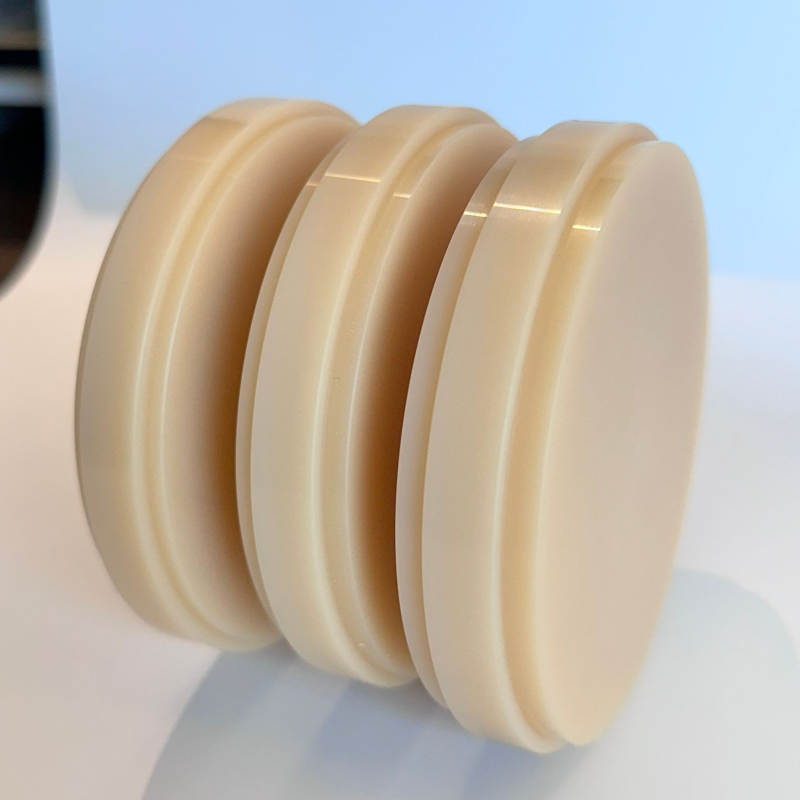
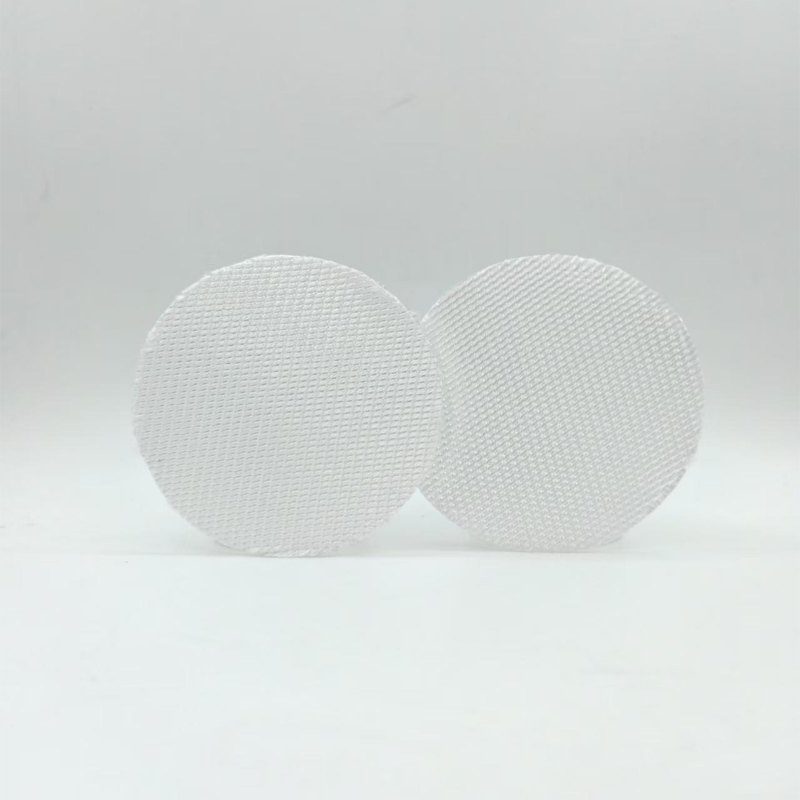
dental lab consumables for ceramics
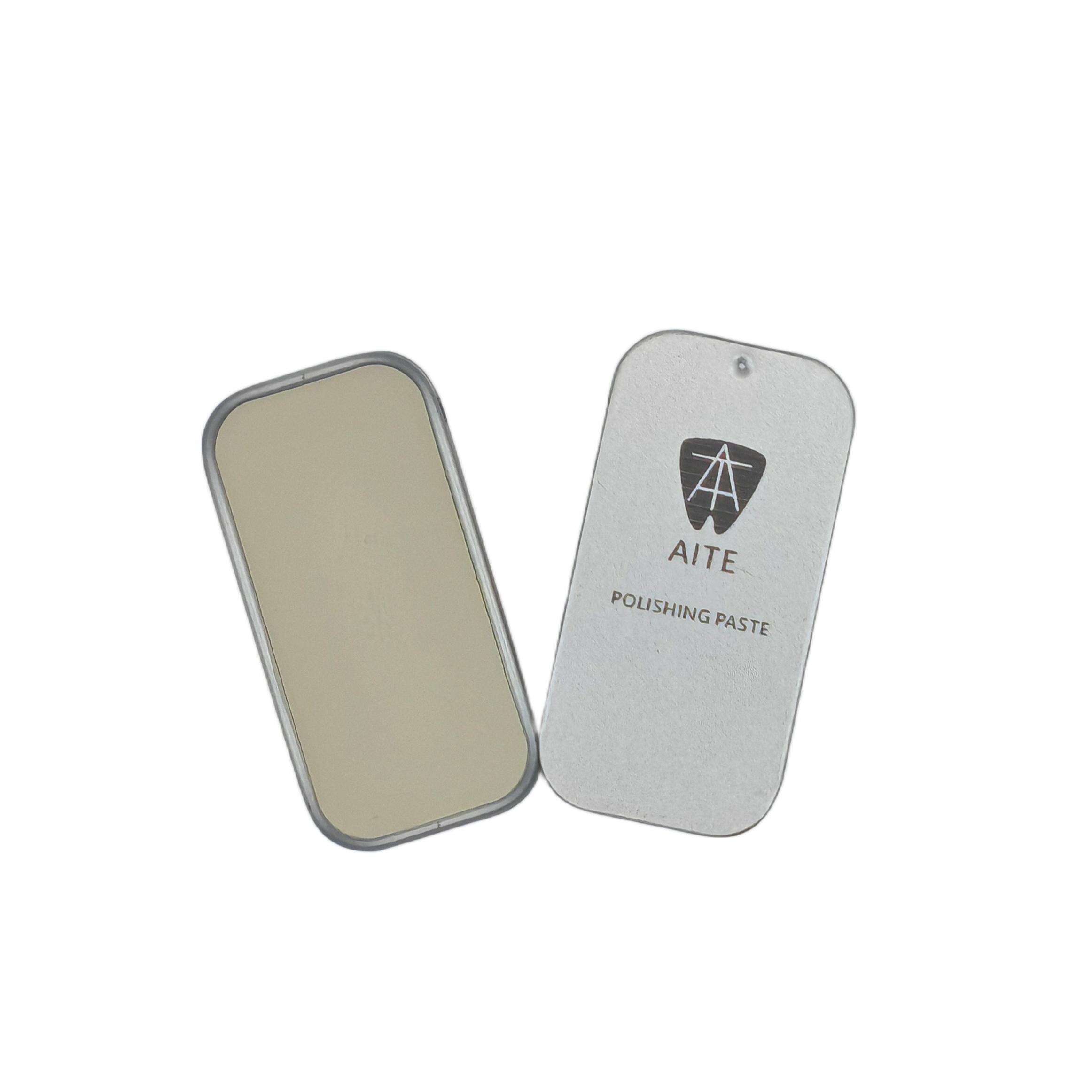
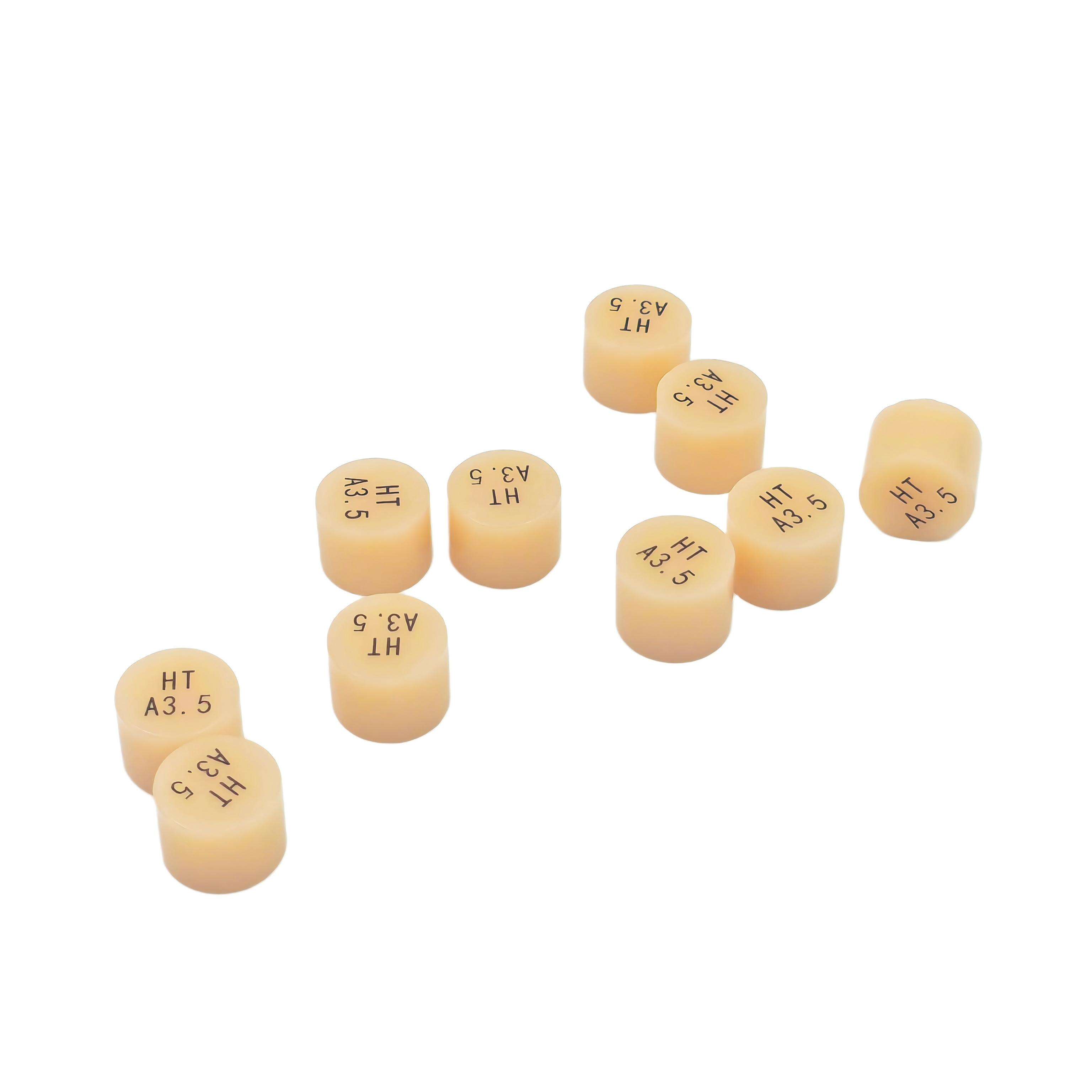
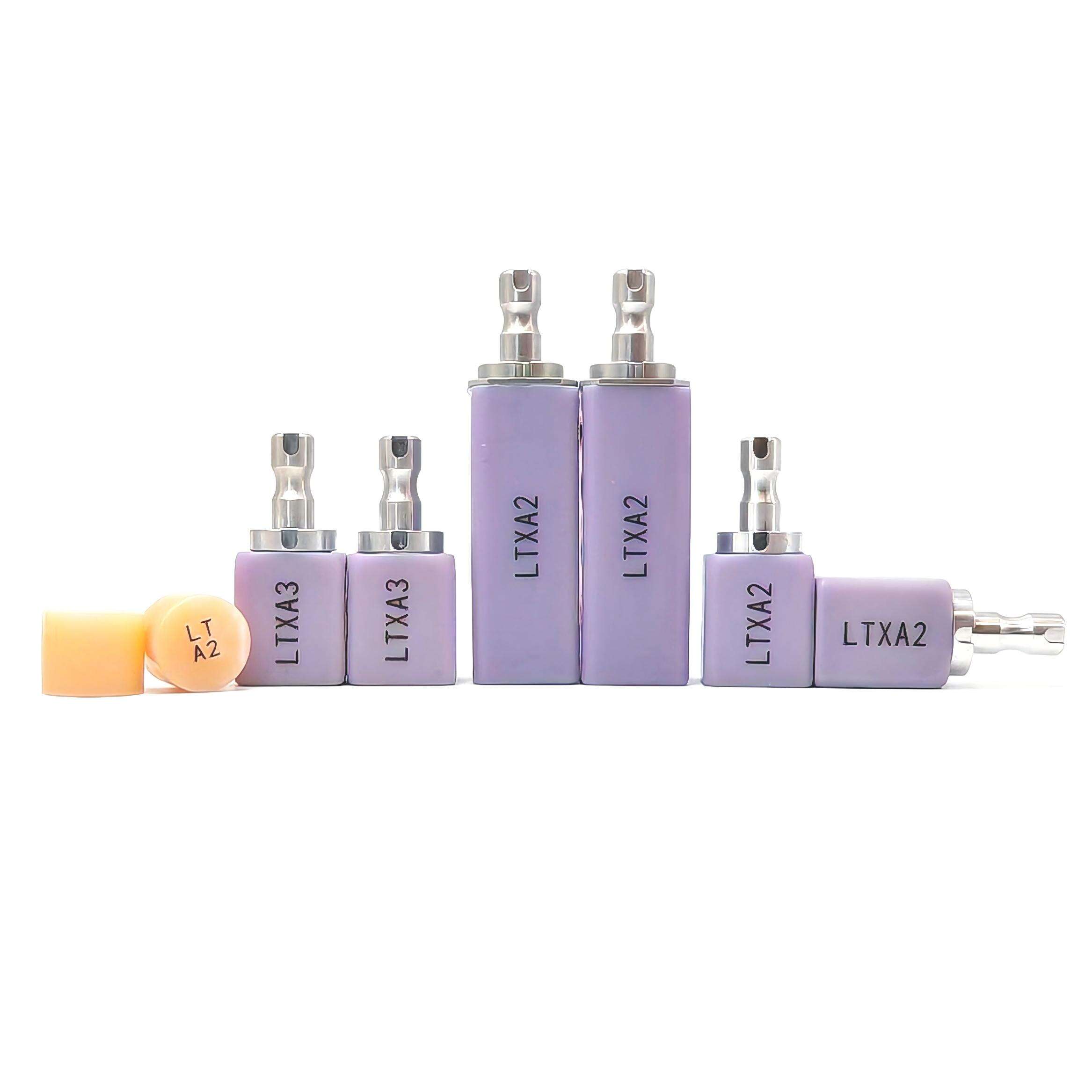
Dental lab consumables for ceramics represent essential materials and tools that enable dental laboratories to create high-quality ceramic restorations with precision and efficiency. These specialized consumables encompass a comprehensive range of products including ceramic powders, glazes, stains, firing accessories, investment materials, and specialized tools designed specifically for ceramic dental work. The primary function of dental lab consumables for ceramics involves facilitating the complete fabrication process of ceramic dental restorations, from initial shaping and molding to final finishing and polishing. These materials enable technicians to create crowns, bridges, veneers, and implant components that match natural tooth aesthetics while providing exceptional durability and biocompatibility. The technological features of modern dental lab consumables for ceramics include advanced formulations that ensure optimal thermal expansion coefficients, enhanced translucency properties, and superior color stability under various lighting conditions. Many contemporary ceramic consumables incorporate nanotechnology enhancements that improve mechanical strength and wear resistance, while maintaining the natural appearance that patients expect. Temperature-controlled firing processes are supported by specialized kiln furniture and accessories that maintain consistent results across multiple firing cycles. Applications for dental lab consumables for ceramics span across various restoration types, including anterior and posterior single crowns, multi-unit bridges, cosmetic veneers, and implant-supported prosthetics. These consumables support both traditional layering techniques and modern monolithic ceramic approaches, allowing laboratories to adapt to diverse clinical requirements and aesthetic demands. The versatility of these materials enables technicians to work with different ceramic systems, from feldspathic porcelains to high-strength zirconia frameworks, ensuring compatibility with various clinical protocols and patient needs while maintaining consistent quality standards throughout the fabrication process.

 EN
EN