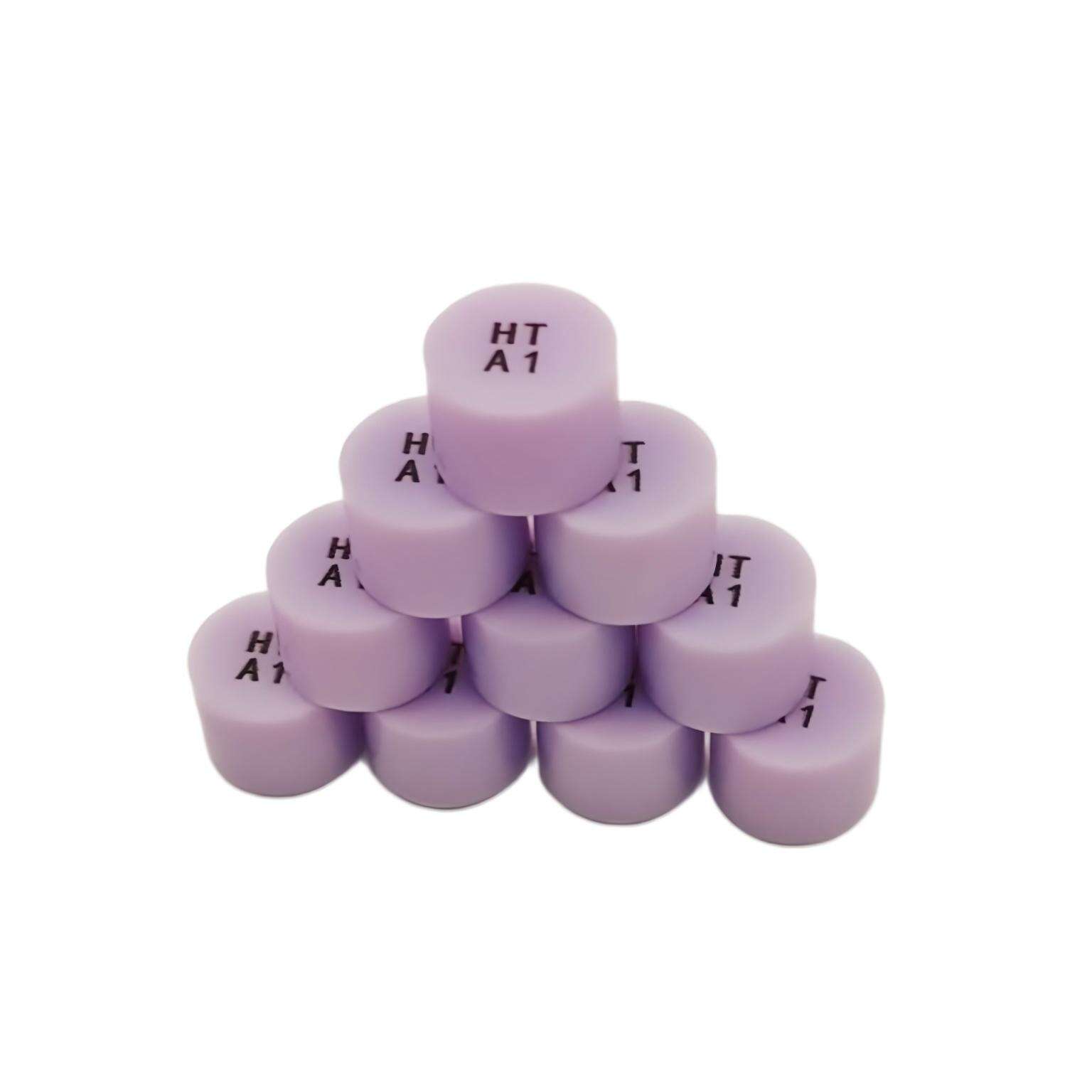
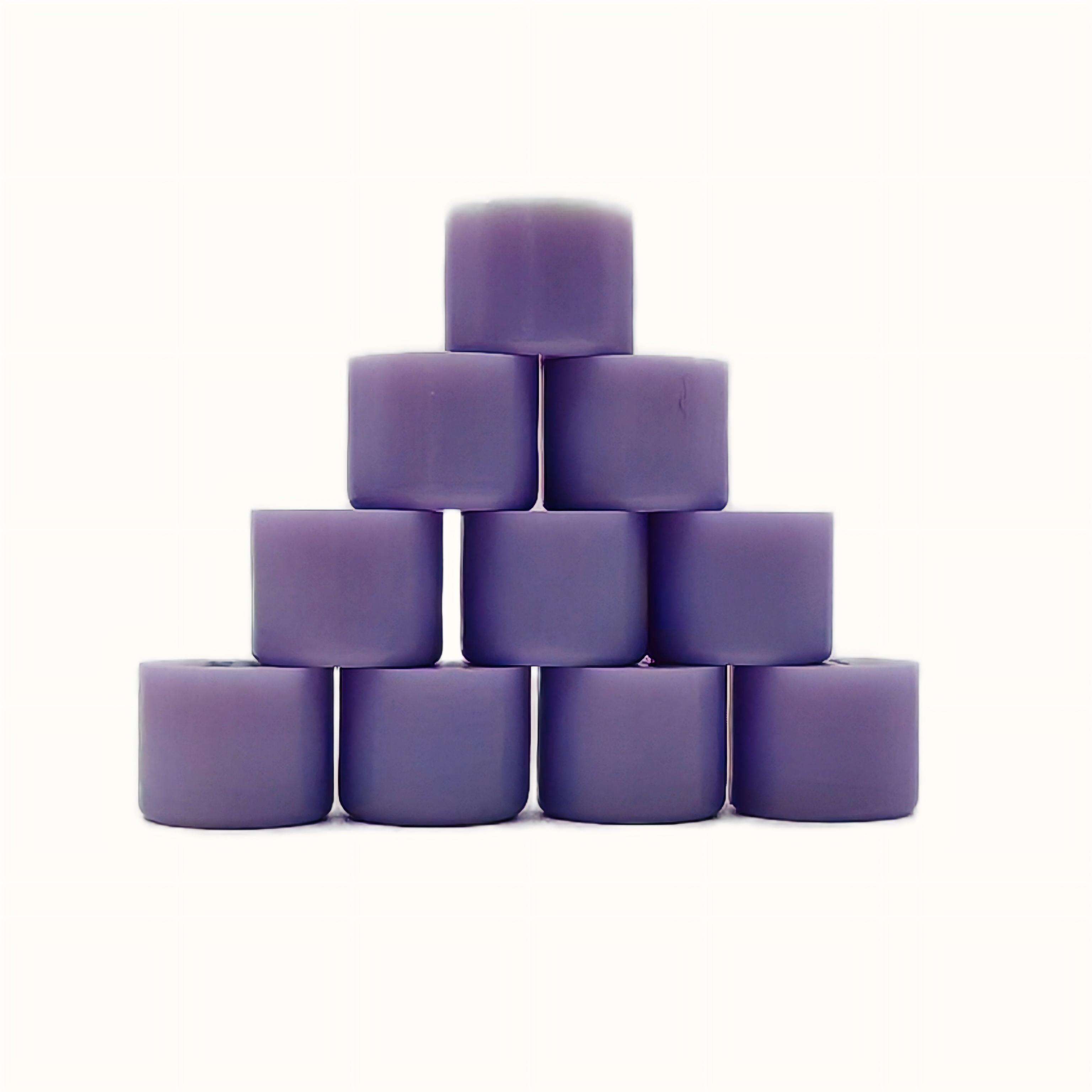
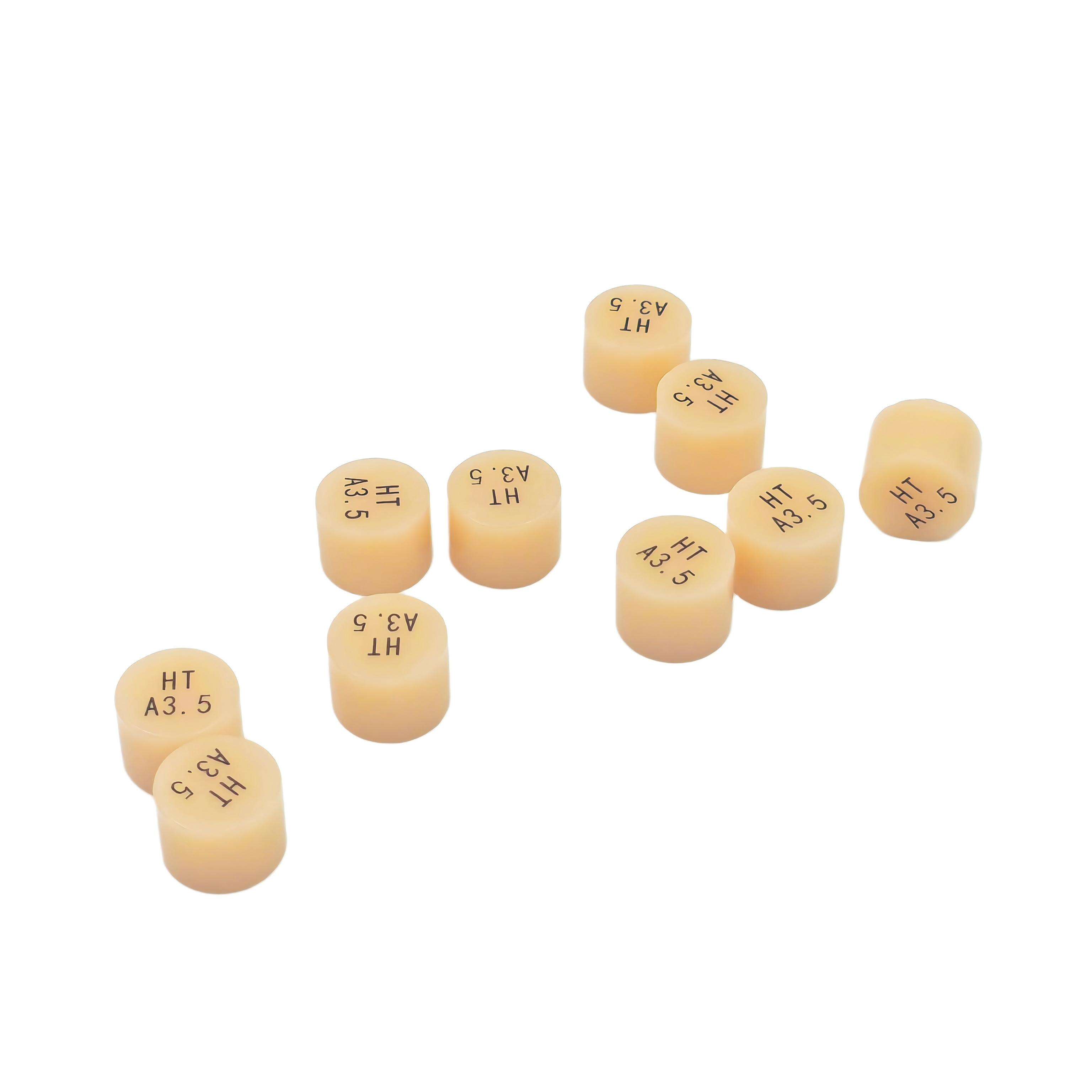
lithium disilicate press ingot
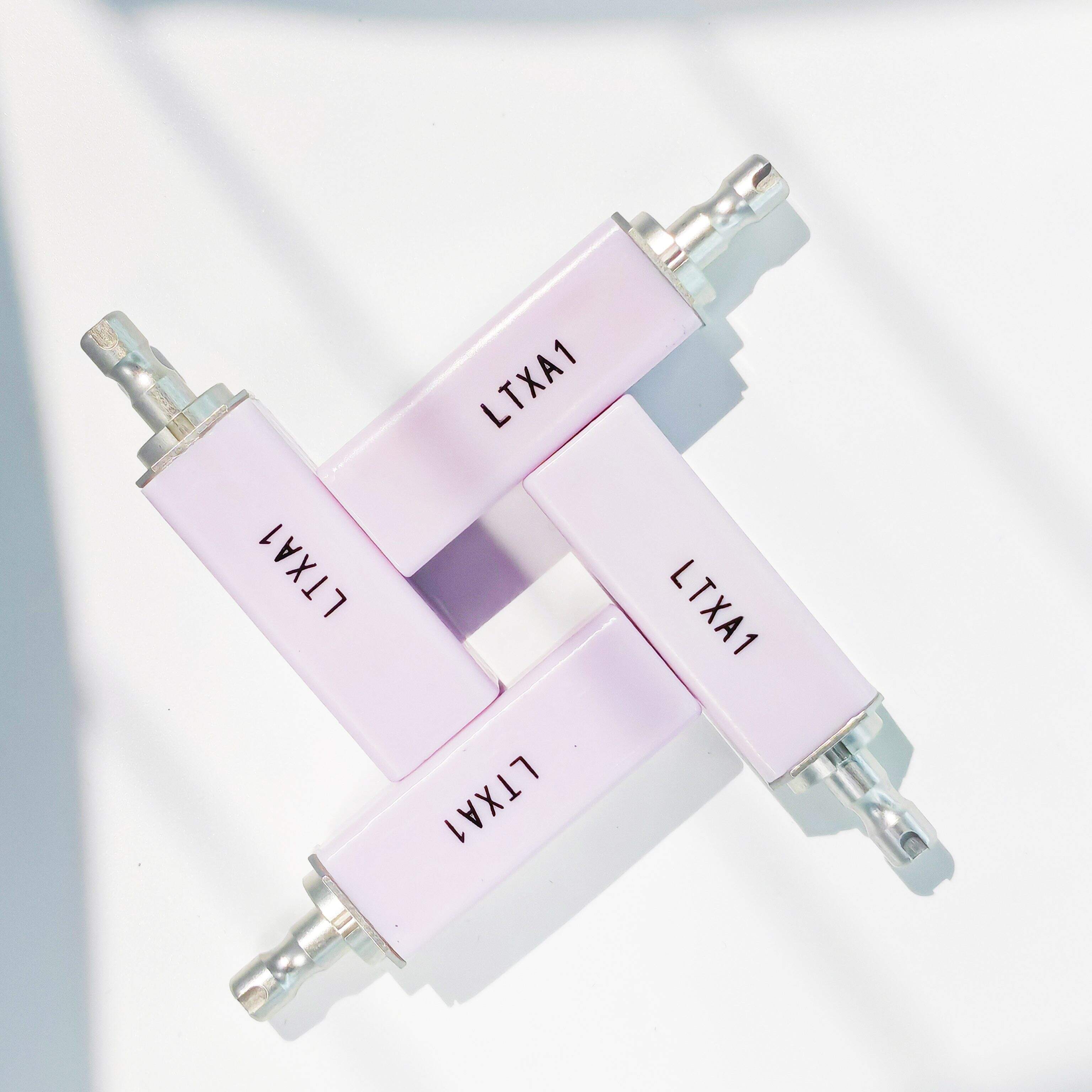
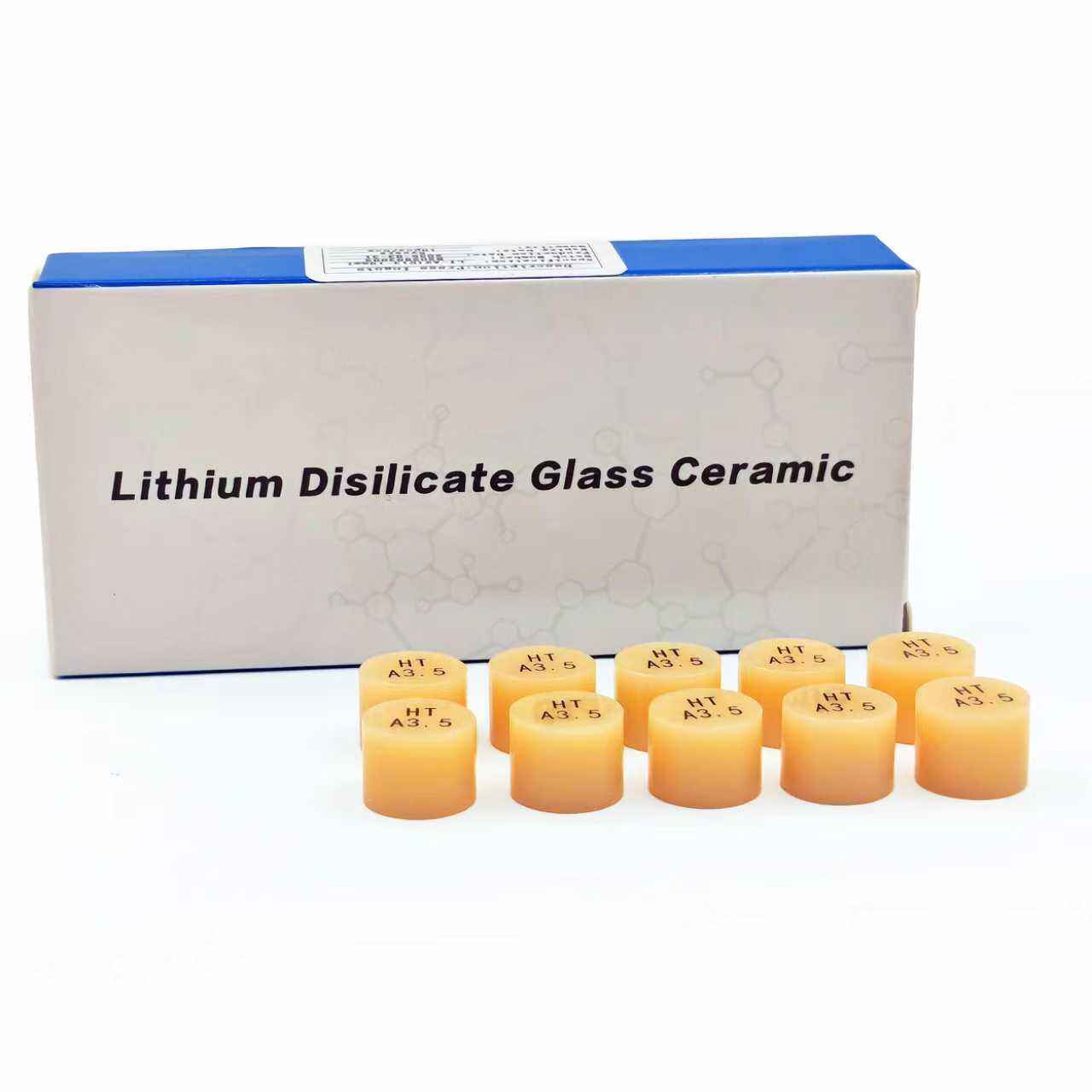
The lithium disilicate press ingot represents a revolutionary advancement in dental restoration materials, specifically engineered for creating high-quality prosthetic solutions through advanced pressing techniques. This innovative material combines lithium disilicate crystals with specialized glass components to produce ingots that deliver exceptional performance in dental applications. The primary function of lithium disilicate press ingot centers on providing dental professionals with a reliable, versatile material for fabricating crowns, veneers, inlays, onlays, and bridges that meet the demanding requirements of modern dentistry. The technological foundation of lithium disilicate press ingot relies on controlled crystallization processes that create a microstructure optimized for strength, translucency, and workability. During manufacturing, precise temperature control and chemical composition management ensure consistent material properties throughout each ingot. The pressing process involves heating the lithium disilicate press ingot to specific temperatures, allowing it to flow into prepared molds while maintaining structural integrity. This controlled transformation enables dental technicians to create restorations with remarkable precision and detail reproduction. Applications for lithium disilicate press ingot span across numerous dental specialties, including general dentistry, prosthodontics, and cosmetic dentistry. The material proves particularly valuable for anterior restorations where aesthetics play a crucial role, as well as posterior applications requiring enhanced durability. The lithium disilicate press ingot demonstrates compatibility with various cementation protocols and surface treatments, making it adaptable to different clinical scenarios. Modern dental laboratories utilize lithium disilicate press ingot in conjunction with sophisticated pressing furnaces and specialized investment materials to achieve optimal results. The material's versatility extends to both single-unit restorations and multi-unit prosthetic devices, providing flexibility in treatment planning and execution.

 EN
EN