
 EN
EN
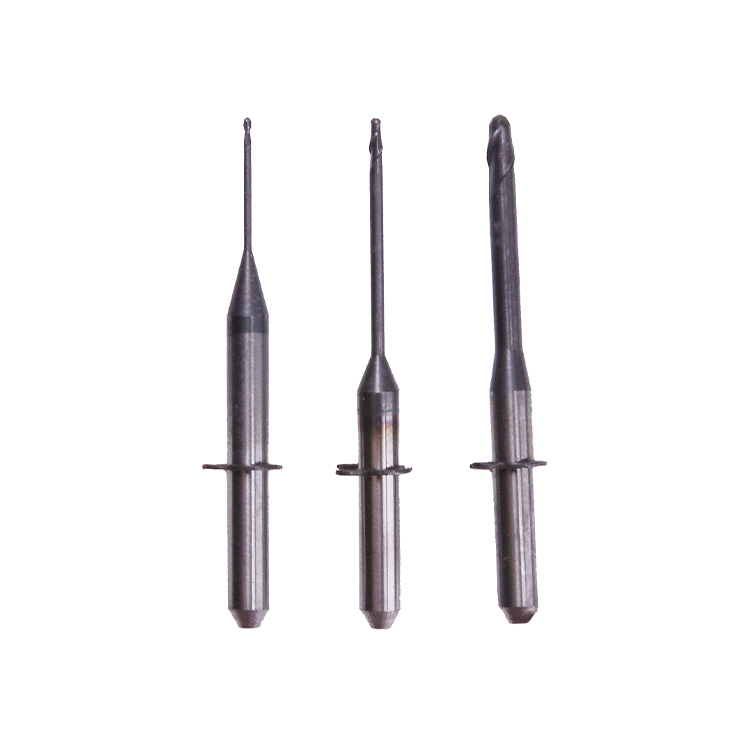
Milling burs are precision cutting instruments essential to digital dentistry and dental laboratory operations. Over time, these tools experience inevitable wear, dulling, and microstructural degradation that compromises their cutting efficiency and clinical performance. Understanding why milling burs need regular replacement is fundamental to maintaining consistent quality, protecting expensive milling equipment, and delivering reliable restorations to patients.
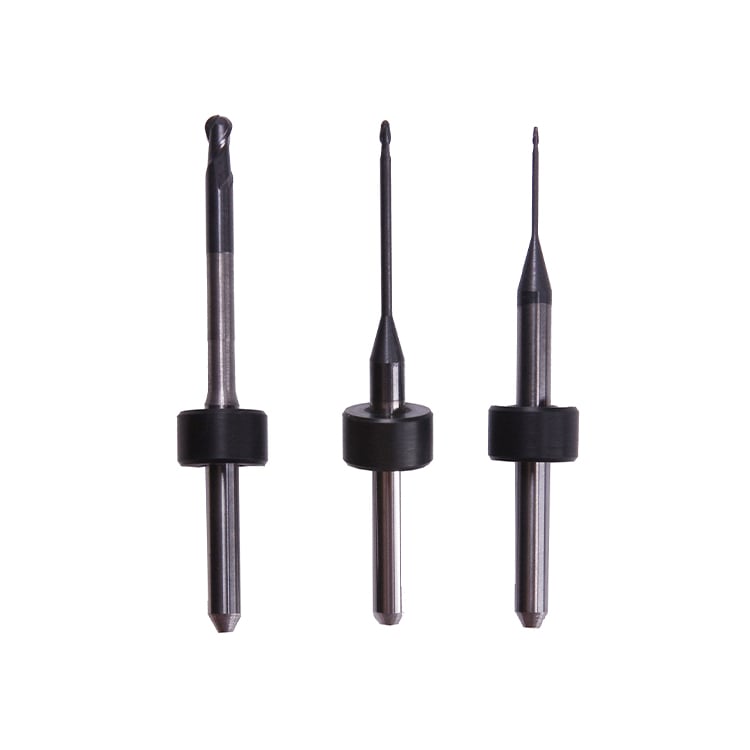
The decision to replace milling burs is not arbitrary or merely cost-driven. Rather, it reflects operational necessity rooted in material science, equipment design, and clinical outcomes. Worn milling burs compromise cutting accuracy, increase spindle stress, generate excessive heat, and ultimately lead to substandard restorations. Recognizing the signs of milling bur degradation and implementing a structured replacement schedule protects both investment and reputation.
How Milling Burs Degrade During Use
Mechanical Wear and Edge Degradation
Every milling bur experiences progressive mechanical wear from the moment it contacts the material being milled. Diamond-coated milling burs, ceramic milling burs, and carbide milling burs all suffer gradual dulling as abrasive contact removes microscopic amounts of cutting material. The cutting edge, however sharp initially, becomes rounded and uneven after countless passes through zirconia, composite, or metal substrates. This edge degradation is not visible to the naked eye until advanced, yet it fundamentally alters the cutting geometry and performance of milling burs.
Milling burs that have lost their edge no longer slice cleanly through material. Instead, they begin to peel, crush, or smear the surface rather than making precise cuts. This transition from cutting to crushing generates excessive heat, increases tool chatter, and produces surface irregularities that compromise restoration fit and aesthetics. Operators often do not realize their milling burs have degraded until quality issues appear in finished restorations.
Thermal and Chemical Stress
The friction generated between milling burs and workpiece material generates substantial heat, particularly at high spindle speeds typical of modern CAD-CAM milling units. Repeated thermal cycling weakens the bond between diamond coatings and carbide substrates in diamond milling burs. Chemical exposure from coolant fluid, cleaning solutions, and the byproducts of milling various materials can corrode or degrade the working surfaces of milling burs over time. These combined stressors accelerate the structural failure of milling burs beyond simple mechanical wear.
Why Regular Replacement Maintains Equipment and Quality
Protecting Milling Equipment Investment
Milling units represent significant capital investments for dental laboratories and practices. Spindles, bearings, and drive mechanisms are engineered to work with milling burs in good condition. Dull or worn milling burs force the spindle motor to work harder, increasing vibration, accelerating bearing wear, and raising operational temperatures. Over months of using degraded milling burs, cumulative stress shortens the lifespan of expensive milling equipment and increases maintenance costs. Regular replacement of milling burs is therefore a preventive maintenance strategy that protects the entire milling system.
When milling burs are kept sharp and in optimal condition, they cut cleanly with minimal spindle strain. The milling machine operates at designed efficiency, bearing wear remains predictable, and the risk of unexpected equipment failure decreases significantly. Operators who replace milling burs proactively report fewer spindle issues, longer equipment life, and more stable operational costs compared to those who delay replacement until catastrophic failure occurs.
Ensuring Consistent Restoration Quality
Patient satisfaction and clinical success depend on the precision and fit of milled restorations. Milling burs in poor condition produce rough surfaces, dimensional inaccuracies, and marginal irregularities that compromise fit and require manual adjustment or remake. Replacing milling burs on schedule ensures that every restoration produced meets tight tolerances and dimensional specifications. Quality consistency directly reflects back on the practice or laboratory reputation and reduces the incidence of clinical failures or patient complaints.
Laboratories that document milling bur replacement cycles and track quality metrics consistently report higher acceptance rates, fewer reworks, and better long-term clinical outcomes. This correlation is not coincidental. Fresh milling burs with sharp cutting edges produce superior surface finishes, tighter margins, and more predictable dimensions than worn tools, regardless of how carefully operators attempt to compensate through technique adjustments.
Implementing an Effective Replacement Schedule
Establishing Use-Based Replacement Intervals
The optimal replacement schedule for milling burs depends on multiple factors including the material being milled, spindle speed, cut depth, milling unit specifications, and the volume of milling performed. Diamond-coated milling burs typically retain effectiveness longer than uncoated carbide alternatives, yet all milling burs have finite functional lifespan. Manufacturers typically recommend replacing milling burs after a set number of operating hours or after processing a specific volume of material. Tracking milling bur usage through production logs or spindle hour meters enables data-driven replacement decisions rather than guesswork.
Some operations find that replacing milling burs more frequently than minimally recommended actually reduces total operational costs by eliminating rework and equipment strain. A laboratory processing high volumes of zirconia restorations may achieve superior economics by replacing milling burs every 50 operating hours rather than waiting for 150 hours of use. Similarly, practices doing lower volumes might extend replacement intervals longer. The key is monitoring actual performance metrics and adjusting the replacement schedule based on observed quality and equipment behavior rather than adhering rigidly to generic recommendations.
Visual Inspection and Performance Monitoring
Operators should visually inspect milling burs regularly for obvious signs of damage, coating loss, or excessive wear. Under magnification, a sharp milling bur displays a bright, uniform edge line, while a dulled milling bur appears dull and rounded. Performance monitoring involves observing cut quality, listening for unusual spindle sounds, measuring surface roughness on test restorations, and checking dimensional accuracy across consecutive milling cycles. When performance metrics begin to decline, this signals that milling burs are approaching end-of-life regardless of how many operating hours have elapsed.
Establishing a replacement protocol that combines manufacturer recommendations, performance data, and visual inspection creates a robust system for timing milling bur changes. This proactive approach prevents the frustration of discovering worn milling burs mid-production and ensures that equipment and operators perform consistently. Documentation of replacement dates, operating hours, and observed quality metrics also builds valuable institutional knowledge that refines future replacement decisions.
FAQ
How often should milling burs be replaced?
Replacement frequency depends on material type, spindle speed, and usage volume. Diamond-coated milling burs typically last 50–150 operating hours depending on cutting conditions. Uncoated carbide milling burs may require more frequent replacement. Track operating hours and monitor surface finish quality to establish your facility's optimal replacement interval. High-volume operations often benefit from replacing milling burs more frequently to maintain consistent quality and prevent equipment strain.
What happens if milling burs are not replaced regularly?
Worn milling burs produce rough, inaccurate surfaces, poor marginal fit, and dimensional errors that compromise restoration quality. Dull milling burs also force the milling spindle to work harder, increasing vibration, accelerating bearing wear, and raising temperatures. Continued use of degraded milling burs can damage expensive milling equipment, increase rework rates, reduce patient satisfaction, and ultimately increase operational costs despite temporary savings from delayed replacement.
Can worn milling burs be sharpened instead of replaced?
Most modern milling burs, particularly diamond-coated varieties, cannot be effectively resharpened without specialized equipment and expertise. Attempting to sharpen milling burs improperly can damage the cutting geometry irreversibly. For most dental operations, replacement is more economical, reliable, and practical than sharpening. The cost of replacement milling burs is offset by improved quality, reduced equipment strain, and elimination of failed resharpening attempts.