
 EN
EN
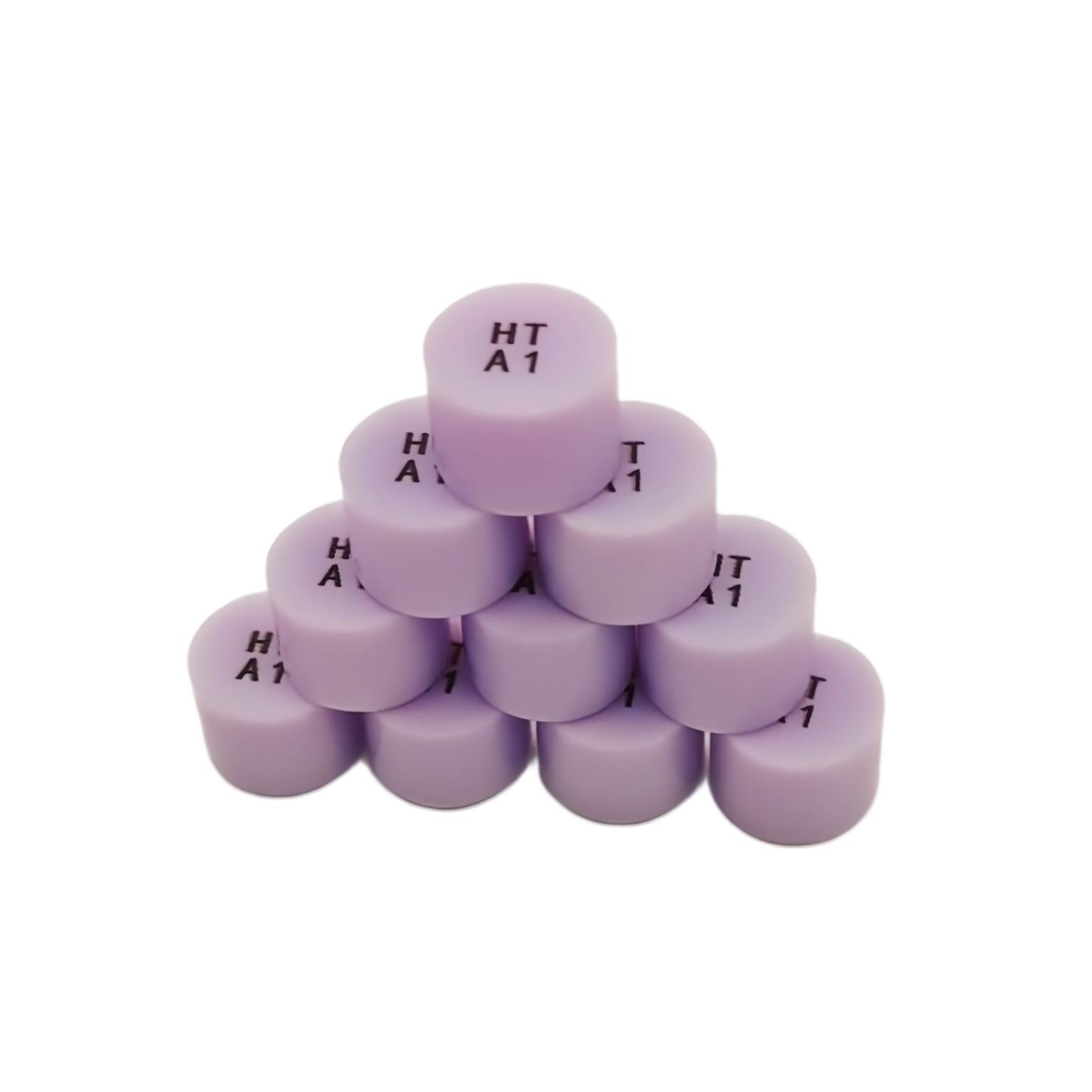
The precision of dental restoration depends heavily on how well materials adapt to tooth margins, and the dental press ingot represents a significant advancement in achieving superior marginal fit. Unlike traditional casting methods that can produce dimensional variations, dental press ingots are engineered to maintain consistency throughout the pressing process, resulting in restorations that seat precisely along the prepared tooth surface. Understanding why a dental press ingot delivers such exceptional margin adaptation requires examining the material properties, manufacturing precision, and thermal dynamics that distinguish this technology from alternative restorative materials.
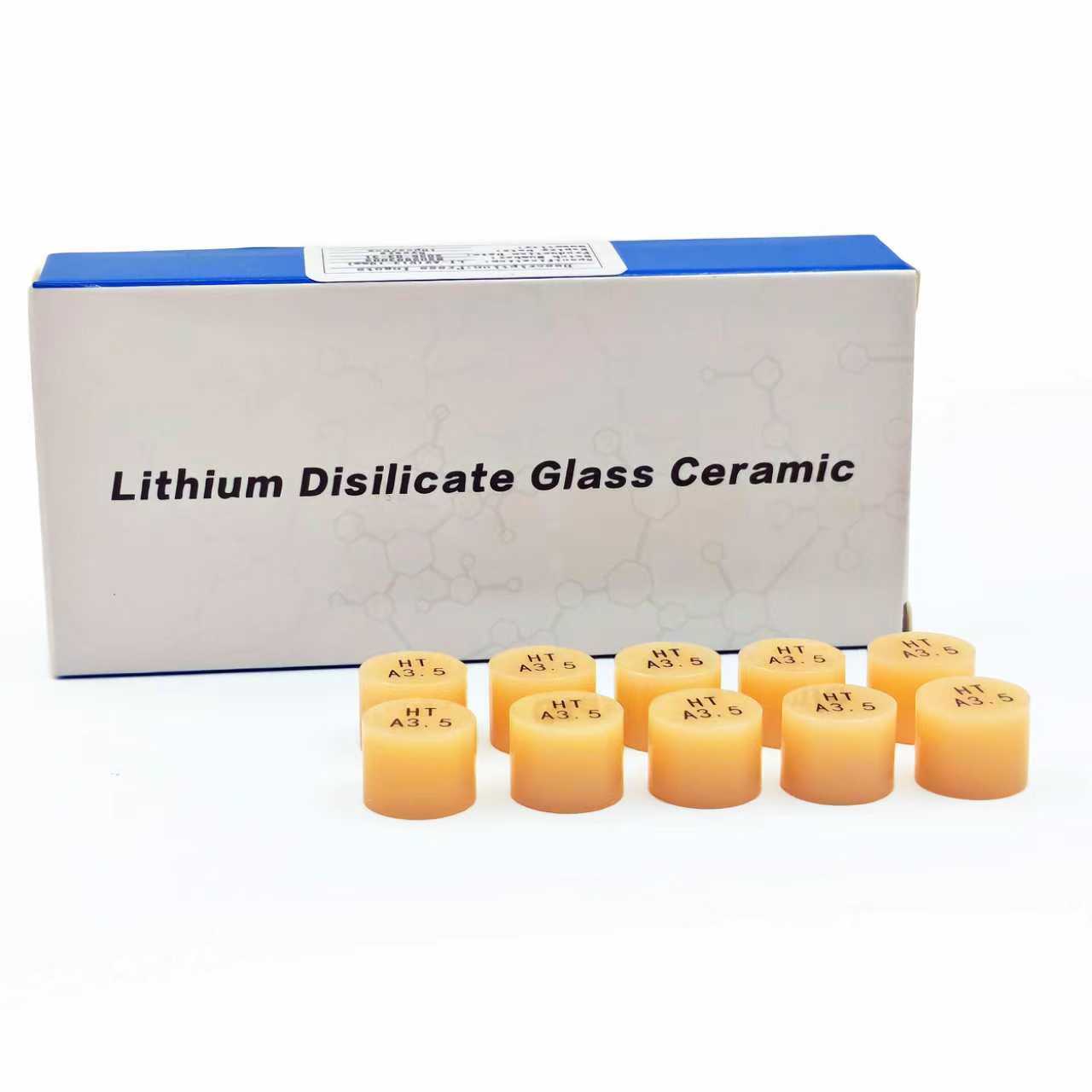
Margin fit is one of the most critical factors in long-term restoration success because even microscopic gaps can lead to secondary decay, restoration failure, and compromised aesthetics. The dental press ingot achieves excellent margin adaptation through its controlled crystalline structure and the high-pressure pressing mechanism that forces the material into intimate contact with the prepared margin geometry. This article explores the mechanical and material science foundations that explain why a dental press ingot consistently outperforms in marginal adaptation across diverse clinical scenarios.
Material Properties That Enable Superior Margin Fit
Crystalline Structure and Homogeneity
The dental press ingot begins with a carefully formulated alloy composition that ensures uniform crystalline structure when properly processed. During the ingot manufacturing phase, precise temperature control and cooling rates create a fine, homogeneous crystal matrix that resists deformation and maintains dimensional stability. This crystalline uniformity means that when a dental press ingot is heated and pressed into the restoration mold, the material flows consistently without weak points or internal stress concentrations that could cause micro-gaps or margin discrepancies.
Traditional casting methods rely on gravity and gravity-assisted pouring, which can introduce porosity, segregation, and uneven cooling patterns throughout the cast restoration. A dental press ingot avoids these inconsistencies because the ingot itself is manufactured in a controlled foundry environment, and then the pressing process applies consistent pressure from all directions. This two-stage quality control means that every restoration made from a dental press ingot inherits the ingot's dimensional precision and structural integrity.
Thermal Expansion Predictability
Margin discrepancies often arise from differential thermal expansion during the cooling phase after restoration fabrication. The dental press ingot exhibits predictable thermal expansion characteristics because its composition and crystal structure are standardized. When a dental press ingot is heated for pressing and then cooled within the mold, the thermal contraction occurs uniformly, minimizing the risk of margin opening or closure that could compromise the fit.
Laboratories can calculate and compensate for the thermal behavior of a dental press ingot with greater accuracy than they can with traditional casting alloys, where composition variables and casting defects introduce unpredictability. This predictable expansion pattern means the mold design and investment material selection can be optimized specifically for a dental press ingot, resulting in closer control of final margin dimensions.
The Pressing Mechanism and Precision Force Application
High-Pressure Conformity to Margin Geometry
The dental press ingot is inserted into a heated mold and pressed with controlled, uniform pressure that forces the softened alloy into every detail of the mold cavity. Unlike centrifugal or vacuum casting, where the alloy flows into the mold passively, the active pressing mechanism of a dental press ingot system ensures that the material reaches the margin line and conforms precisely to the margin geometry without voids or incomplete fill. This direct pressure application is particularly effective at capturing sharp internal line angles and thin wall sections that are often problematic in conventional casting.
The pressing force used in conjunction with a dental press ingot is calibrated to be sufficient for complete flow without being excessive, which could distort the mold or create internal stress. This controlled force delivery means the final restoration emerges from the mold with margins that match the mold preparation at the micrometer level, rather than having the dimensional tolerance spread of traditional casting.
Elimination of Casting Defects
Common casting defects such as sand inclusions, gas porosity, shrink holes, and misruns create surface irregularities and dimensional variations that compromise margin fit. Because a dental press ingot is pressed rather than cast, the risk of these defects is substantially reduced. The pressing process does not introduce air into the restoration as it is forced into the mold, and the ingot material itself has already been refined and tested before being integrated into the restoration fabrication workflow.
This defect elimination means that margins fabricated from a dental press ingot are less likely to exhibit the microscopic roughness or dimensional variation associated with casting porosity. Smoother, more consistent margins result in better adaptation to the tooth preparation and reduced microleakage at the restoration-tooth interface.
Precision Investment and Mold Compatibility
Optimized Investment Material Selection
The unique characteristics of a dental press ingot have led to the development of investment materials specifically formulated to work with this technology. These specialized investment materials are designed to withstand the high pressures and controlled heating cycles used when processing a dental press ingot. The result is a mold that maintains its dimensional accuracy and surface detail reproduction throughout the pressing cycle, ensuring that the pressed restoration preserves the exact margin contours specified in the original design.
Laboratories that work with a dental press ingot system can select investment formulations that provide optimal balance between thermal stability, surface detail fidelity, and mold strength. This tailored approach means the mold itself contributes to superior margin fit because it remains dimensionally stable and accurately reproduces the margin preparation geometry.
Burnout and Temperature Control Precision
The burnout process removes the wax pattern from the investment mold, and careful temperature management during this phase is essential for preserving mold dimensional accuracy. A dental press ingot system benefits from burnout schedules that have been refined specifically for this technology, ensuring that the mold cavity remains true to design after the wax removal process. The heating schedule for pressing a dental press ingot is also precisely controlled, reducing thermal shock and mold distortion that could otherwise introduce margin fit errors.
This integration of a dental press ingot with optimized burnout and pressing temperature protocols creates a complete workflow designed to maximize dimensional consistency from mold to final restoration. Margin fit improves measurably when every process step is calibrated for the specific properties of the dental press ingot.
FAQ
How does a dental press ingot compare to traditional casting in terms of margin fit?
A dental press ingot achieves superior margin fit compared to traditional casting because it uses active pressure instead of passive gravity flow, resulting in complete and uniform mold fill, elimination of common casting defects like porosity and voids, and more predictable thermal contraction. Traditional casting relies on gravitational and centrifugal forces, which can leave thin areas at margins unfilled and introduce defects that compromise dimensional accuracy. The dental press ingot process is also supported by specialized investment materials and burnout schedules that are optimized for this technology, further improving margin precision.
Can margin fit improve if I switch to using a dental press ingot system?
Yes, many laboratories report measurable improvements in margin fit when transitioning from traditional casting to a dental press ingot system. The improvements stem from the superior homogeneity of the ingot material itself, the complete and uniform pressure application during pressing, and the reduction of casting defects. Additionally, a dental press ingot enables more predictable restoration dimensions because the material behavior and thermal characteristics are standardized, allowing technicians to refine their mold and investment parameters for consistently better results. Clinical studies have documented reduced microleakage and improved restoration longevity with restorations fabricated from a dental press ingot.
What role does investment material play in achieving good margin fit with a dental press ingot?
Investment material is critical because it must withstand the high pressing pressures and maintain dimensional stability throughout the heating, pressing, and cooling cycles specific to a dental press ingot system. Specialized investment formulations developed for dental press ingot technology provide superior detail reproduction, thermal stability, and mold strength compared to traditional casting investments. The mold created by these materials preserves the precise margin geometry throughout the fabrication process, directly contributing to the superior margin fit that a dental press ingot system delivers. Selecting the correct investment material for your specific dental press ingot system is essential for realizing the full potential of this technology.