
 EN
EN
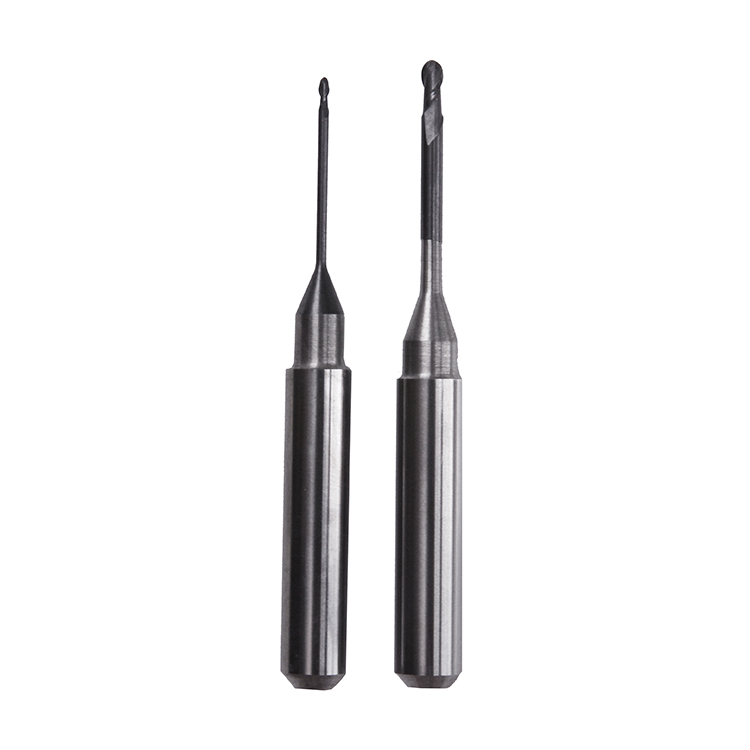
Milling burs are essential rotary cutting tools used across dental laboratories, dental offices, and industrial manufacturing environments. Understanding the shank sizes available for milling burs is critical for selecting the right tool for your specific application, ensuring compatibility with your milling machine, and achieving optimal cutting performance. Shank size directly impacts how milling burs fit into your equipment, how much vibration occurs during operation, and ultimately how well your milling burs perform during the cutting process.
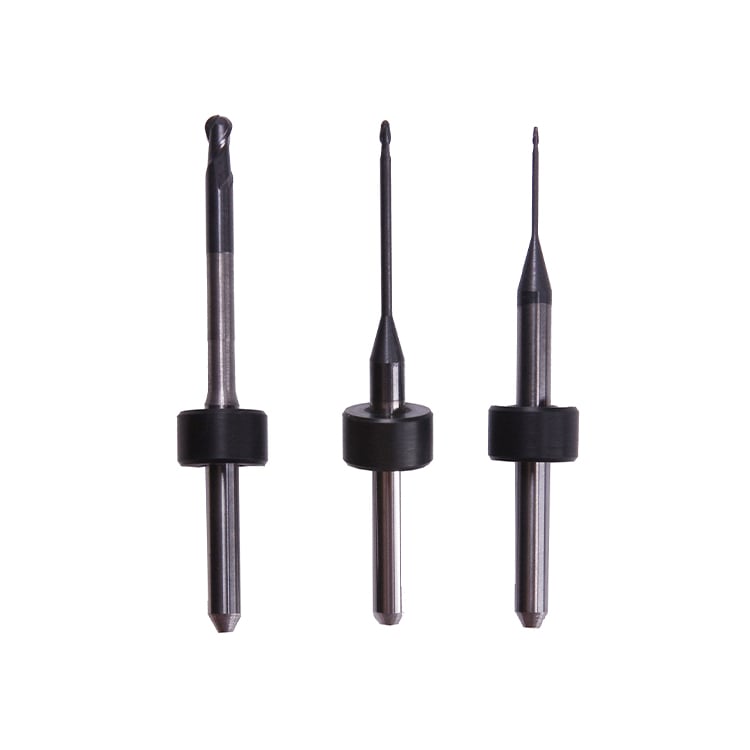
The shank is the non-cutting portion of the tool that connects your milling burs to the spindle or collet of your milling machine. Different dental and industrial milling systems require different shank diameters and lengths. Selecting milling burs with the correct shank size ensures safe operation, minimizes tool runout, reduces vibration, and protects your equipment from potential damage. This comprehensive guide explains the standard shank sizes for milling burs, how they vary across applications, and what factors should influence your selection.
Standard Shank Sizes for Milling Burs
Common Shank Diameter Specifications
Most dental and laboratory milling burs follow standardized shank diameter specifications to ensure broad equipment compatibility. The most prevalent shank sizes for milling burs are 1.6mm, 2.35mm, and 3.175mm in diameter. The 1.6mm shank is commonly used in high-speed dental handpieces and smaller precision milling machines where space is limited. Milling burs with 2.35mm shanks represent the industry standard for many computer numerical control machines and mid-range dental milling systems. The 3.175mm shank diameter, also known as one-eighth inch, is typically found in larger industrial milling applications and conventional machine tools. Selecting milling burs with the correct shank diameter ensures they will fit securely into your machine's collet without requiring adapters or modifications.
Shank Length and Overall Tool Geometry
Beyond diameter, the total length of milling burs affects how they perform during machining operations. Standard milling burs typically measure between 40mm and 60mm in overall length, with the shank portion comprising roughly 30 to 40 percent of that total length. Longer shanked milling burs provide greater reach for deep cutting operations, while shorter shanks reduce overhang and minimize vibration during high-speed cutting. The relationship between shank length and cutting head dimensions directly influences how much material your milling burs can remove per pass and how stable they remain during operation. Understanding these geometric relationships helps ensure your milling burs will perform reliably within your specific equipment constraints.
How Shank Size Impacts Milling Performance
Machine Compatibility and Spindle Requirements
The shank size of your milling burs must precisely match your machine's spindle and collet system to ensure safe, accurate operation. When milling burs have the wrong shank diameter, they may slip during operation, cause excessive runout, or even damage your equipment's spindle. Dental milling machines, CAD/CAM systems, and CNC mills each specify which shank sizes their spindles accommodate. High-speed dental milling units typically require smaller diameter shanks to fit their precision collets, while industrial mills often use larger standard shank sizes. Before purchasing milling burs, verify your machine's spindle specifications and collet compatibility to avoid costly equipment mismatches or operational problems.
Vibration Reduction and Cut Quality
Proper shank sizing directly affects vibration levels during cutting, which in turn influences the surface finish and precision of your finished work. Milling burs with appropriately sized shanks fit snugly into their collets, minimizing lateral movement and chatter. When shank diameter is too small or the collet is worn, milling burs can vibrate excessively, causing tool breakage, poor surface quality, and dimensional inaccuracy in your milled components. Oversized shanks that force fit into undersized collets can damage spindle equipment and create dangerous operating conditions. The relationship between shank size, collet condition, and cutting speed determines how effectively your milling burs will cut and how long they will maintain their sharp cutting edges.
Selecting the Right Shank Size for Your Application
Dental Laboratory and Chair-Side Milling
Dental applications present unique requirements for milling burs shank selection. Chair-side milling units and dental laboratory milling machines typically use 1.6mm or 2.35mm shanks, depending on the specific equipment manufacturer. Dental professionals must consult their milling machine documentation to identify the correct shank size for their milling burs. Using the wrong shank size in a dental milling unit can result in tool slippage during crown or bridge preparation, compromising restoration fit and patient safety. Dental laboratory technicians working with precision milling systems should verify shank compatibility with each machine model, as different manufacturers often employ different spindle standards.
Industrial Manufacturing and CNC Applications
Industrial milling burs for CNC machines, conventional mills, and production environments typically feature 2.35mm, 3.175mm, or larger shank diameters depending on machine capability and cutting requirements. Production shops often stock multiple shank sizes to accommodate different machine tools and allow flexibility in tool selection for various jobs. Larger shank diameters provide better rigidity for aggressive cutting operations and heavy material removal, while smaller shanks may be necessary for precision work on machines with limited spindle bore capacity. Industrial operations must maintain proper collet maintenance and replacement schedules to ensure milling burs remain secure and perform consistently. Understanding your CNC machine's maximum spindle speed and shank load capacity helps determine whether larger diameter shanks will provide adequate performance or if smaller shanks are more appropriate.
FAQ
What are the three most common milling burs shank sizes?
The three most widely used shank diameters for milling burs are 1.6mm, 2.35mm, and 3.175mm. The 1.6mm shank fits high-speed dental handpieces and small precision mills, the 2.35mm shank is the industry standard for many CAD/CAM and CNC systems, and the 3.175mm shank is common in larger industrial milling machines. Your specific equipment will determine which shank size your milling burs must have.
Can I use an adapter to fit milling burs with the wrong shank size into my machine?
While adapters exist for some shank size conversions, they are generally not recommended for precision milling applications. Adapters introduce additional runout, increase vibration, reduce rigidity, and can damage your spindle equipment. For optimal performance and safety, always use milling burs with shank sizes that exactly match your machine's collet specifications rather than relying on adapters.
How do I know which shank size milling burs my machine requires?
Consult your milling machine's user manual or technical documentation to find the spindle and collet specifications. Most equipment manufacturers clearly specify the shank sizes their milling burs must have. You can also contact your machine manufacturer directly, measure your current collet bore diameter, or examine existing tools already in use with your equipment to determine the correct shank size for your milling burs.