dental firing paste for zirconia
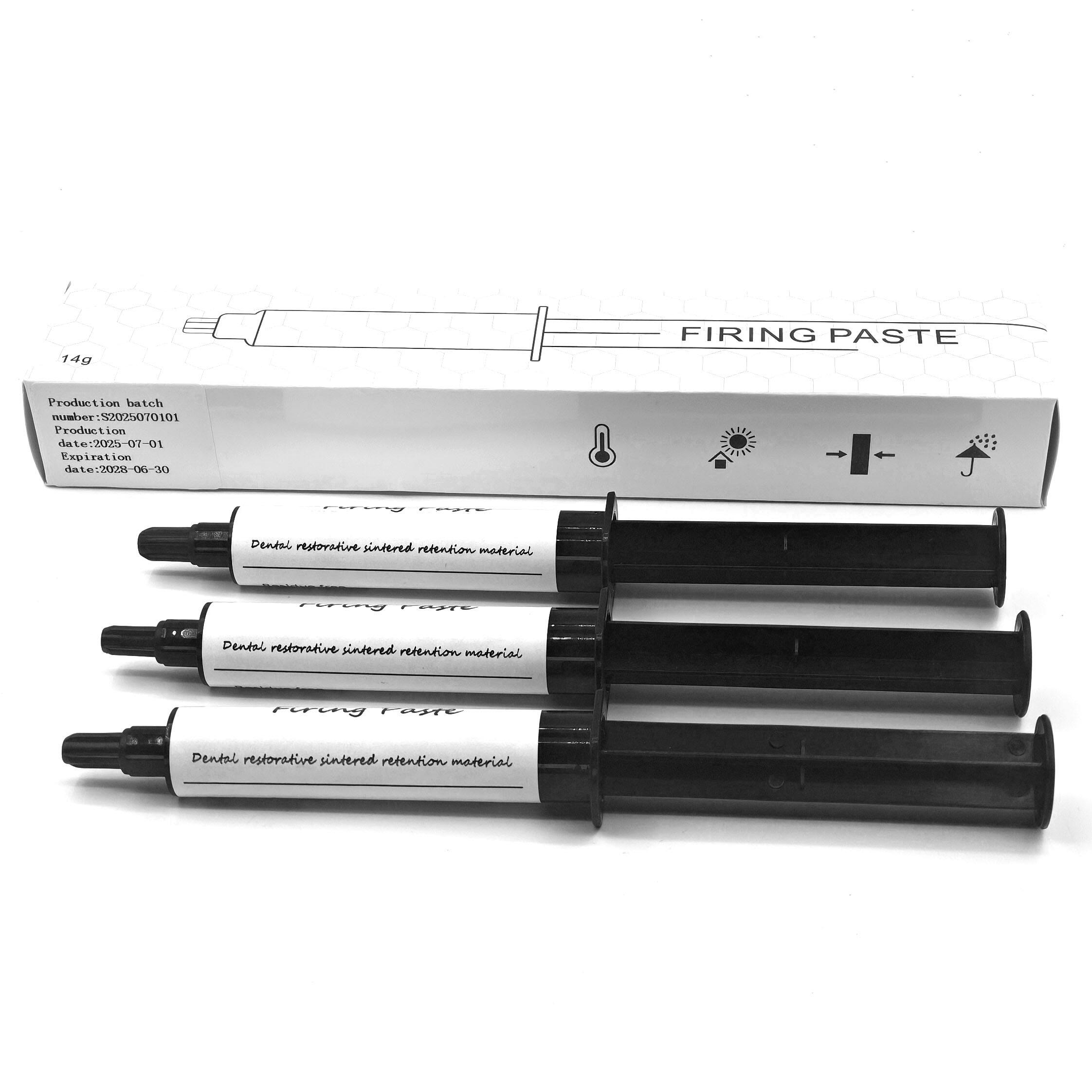
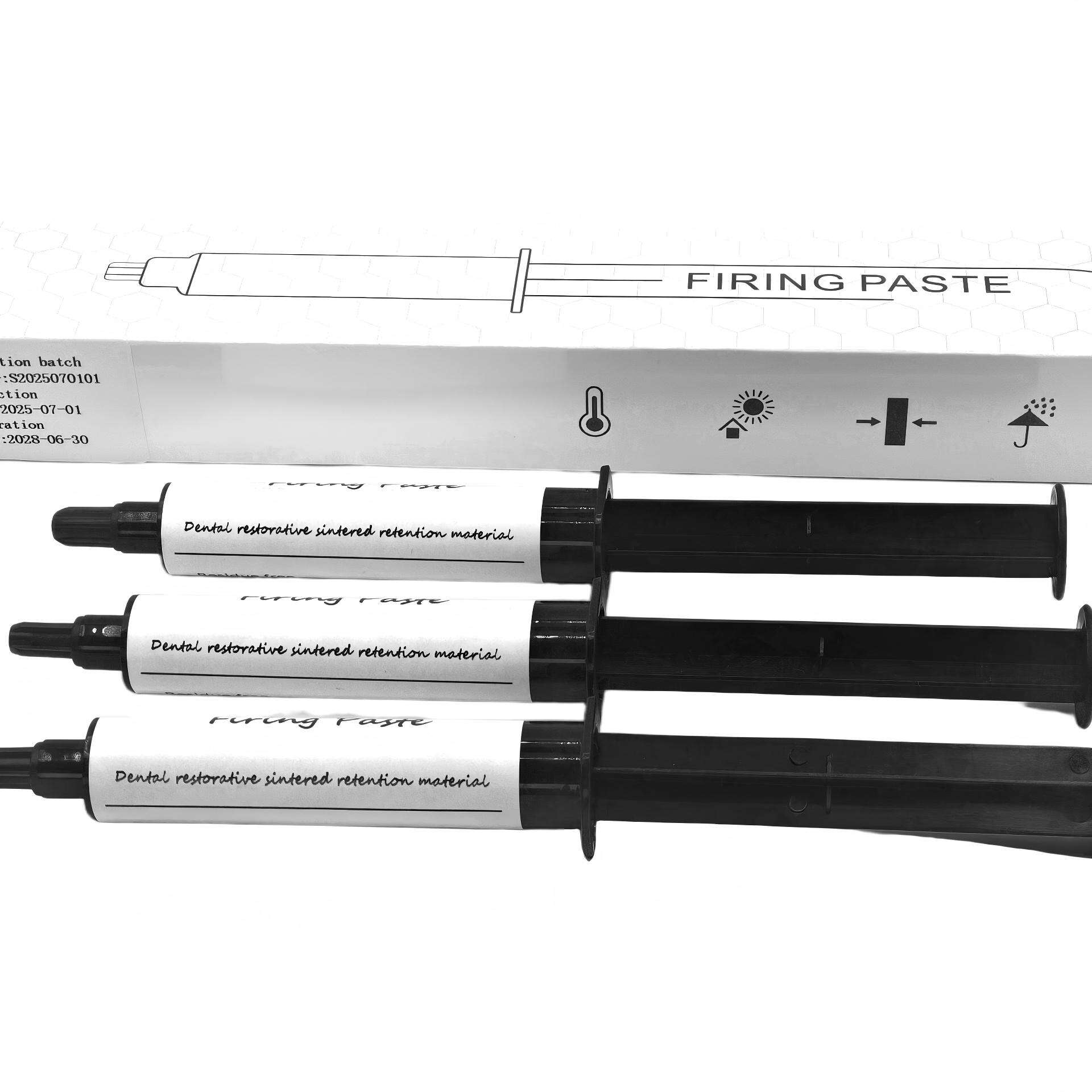
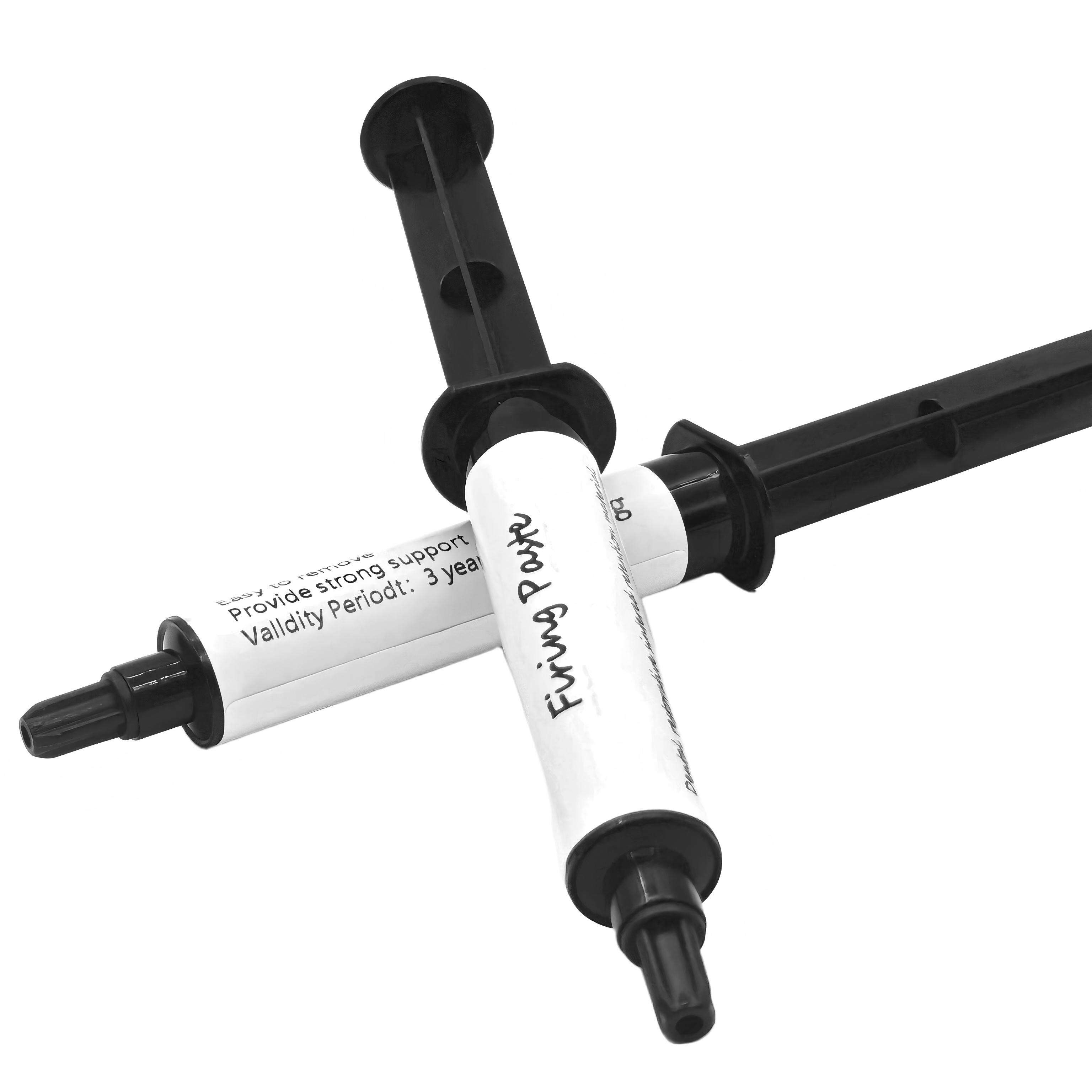
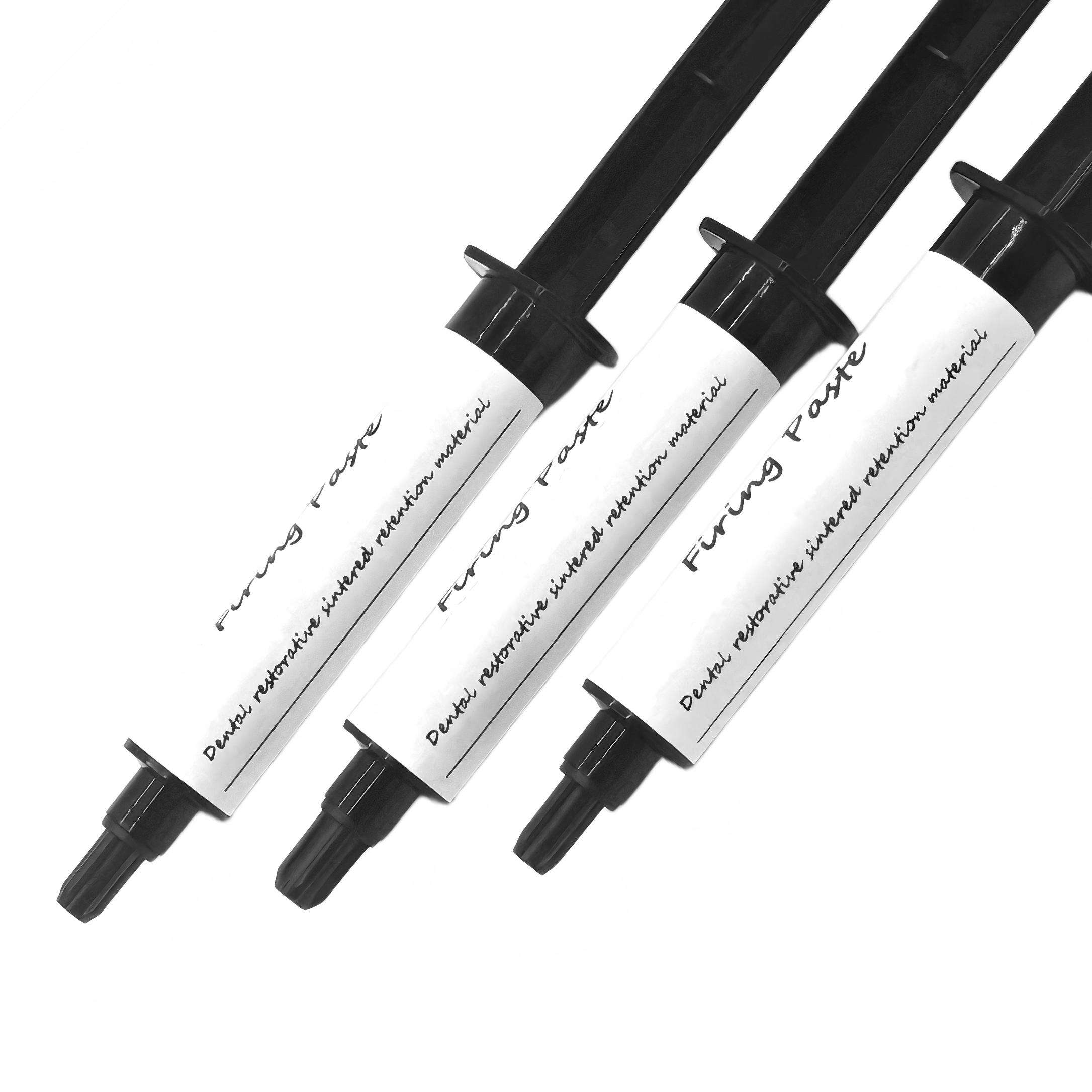
Dental firing paste for zirconia represents a crucial advancement in modern restorative dentistry, serving as an essential component for creating high-quality ceramic restorations. This specialized material functions as a bonding and stabilizing medium during the sintering process of zirconia crowns, bridges, and other prosthetic devices. The primary function of dental firing paste for zirconia involves providing optimal support and positioning for ceramic restorations throughout the firing cycle, ensuring precise dimensional stability and preventing distortion during high-temperature processing. This innovative paste incorporates advanced ceramic compounds that withstand extreme temperatures while maintaining structural integrity. The technological features of dental firing paste for zirconia include exceptional thermal resistance, precise viscosity control, and compatibility with various zirconia formulations. The paste exhibits superior adhesion properties, creating a reliable foundation that prevents movement or shifting during the critical firing stages. Its formulation includes carefully balanced ceramic particles that expand and contract at rates compatible with zirconia, minimizing stress and potential cracking. The applications of dental firing paste for zirconia extend across multiple areas of restorative dentistry, including crown fabrication, bridge construction, implant abutments, and complex multi-unit restorations. Dental laboratories utilize this paste to secure zirconia restorations on firing trays, ensuring consistent results and reducing the risk of costly remakes. The paste also facilitates batch processing, allowing technicians to fire multiple restorations simultaneously while maintaining individual piece integrity. Modern dental firing paste for zirconia formulations incorporate eco-friendly components and produce minimal residue, simplifying post-firing cleanup procedures. The material's consistency ensures uniform heat distribution, contributing to predictable shrinkage patterns and enhanced final restoration quality.

 EN
EN