
 EN
EN
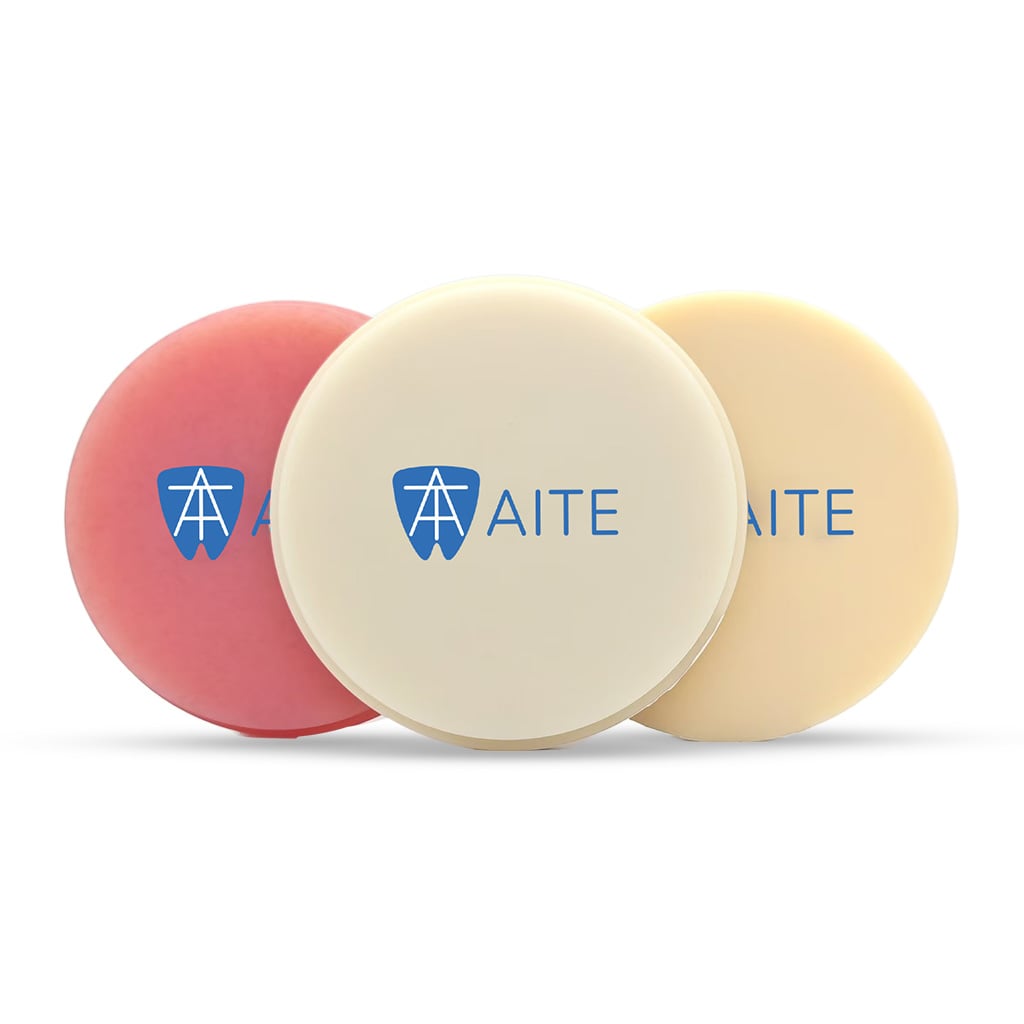
Provisional restorations serve a critical role in restorative dentistry, protecting prepared teeth and maintaining patient comfort during the fabrication of final prosthetics. The material chosen for these interim solutions directly impacts clinical outcomes, patient satisfaction, and treatment success. Dental PMMA has emerged as the gold standard for long provisional applications because of its exceptional combination of strength, esthetics, and biocompatibility. Understanding how dental PMMA supports extended provisional wear helps clinicians make informed decisions that optimize both functional and esthetic results across diverse restorative cases.
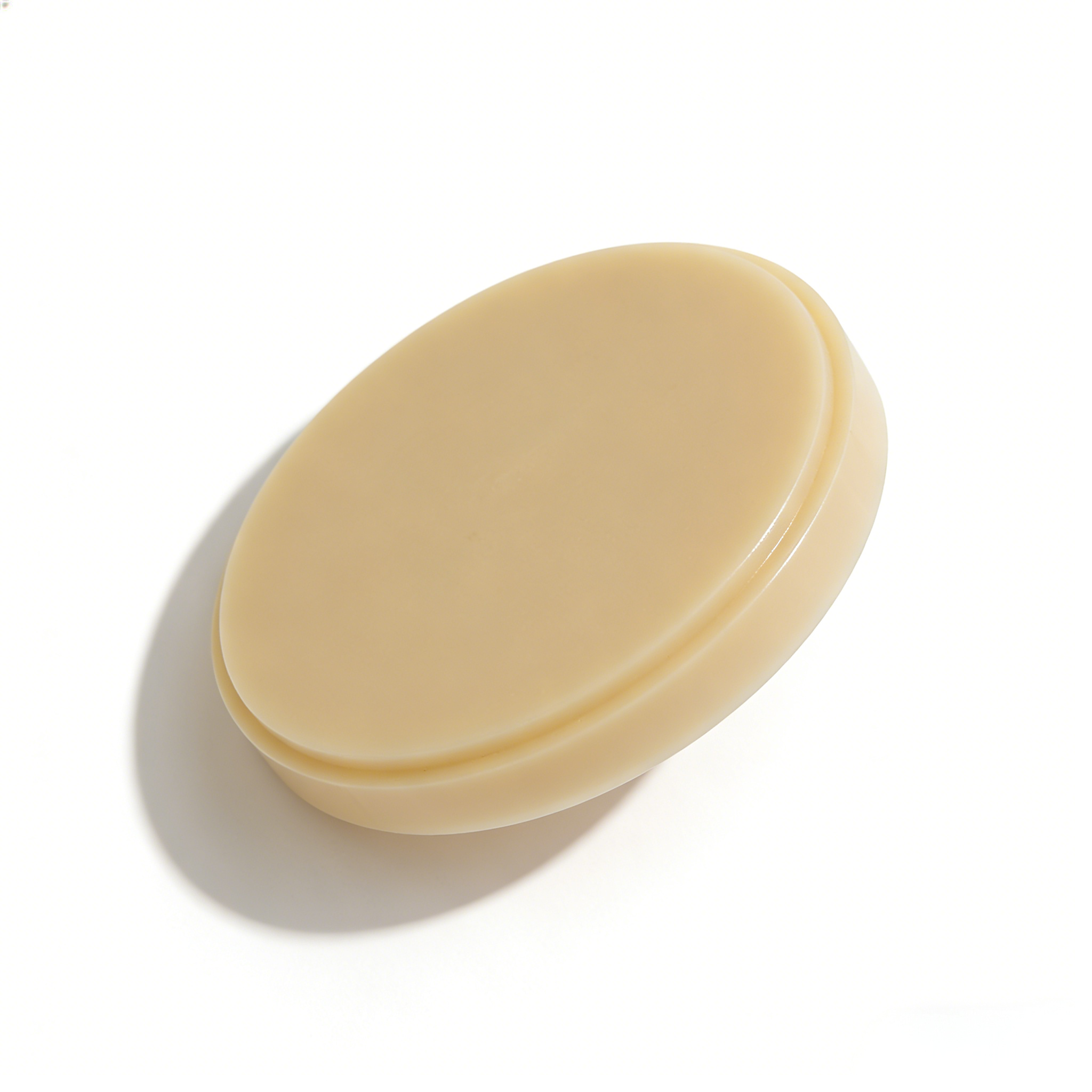
Dental PMMA (polymethyl methacrylate) is a thermopolymer that combines structural integrity with the ability to be milled or layered to precise specifications. Unlike conventional acrylic or composite provisional materials, dental PMMA offers superior dimensional stability and reduced monomer leaching over extended wear periods. This makes dental PMMA particularly valuable when provisional restorations must remain in service for weeks or months, such as in cases requiring bone regeneration, implant osseointegration, or complex multi-unit rehabilitation. The material's proven clinical track record and favorable tissue response have positioned it as the preferred choice for demanding provisional scenarios.
Mechanical Strength and Durability
Load Resistance in Daily Function
Dental PMMA exhibits superior compressive and flexural strength compared to conventional provisional acrylics, enabling it to withstand the cyclic loading and mastication forces encountered during long-term wear. This mechanical resilience prevents fracture, marginal breakdown, and material fatigue that commonly plague weaker provisional materials. When dental PMMA is used for long provisionals, the material maintains structural integrity even under demanding functional loads, reducing the need for emergency repairs or replacements. Clinical studies consistently demonstrate that dental PMMA demonstrates minimal wear rates and excellent resistance to impact stress over six-month and longer provisional periods.
Reduced Repair Frequency
Long provisional restorations fabricated from dental PMMA require significantly fewer emergency adjustments, repairs, or remakes compared to other provisional materials. The dimensional stability of dental PMMA ensures that fit and retention remain consistent throughout the provisional phase, minimizing chair time and patient frustration. Because dental PMMA resists warping, shrinkage, and stress-induced fractures, clinicians can confidently place these restorations with the expectation of reliable performance until final prosthetics are delivered. This predictability translates directly into lower overall treatment costs and improved patient compliance with extended provisional protocols.
Esthetic Integration and Tissue Response
Natural Appearance and Customization
Dental PMMA can be precisely milled, tinted, and layered to achieve esthetic characteristics that closely match adjacent natural dentition and restore patient confidence during the provisional phase. The material's translucency, surface texture, and color stability allow for superior esthetic outcomes compared to basic provisional acrylics. Advanced dental PMMA formulations support multi-layer construction, enabling the fabrication of restorations with natural-looking dentin and enamel characterization. When patients wear dental PMMA long provisionals, they experience improved self-image and quality of life, which supports treatment acceptance and compliance throughout the restorative journey.
Biocompatibility and Soft Tissue Health
Dental PMMA exhibits excellent biocompatibility with oral soft tissues, generating minimal inflammatory response even during extended contact periods. The material's low leaching of unreacted monomers—compared to conventional provisional acrylics—reduces tissue irritation, gingivitis risk, and adverse reactions during long-term wear. This biocompatibility advantage is particularly critical when provisional restorations remain in place for several months, as cumulative monomer exposure from inferior materials can compromise periodontal health and compromise the final restoration's marginal fit. Dental PMMA long provisionals consistently support healthy tissue responses, creating an optimal biological environment for the subsequent definitive restoration.
Clinical Applications and Implementation
Multi-Unit Bridge and Implant Abutments
Dental PMMA is the material of choice for extended provisional bridge restorations and implant-supported abutments that must maintain function for months while bone integration or final restoration fabrication occurs. When dental PMMA is milled using CAD/CAM technology, clinicians achieve precise margins, optimal occlusal anatomy, and retention characteristics that ensure clinical success throughout the provisional phase. The strength and dimensional stability of dental PMMA allow these complex multi-unit restorations to maintain marginal integrity, occlusal contacts, and phonetic function without degradation. Implant specialists rely on dental PMMA long provisionals to protect newly placed implants while allowing functional loading protocols and bone maturation to proceed without compromising treatment outcomes.
Esthetic Zone Anterior Provisionals
For anterior esthetic zones requiring long provisional coverage, dental PMMA offers superior esthetic reproduction and material stability compared to temporary acrylics. The ability to achieve highly customized color, translucency, and surface characterization makes dental PMMA ideal for cases where patients must maintain professional appearance during extended provisional wear. Dental PMMA long provisionals in anterior regions demonstrate excellent resistance to staining, discoloration, and surface degradation from dietary exposure and oral hygiene practices. This esthetic stability is critical for patient satisfaction and compliance, particularly when provisional periods extend beyond the typical two-week timeframe.
Complex Rehabilitation Cases
In comprehensive prosthodontic rehabilitation involving multiple teeth or complex smile redesigns, dental PMMA serves as the ideal provisional material because it maintains its properties and esthetics throughout extended treatment phases. When dental PMMA is selected for long provisionals in these demanding cases, clinicians can focus on definitive treatment planning, bone healing, and final restoration design without worrying about provisional material failure or compromise. The predictable performance of dental PMMA long provisionals enables phased treatment approaches that optimize outcomes while managing patient expectations throughout complex restorative protocols. Prosthodontists consistently choose dental PMMA for these cases because of its proven reliability and superior material characteristics during prolonged provisional service.
FAQ
What makes dental PMMA superior to conventional acrylic for long provisionals?
Dental PMMA provides superior mechanical strength, dimensional stability, and reduced monomer leaching compared to conventional provisional acrylics, making it ideal for extended wear periods. The material resists fracture, warping, and marginal breakdown better than temporary acrylics, resulting in fewer repairs and better long-term outcomes. Additionally, dental PMMA exhibits excellent biocompatibility, supporting healthy tissue response throughout months-long provisional phases that conventional materials cannot reliably support.
How long can dental PMMA provisionals safely remain in place?
Dental PMMA long provisionals can safely function for six months or longer depending on clinical conditions, patient compliance with oral hygiene, and the specific functional demands of the restoration. The material's inherent strength and stability allow clinicians to confidently place dental PMMA provisionals that will maintain marginal fit, retention, and structural integrity throughout extended provisional phases. Clinical success depends on proper fabrication technique, appropriate margin design, and routine monitoring, but dental PMMA's material properties support reliable performance far beyond standard two-week provisional timelines.
Can dental PMMA provisionals be easily adjusted or repaired?
Yes, dental PMMA can be adjusted, polished, and repaired efficiently in the clinical environment using standard dental equipment and techniques. Because dental PMMA is thermally activated and can be reheated, minor adjustments and additions are straightforward, allowing clinicians to optimize fit and function without remaking the restoration. However, the superior durability of dental PMMA means that major repairs or remakes are rarely necessary during the provisional phase, reducing the need for frequent clinical intervention compared to weaker provisional materials.