
 EN
EN
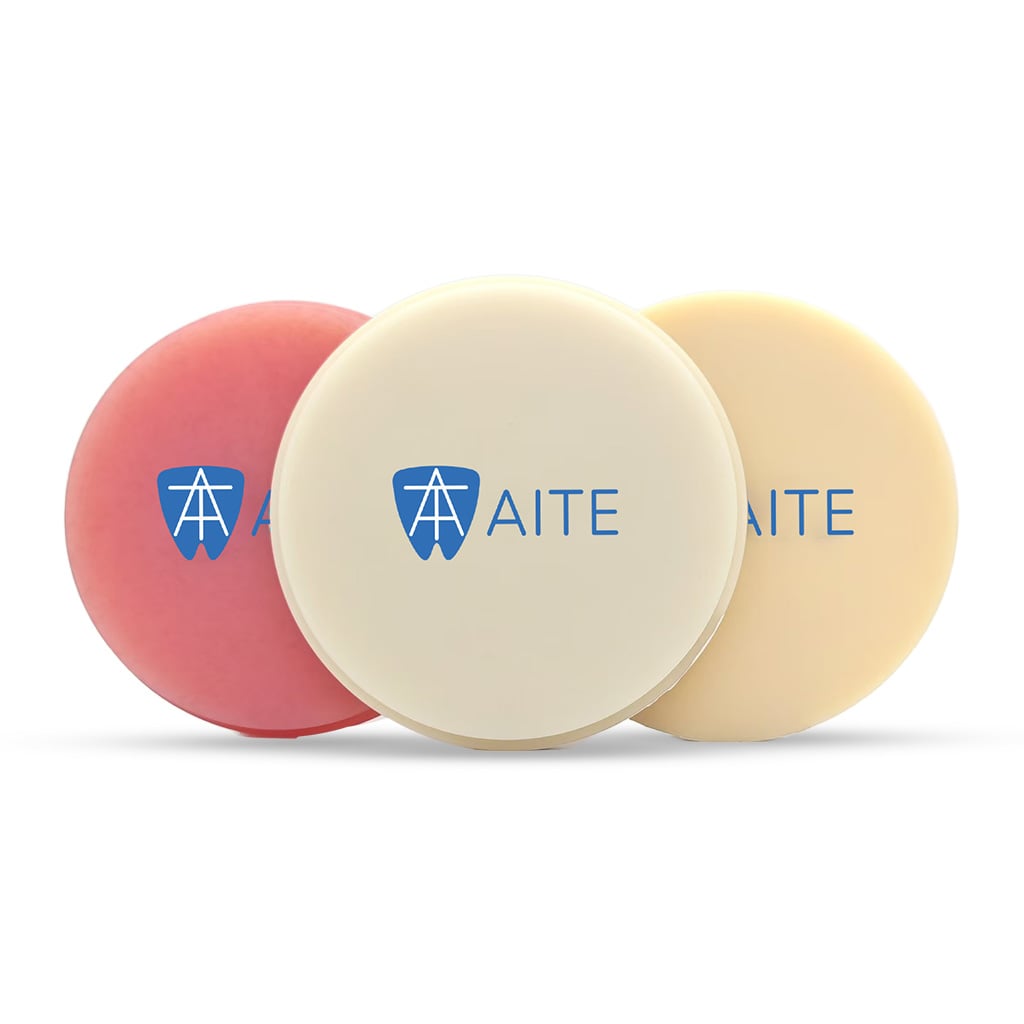
Selecting the right material for dental prosthetics is a critical decision that directly impacts patient outcomes, laboratory efficiency, and clinical success. Dental PMMA and milled wax represent two distinct approaches to restorative dentistry, each with unique advantages and limitations. Understanding the differences between dental PMMA and milled wax enables clinicians and laboratory technicians to make informed choices aligned with specific clinical scenarios, budget constraints, and quality expectations. This guide explores the fundamental characteristics, applications, and decision-making framework for choosing between these two materials.
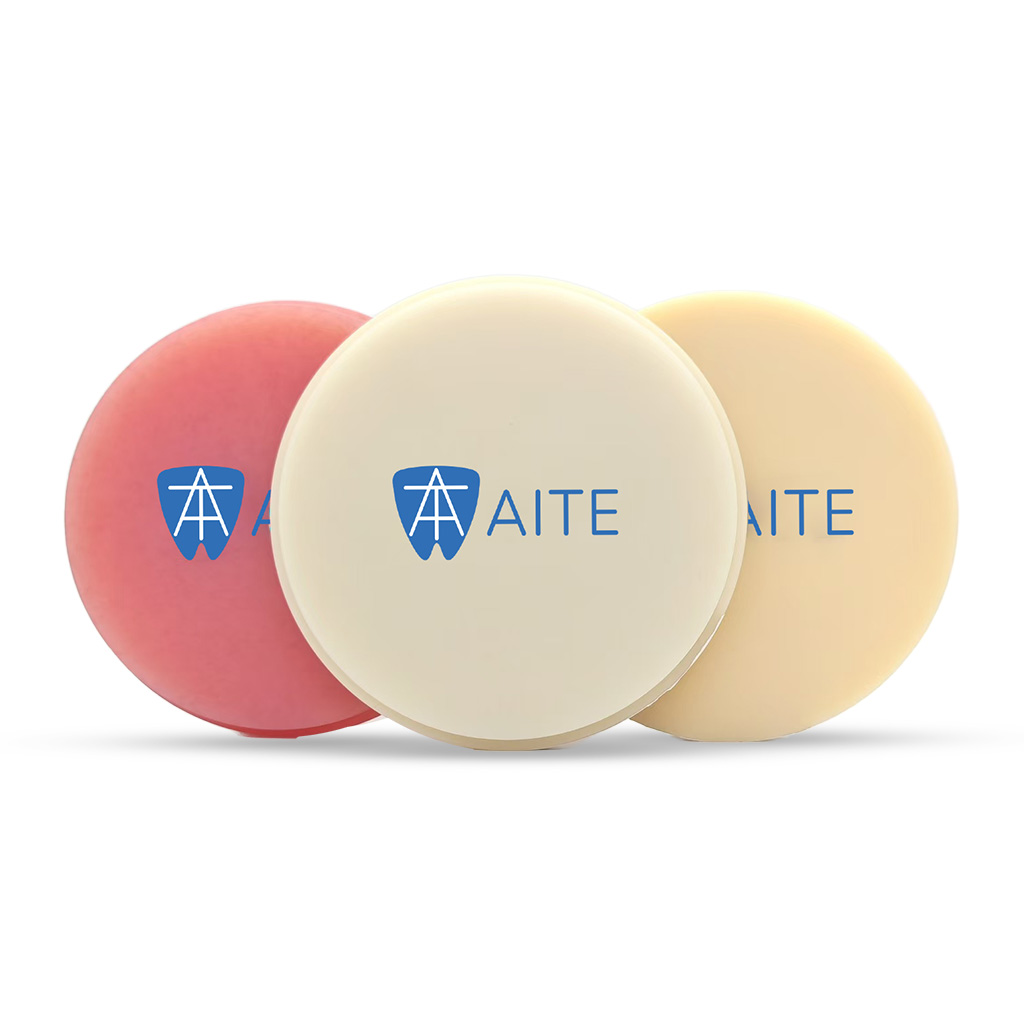
Both dental PMMA and milled wax serve essential roles in modern prosthodontics, yet they function within different workflows and manufacturing paradigms. Dental PMMA, a thermoplastic resin material, offers dimensional stability and long-term durability for provisional and definitive restorations. Milled wax, conversely, provides exceptional accuracy for lost-wax casting techniques and serves as a intermediary material in subtractive manufacturing processes. The choice between dental PMMA and milled wax depends on restoration type, clinical timeline, precision requirements, and cost-effectiveness considerations.
Understanding Dental PMMA Composition and Performance
Material Structure and Physical Properties
Dental PMMA, or polymethyl methacrylate, is a lightweight acrylic polymer engineered for dental applications. The material exhibits excellent biocompatibility, making it safe for extended intraoral contact. Dental PMMA maintains superior dimensional stability over time, resisting warping and distortion even under varying oral temperature and humidity conditions. This chemical stability ensures that restorations fabricated from dental PMMA retain their fit and function for years, reducing the need for frequent adjustments or replacements.
Clinical Applications of Dental PMMA
Dental PMMA excels in provisional crown and bridge applications, where temporary restorations require strength and esthetic appeal. The material accommodates chairside adjustments and polishing, making it ideal for immediate temporization. Additionally, dental PMMA serves as the foundation material for many denture bases and removable partial dentures, where long-term wear resistance and ease of repair are essential. Complex cases involving multiple teeth often benefit from dental PMMA's versatility and rapid fabrication capacity.
Exploring Milled Wax Advantages and Constraints
Precision and Manufacturing Capabilities
Milled wax represents a subtractive manufacturing technology wherein wax blocks are precisely machined using computer numerical control systems. This process delivers exceptional dimensional accuracy, often within microns of the designed specification. Milled wax integrates seamlessly into digital workflows, connecting intraoral scanners, CAD software, and milling equipment into a unified production chain. The precision inherent to milled wax enables creation of single-tooth restorations and complex multi-unit cases with minimal manual adjustment required.
Lost-Wax Casting Integration
Milled wax serves as the ideal intermediate material for lost-wax casting techniques, where the wax pattern is invested and burnout occurs prior to alloy casting. Unlike direct wax patterns hand-sculpted by technicians, milled wax patterns maintain consistent geometry and eliminate human variability. This consistency reduces defect rates and improves casting success rates substantially. Milled wax also accommodates complex internal geometries and margin refinements that manual wax sculpting cannot achieve reliably, making it particularly valuable for high-precision restorations.
Comparative Analysis: Dental PMMA versus Milled Wax
Durability, Cost, and Clinical Timeline
Dental PMMA demonstrates superior longevity for long-term prosthetic service, particularly in definitive applications where the restoration remains in function for multiple years. The material resists color degradation and maintains mechanical properties without significant deterioration. However, milled wax excels in efficiency and precision-to-cost ratio when immediate fabrication is unnecessary. Milled wax restorations, particularly when cast into precious alloys, exhibit exceptional longevity rivaling dental PMMA in appropriate clinical contexts. The choice hinges on whether the restoration serves as a temporary interim solution or a definitive restoration.
Material Selection Decision Framework
Select dental PMMA when immediate provisional restorations are required, when chairside adjustment capability is essential, or when denture bases and removable prosthetics are involved. Dental PMMA accommodates rapid turnaround and allows clinicians to refine margins and contours intraorally without returning to the laboratory. Choose milled wax when digital precision is paramount, when lost-wax casting will follow, or when single-tooth restorations demand microscopic accuracy. Milled wax also represents the optimal choice when integrating with existing digital workflows and when material consistency across multiple cases is critical.
FAQ
Is dental PMMA suitable for definitive single-tooth restorations?
Dental PMMA can serve as a definitive restoration for anterior teeth when esthetic considerations and patient budget are primary drivers. However, milled wax followed by metal or ceramic casting generally provides superior longevity and wear resistance for posterior teeth subjected to heavy masticatory forces. Dental PMMA works best for long-term provisional crowns on prepared teeth awaiting final restorations, or for patients preferring reversible, non-invasive solutions. The material's repairability makes dental PMMA attractive for patients who anticipate future modifications.
Can milled wax be used without subsequent casting?
Milled wax is engineered specifically as an intermediate material within manufacturing workflows leading to casting, sintering, or 3D printing. While milled wax patterns exhibit excellent precision, they lack the hardness and wear resistance necessary for direct intraoral function. Milled wax must transition to a more durable material—typically precious alloy, base metal, or ceramic—to become clinically viable. Using milled wax solely as a final restoration material is not recommended in contemporary prosthodontic practice.
How do costs compare between dental PMMA and milled wax workflows?
Dental PMMA offers lower upfront material costs and requires minimal laboratory equipment investment, making it accessible to smaller practices. Milled wax requires CAD software, milling equipment, and alloy casting capability, raising per-case overhead substantially. However, milled wax combined with precious alloy casting produces restorations with longevity that often justifies the higher initial cost through reduced replacement frequency. The total cost-per-year-in-service often favors milled wax when considering durability, whereas dental PMMA provides superior short-term economics for provisional applications.