
 EN
EN
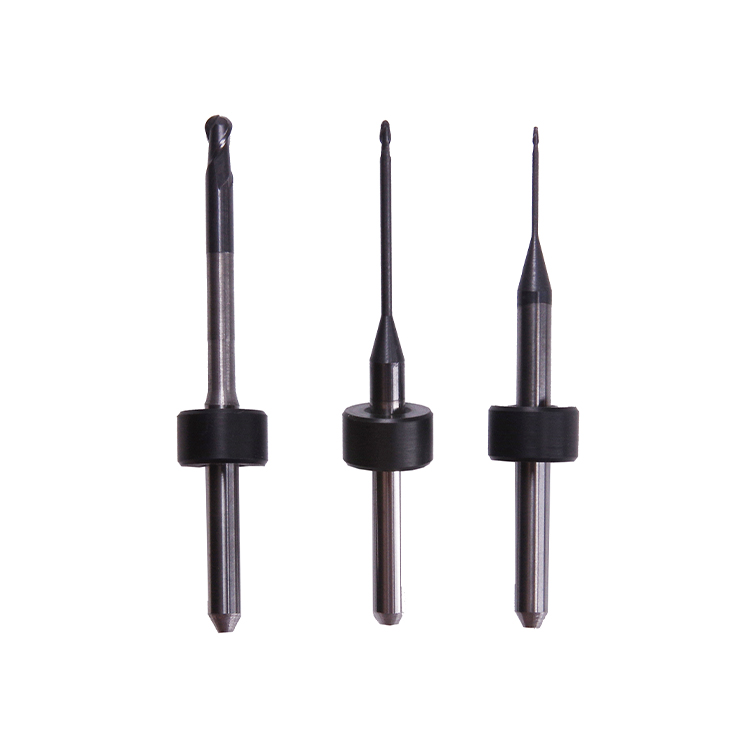
The geometry of milling burs plays a critical role in determining the quality of the final surface finish in dental and industrial machining applications. Understanding how milling burs geometry influences cutting performance, material removal rates, and surface smoothness is essential for professionals who depend on precision outcomes. The design characteristics of milling burs directly affect everything from chip evacuation to heat generation, ultimately determining whether your finished surfaces meet strict quality standards or require additional polishing work.
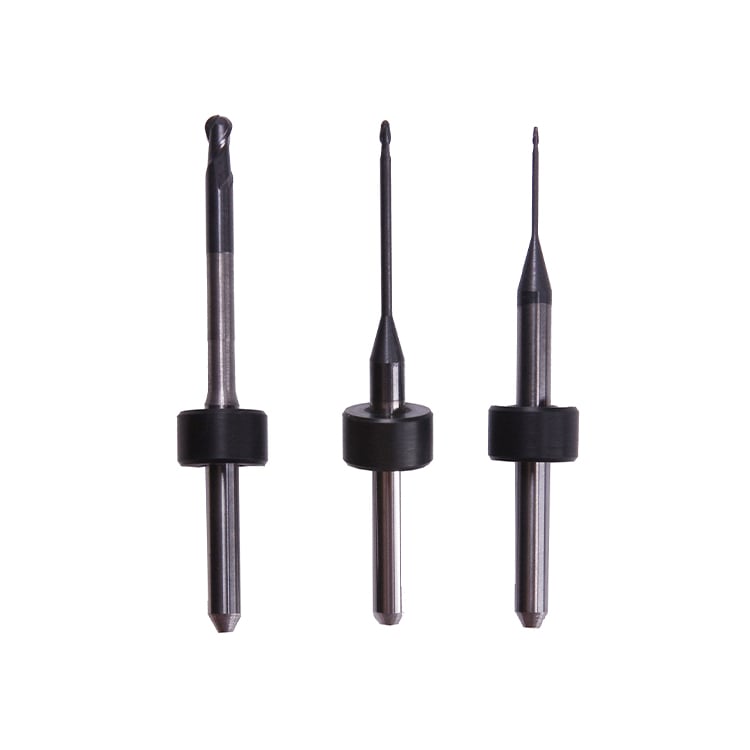
When milling burs geometry is properly engineered, the cutting edges work efficiently to produce smooth, dimensionally accurate surfaces with minimal chatter marks or striations. The relationship between flute design, cutting edge angle, and overall bur shape determines how material is removed and how quickly waste chips are evacuated from the cutting zone. Different milling burs geometries are optimized for different materials and applications, so selecting the right design parameters directly impacts both production efficiency and the final surface quality your clients or customers will receive.
How Milling Burs Geometry Impacts Cutting Performance
Flute Design and Material Removal
The flute configuration of milling burs is one of the most important geometric factors affecting how efficiently material is removed and how clean the resulting surface becomes. Milling burs with properly angled flutes create optimal chip evacuation pathways, preventing material buildup at the cutting edge that would otherwise cause chatter and surface defects. When milling burs geometry includes well-designed spiral flutes, chips are transported smoothly away from the work area, allowing the cutting edges to maintain consistent engagement with the workpiece.
The number and angle of flutes in milling burs geometry also influence the feed rate and spindle speed parameters you can safely use. Single-flute milling burs designs offer aggressive material removal but may produce rougher surfaces, while multiple-flute configurations in milling burs allow higher speeds and smoother finishes. For dental applications especially, multi-flute milling burs geometry delivers the refined surface quality necessary for biocompatible restorations and aesthetic crown work.
Cutting Edge Geometry and Surface Precision
The sharpness and geometry of the cutting edges in your milling burs directly determine the quality of surface finish achievable in any single pass. Milling burs with acute cutting edge angles cut more efficiently but may dull faster, while obtuse angles in milling burs geometry provide better edge durability at the cost of slightly increased cutting forces. The relationship between edge geometry and workpiece material is critical; milling burs designed for softer materials like aluminum require different edge configurations than milling burs intended for harder substrates like zirconia or titanium.
Precision milling burs geometry ensures that the cutting edges maintain their profile consistency across the full length of engagement with the material. When milling burs edges become worn or develop microchips, the surface finish degrades immediately because the tool no longer cuts cleanly. This is why investing in high-quality milling burs with superior geometric precision pays dividends over time through consistent, professional-grade surface finishes that require minimal post-processing correction.
Thermal Effects and Finish Quality Related to Milling Burs Design
Heat Generation and Tool Stability
The geometry of milling burs significantly influences how much heat is generated during the cutting process, which in turn affects both tool life and surface finish quality. Milling burs with inefficient geometry create higher friction at the cutting interface, generating excessive heat that can thermally distort both the workpiece and the milling burs themselves. This thermal growth compromises dimensional accuracy and often results in wavy or built-up edge finishes that require additional refining work to achieve acceptable quality standards.
Advanced milling burs geometry incorporates features like positive rake angles and optimized flute designs that reduce cutting forces and heat generation simultaneously. When milling burs operate cooler, the surrounding material remains structurally stable, allowing for tighter surface tolerances and smoother finishes. In high-speed dental milling applications, milling burs geometry becomes even more critical because sustained high temperatures can alter material properties and compromise the biocompatibility of finished restorations.
Vibration and Chatter Prevention
Milling burs with well-designed geometry maintain balanced cutting loads across all flutes, minimizing vibration and chatter that would otherwise create visible surface imperfections. Symmetrical milling burs geometry reduces runout and allows for higher spindle speeds without introducing the waviness or striations that compromise surface quality. The overall shape and mass distribution of milling burs impacts how much vibration the tool can tolerate before chatter becomes visible on the finished workpiece.
When milling burs geometry is poorly designed or worn, even slight vibrations amplify into significant chatter marks across the workpiece surface. Professional-grade milling burs maintain their geometric precision across thousands of hours of use, preventing the gradual degradation in finish quality that often leads to customer complaints or rejected parts. This consistency is why precision-engineered milling burs deliver better long-term value despite higher initial material cost.
Material-Specific Milling Burs Geometry Considerations
Adapting Milling Burs Geometry for Different Substrates
Different materials require distinctly different milling burs geometry to achieve optimal surface finishes. Milling burs designed for composite resins, for example, feature gentler cutting angles that minimize microchipping at material boundaries, while milling burs for ceramic materials need more aggressive flute angles to handle the hardness and brittleness of those substrates. Selecting the correct milling burs geometry for your specific material ensures that cutting action remains efficient throughout the machining cycle.
Titanium and zirconium alloys present unique challenges that demand specialized milling burs geometry incorporating higher temperature-resistant coatings and modified flute designs. When milling burs operate on these demanding materials with improper geometry, tool life shortens dramatically and surface finish quality deteriorates rapidly. Understanding these material-specific requirements helps you select milling burs that deliver consistently excellent results across your full range of applications.
Fine Finish Applications and Precision Milling Burs
When your workflow demands ultra-smooth surface finishes suitable for aesthetic dental work or high-precision industrial components, milling burs geometry becomes even more critical to achieving specifications. Fine-finish milling burs employ multi-flute designs with minimal spacing between cutting edges, allowing for very fine feeds and incredibly smooth material removal patterns. This advanced milling burs geometry minimizes the surface imperfections that would otherwise require extensive polishing work to correct.
The investment in precision milling burs with optimized geometry for fine finishing applications typically results in significant time savings because less post-processing work becomes necessary. Parts that emerge from the machine tool virtually ready for delivery represent a substantial productivity improvement, especially in high-volume dental laboratory or industrial manufacturing environments where finish quality directly impacts profit margins.
FAQ
What geometry features should I prioritize when selecting milling burs for my application?
The most important milling burs geometry features depend on your specific material and desired surface finish. For general-purpose applications, focus on selecting milling burs with multiple well-designed flutes, positive rake angles, and symmetrical geometry that minimizes vibration. For specialized work, prioritize milling burs engineered specifically for your substrate material, as this ensures the geometry is optimized for the unique cutting characteristics you need to achieve.
How does milling burs geometry affect the frequency of tool replacement?
Superior milling burs geometry maintains cutting efficiency longer and reduces the rate of edge wear, extending the time between tool changes significantly. When milling burs geometry is poorly optimized, the tool dulls quickly, necessitating frequent replacement and increasing operational costs. Investing in precision-engineered milling burs with superior geometry typically reduces your total cost of ownership despite higher initial tool expense.
Can I use the same milling burs geometry for multiple different materials?
While some milling burs with general-purpose geometry can work across multiple materials, performance and finish quality will be compromised compared to using material-specific milling burs designed for each substrate. For professional results, especially in dental or precision industrial work, using milling burs with geometry tailored to each material ensures optimal surface finish and tool life. This approach requires maintaining a more comprehensive tool inventory but delivers superior results that justify the additional investment.