
 EN
EN
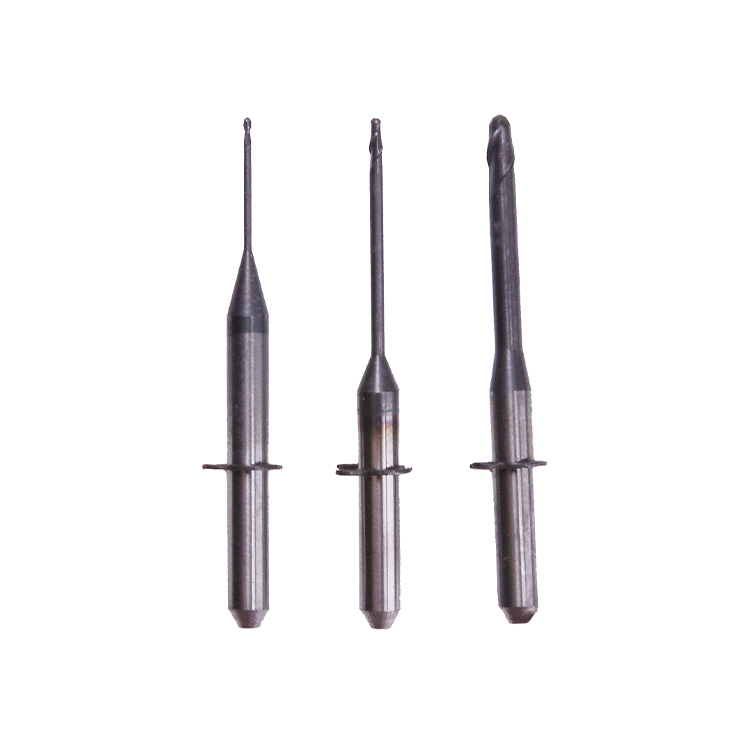
Milling burs are precision cutting tools essential to dental laboratories, machining operations, and industrial applications. The cost of replacing worn milling burs frequently drains budgets and disrupts workflow efficiency. Understanding how to extend milling burs life through proper maintenance, storage, and operational techniques can significantly reduce tool replacement cycles and improve your bottom line. This guide provides actionable strategies that dental professionals, machinists, and industrial operators can implement immediately to preserve milling burs performance and durability.
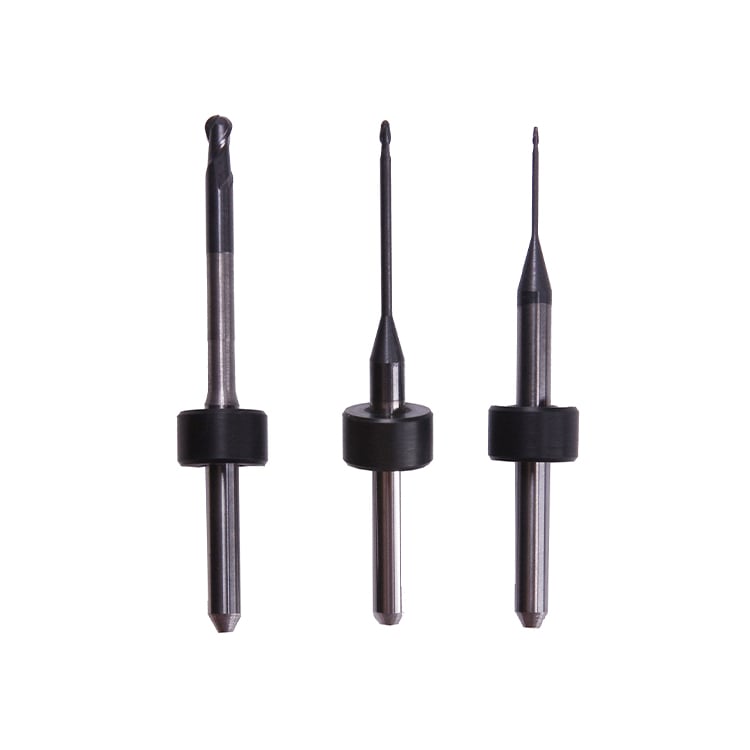
Extending milling burs life requires a holistic approach that combines proper handling, correct speed settings, effective cooling, and systematic storage practices. Many operators unknowingly reduce milling burs lifespan through improper techniques or inadequate maintenance routines. By adopting best practices covered in this article, you will see measurable improvements in tool life, reduced downtime, and lower operational costs across your facility.
Optimizing Operational Conditions to Extend Milling Burs Life
Speed and Feed Rate Management
Operating milling burs at incorrect speeds accelerates wear and causes premature failure. Each milling burs type has a manufacturer-recommended rotational speed based on material composition and cutting geometry. Running milling burs too fast generates excessive heat that damages the bur surface and weakens the cutting edge. Conversely, running milling burs too slowly creates rubbing friction that dulls the cutting surface without productive material removal. Establishing the correct speed range for your specific milling burs ensures efficient cutting action while minimizing thermal stress that shortens tool life.
Feed rate equally impacts milling burs longevity and cutting performance. Feed rate refers to how quickly the workpiece advances into the rotating milling burs. Aggressive feed rates force the milling burs to remove material faster than the cutting edge can handle, causing chipping, fracturing, and rapid dulling. Gentle, consistent feed rates allow milling burs to work efficiently without excessive force. Operators should consult equipment manuals and milling burs documentation to identify optimal feed rates for their specific material and application, then adjust based on real-time feedback from the cutting action.
Coolant and Lubrication Application
Proper coolant use is one of the most effective ways to extend milling burs life by reducing heat generation and friction. Milling burs generate tremendous friction during cutting, and this heat accelerates tool wear and can cause the cutting edges to lose hardness. Coolant absorbs and disperses this heat away from the milling burs, keeping the cutting surface at safe operating temperatures. Additionally, coolant acts as a lubricant between the milling burs and workpiece material, reducing friction and the associated wear that shortens milling burs lifespan.
The type of coolant matters significantly when you want to extend milling burs life. Water-based coolants provide excellent cooling for many materials, while oil-based coolants offer superior lubrication for harder materials. Some applications require specialized coolants formulated for specific alloys or composites. Equally important is maintaining coolant concentration and cleanliness. Degraded or contaminated coolant loses effectiveness and can actually accelerate milling burs wear. Regularly monitoring and replacing coolant according to manufacturer specifications ensures milling burs receive consistent protection throughout their operational life.
Proper Handling and Storage Techniques
Safe Handling Practices During Operation
How operators handle milling burs directly impacts tool durability and your ability to extend milling burs life. Careless handling causes premature chipping, edge damage, and structural weakness that drastically reduces milling burs effectiveness. Always wear gloves when handling milling burs to avoid introducing skin oils or contaminants that promote corrosion. Avoid dropping or subjecting milling burs to mechanical shock, which can cause microscopic fractures invisible to the eye but devastating to performance. When removing milling burs from equipment, use appropriate extraction tools rather than forcing them out with pliers or vises that damage the shaft or flutes.
Clean milling burs immediately after use with appropriate solvents that remove chips, coolant residue, and workpiece material. Dried buildup hardens on the cutting surface and can cause chipping or corrosion when reused. Some operations benefit from ultrasonic cleaning baths that safely remove debris without damaging delicate cutting edges. Always inspect milling burs visually before reinstalling them to identify any damage or dulling that might compromise cutting quality. This proactive inspection helps catch problems early and prevents damaged milling burs from creating poor results or breaking during operation.
Optimal Storage and Inventory Management
Storage conditions dramatically influence how long you can extend milling burs life after purchase or between uses. Store milling burs in a clean, dry environment protected from moisture and humidity that cause oxidation and corrosion on the cutting surface. Excessive temperature fluctuations can cause metal expansion and contraction that weakens the milling burs structure over time. Organize milling burs by type and size in clearly labeled containers or racks that prevent mixing, confusion, and accidental use of wrong milling burs for specific applications. This organization reduces picking errors and prevents unnecessary wear from using unsuitable tools.
Implement a first-in, first-out inventory system to use older milling burs before newer ones, preventing stock aging and material degradation. Consider dedicating specific milling burs to specific materials or applications rather than rotating them randomly. This strategy prevents cross-contamination and allows you to optimize speed and feed rates for each milling burs group. Protect milling burs from dust, debris, and air pollutants that settle on the surface and can be dragged into cutting action. Proper storage conditions preserve the metallurgical properties of milling burs and extend tool life significantly compared to neglected storage approaches.
Maintenance and Monitoring for Extended Tool Life
Regular Inspection and Sharpening Protocols
Systematic inspection routines are essential to extend milling burs life by catching wear early before performance degrades catastrophically. Establish a regular schedule to visually examine milling burs for dullness, chipping, flaking, or discoloration that indicates reduced effectiveness. Under magnification, healthy milling burs display sharp, well-defined cutting edges with consistent geometry. Dull or chipped milling burs produce rough finishes, require higher cutting forces, and risk fracturing during operation. Remove dull milling burs from service immediately to prevent quality problems and potential tool breakage.
Professional sharpening services can restore many types of worn milling burs to near-original condition, effectively extending tool life and delaying replacement. However, only certain milling burs designs benefit from resharpening, while others must be retired. Consult your milling burs supplier about sharpening options for your specific tools. Establishing a relationship with a reputable sharpening service ensures worn milling burs are restored properly without overheating or altering the geometry. Regular sharpening combined with proper operational practices creates a cost-effective cycle that extends milling burs life and reduces long-term tool expenditure.
Performance Monitoring and Documentation
Tracking milling burs performance through documentation helps identify usage patterns that accelerate wear and reveals opportunities to extend milling burs life further. Record the type, size, and purpose of each milling burs, along with the date it enters service and materials it processes. Note any performance issues like rough finishes, excessive runout, or unusual vibration that signals wear or misalignment. By correlating milling burs age with performance problems, you can establish realistic replacement intervals and optimize tool life expectations.
Analyze performance data to identify which operational factors most significantly impact milling burs longevity in your facility. Perhaps milling burs used on harder materials wear faster than those on softer materials, suggesting adjusted speed recommendations. Maybe certain operators achieve longer tool life through consistent technique, indicating training opportunities for others. This data-driven approach to tool management reveals actionable insights that directly extend milling burs life across your entire operation. Documentation also helps justify tool budget requests by demonstrating measurable improvements in tool life and cost per use achieved through systematic management practices.
FAQ
What is the typical lifespan of milling burs before replacement?
The lifespan of milling burs varies widely based on material type, operational conditions, application, and maintenance practices. Carbide milling burs typically last longer than steel milling burs and may function effectively for thousands of hours under ideal conditions. Diamond-coated milling burs offer extended durability for specialized applications. Actual milling burs life depends on cutting speed, coolant use, workpiece material hardness, and operator technique. By implementing the maintenance strategies outlined in this guide, you can significantly extend milling burs life beyond baseline manufacturer expectations and achieve better return on your tool investment.
Can damaged milling burs be repaired or resharpened?
Some milling burs can be professionally resharpened to restore cutting performance and extend milling burs life considerably. However, milling burs with structural damage, fractures, or severe chipping often cannot be safely restored and must be retired. Professional sharpening services can assess your milling burs and determine whether resharpening is viable. This option is most cost-effective for expensive specialty milling burs or large-diameter tools where replacement costs are substantial. For routine applications, replacing worn milling burs may be more economical than professional sharpening, especially for small, inexpensive tools.
How does coolant type affect milling burs performance and life?
Coolant selection directly impacts your ability to extend milling burs life by managing heat and friction during cutting. Water-based coolants provide excellent heat dissipation for general machining applications and help extend milling burs life through effective cooling. Oil-based coolants offer superior lubrication for difficult materials and can extend milling burs life when lubricity is the limiting factor. Synthetic coolants provide balanced cooling and lubrication for demanding applications. Using the wrong coolant type for your specific application can actually reduce milling burs life, making coolant selection as important as proper speed and feed rate management.