
 EN
EN
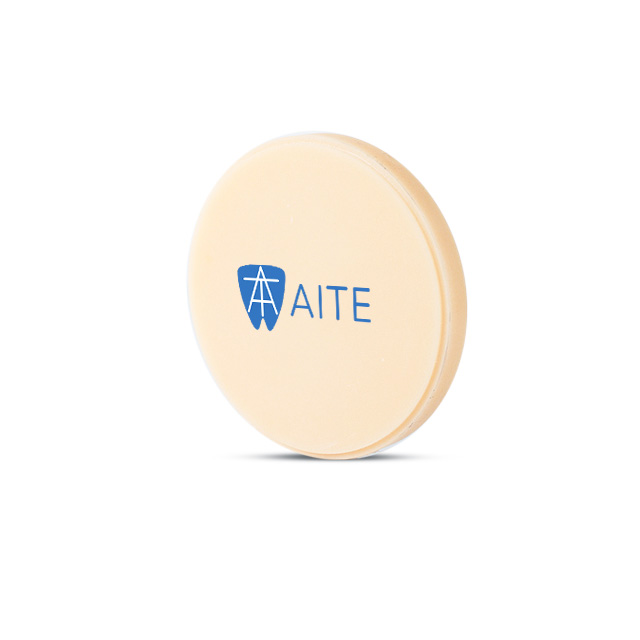
The integration of dental PMMA into CAD/CAM workflows has transformed how dental professionals fabricate temporary restorations. Dental PMMA, or polymethyl methacrylate, offers a proven material solution that combines ease of milling, aesthetic versatility, and clinical reliability. Understanding how dental PMMA aids CAD/CAM temporaries is essential for practitioners seeking to optimize their digital dentistry operations and deliver superior patient outcomes.
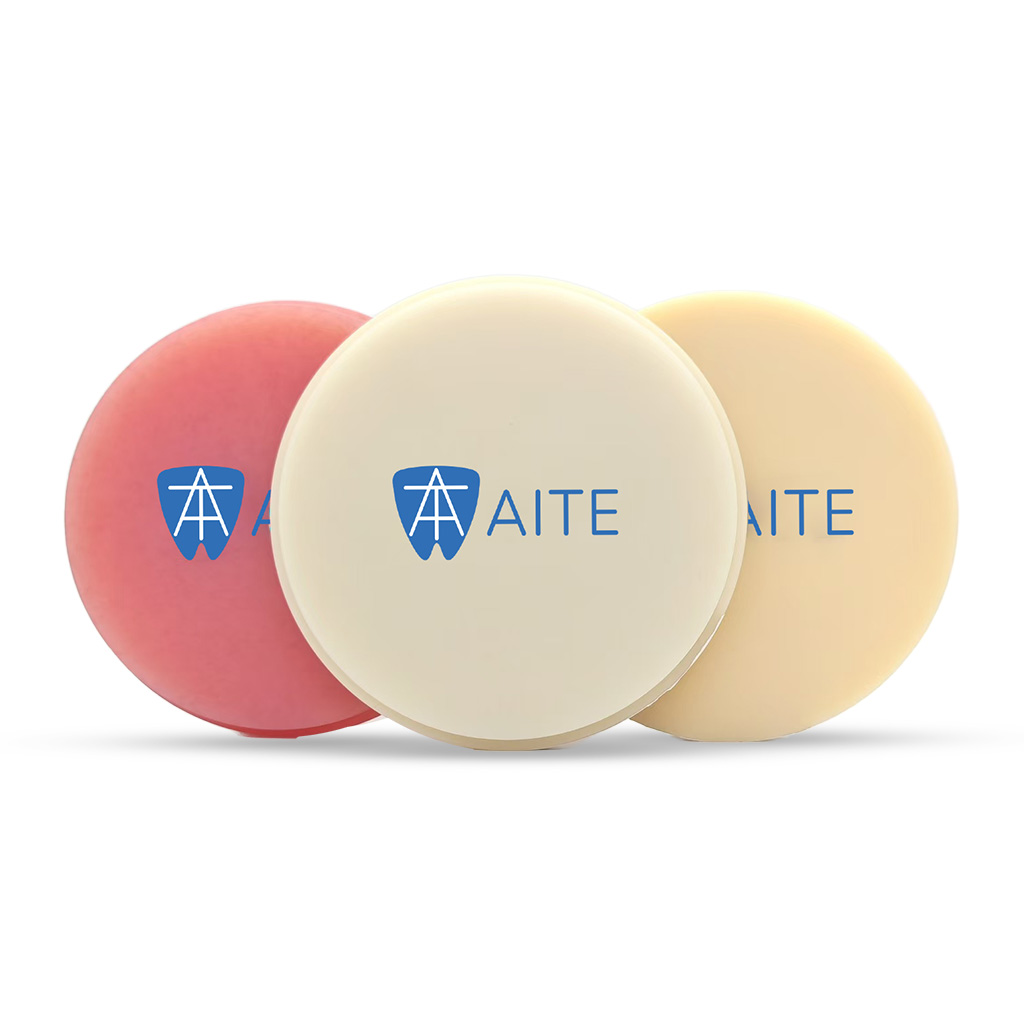
Dental PMMA serves as an ideal interim restorative material because it bridges the gap between diagnosis and final restoration placement. When used in CAD/CAM systems, dental PMMA allows clinicians to mill precise, anatomically accurate temporaries directly in the office or laboratory setting. This capability streamlines clinical workflows, reduces chair time, and ensures temporaries fit seamlessly over prepared teeth while the permanent restoration undergoes fabrication.
How Dental PMMA Functions in CAD/CAM Systems
Milling Properties and Precision
Dental PMMA excels in milling applications because its molecular structure allows for smooth, predictable cutting without chipping or fracture. CAD/CAM milling units process dental PMMA blocks at controlled speeds, producing temporaries with minimal post-milling adjustments. The material's homogeneous composition ensures consistent results across multiple milling cycles, making dental PMMA a reliable choice for high-volume temporary fabrication. Unlike some materials that require extensive finishing, dental PMMA produces edge details sharp enough to seat accurately on prepared tooth anatomy.
Anatomical Accuracy and Fit
Precision fit is critical for temporary restorations, and dental PMMA delivers exceptional marginal accuracy when milled from properly designed CAD files. The material maintains dimensional stability throughout the milling process, translating digital designs directly into clinical-ready restorations. Dental PMMA temporaries typically require minimal chairside adjustment, allowing dentists to seat them on first insertion without significant chair time. This accuracy also reduces the risk of marginal leakage and secondary decay during the temporary wear period.
Clinical Benefits of Dental PMMA Temporaries
Aesthetic Qualities and Patient Satisfaction
Patients appreciate the aesthetic appeal of dental PMMA temporaries, especially in visible zones. Dental PMMA is available in shade ranges matching natural tooth color, and the material accepts surface stains and glazes that enhance appearance. Many CAD/CAM laboratories add custom staining to dental PMMA temporaries, creating restorations that closely resemble the anticipated final prosthesis. This aesthetic parity reduces patient concerns during the provisional phase and improves acceptance of treatment plans.
Durability During the Provisional Phase
The provisional phase demands a material that withstands normal mastication without degradation, and dental PMMA meets this requirement consistently. Dental PMMA exhibits sufficient strength to resist fracture from typical chewing forces over weeks or months. The material's slight resilience prevents brittle failure, unlike rigid ceramics that can shatter under point loading. Clinical experience shows that dental PMMA temporaries rarely fail prematurely when milled to appropriate wall thickness, reducing the need for emergency repairs or replacements during treatment.
Workflow Efficiency and Cost Considerations
Reduced Manufacturing Time
CAD/CAM milling of dental PMMA temporaries significantly reduces manufacturing time compared to traditional subtractive or hand-fabricated methods. A dental PMMA temporary crown can be milled in minutes, allowing same-day provisional placement in many clinical scenarios. This efficiency benefits both office-based practices with chairside CAD/CAM systems and laboratories processing multiple cases daily. Dental PMMA's fast processing also means less inventory overhead and shorter turnaround times for patients.
Material Cost and Value
Dental PMMA offers cost-effectiveness without sacrificing clinical performance. The material is less expensive than milled zirconia or other advanced ceramics, making it ideal for provisional restorations that serve a temporary function. Dental PMMA blocks are widely available from multiple suppliers, ensuring supply chain consistency and competitive pricing. For practices processing high volumes of temporaries, dental PMMA provides excellent value, allowing clinicians to allocate budgets more strategically toward final restorations and other priority materials.
Material Properties Supporting Provisional Success
Biocompatibility and Tissue Response
Dental PMMA has decades of documented clinical history demonstrating biocompatibility with gingival and subgingival tissues. The material does not leach harmful substances or trigger inflammatory responses when processed cleanly. Dental PMMA temporaries milled to smooth marginal contours minimize tissue irritation and support optimal gingival health during the provisional period. This biological stability is particularly important in esthetic cases where provisional placement affects soft tissue architecture that will influence the final prosthesis.
Adjustability and Repairability
Unlike some milled materials that resist modification, dental PMMA remains adjustable even after milling. Dentists can polish, adjust occlusion, and refine margins chairside using standard handpieces and burs. If damage occurs, dental PMMA temporaries can be repaired using acrylic-compatible adhesives and additional material, extending their service life. This adaptability makes dental PMMA temporaries forgiving during clinical use, accommodating minor discrepancies between the CAD design and actual tooth anatomy.
Ideal Applications for Dental PMMA CAD/CAM Temporaries
Single-Unit Crowns and Bridges
Dental PMMA performs excellently for single-unit crown temporaries, particularly in esthetic zones where shade matching enhances patient confidence. Short-span dental PMMA bridge temporaries also serve reliably, providing stability across missing teeth during the final prosthesis fabrication phase. The material's strength-to-weight ratio supports these applications without excessive bulk, maintaining natural tooth contours and supporting proper mouth physiology.
Complex Restorations and Smile Design Cases
For comprehensive smile redesigns or complex multidisciplinary cases, dental PMMA CAD/CAM temporaries allow clinicians to preview the final aesthetic outcome. Dental PMMA can be milled with precise gingival contours that guide soft tissue remodeling, ensuring the provisional restoration functions as a therapeutic guide. Dental PMMA temporaries in these scenarios provide clinical evidence supporting final restoration design choices and allow patient feedback before committing to definitive materials.
FAQ
What makes dental PMMA superior to hand-fabricated acrylic temporaries?
Dental PMMA CAD/CAM temporaries offer superior marginal fit, reduced milling time, and consistent quality compared to hand-fabricated versions. The digital design process ensures precise anatomical replication, while CAD/CAM milling produces temporaries requiring minimal chairside adjustment. Dental PMMA also exhibits better surface finish and smoother margins than hand-poured acrylic, supporting better gingival adaptation and patient comfort.
Can dental PMMA temporaries be used for long-term provisional wear?
Yes, dental PMMA temporaries function well during extended provisional phases lasting several months. The material maintains structural integrity and resists staining during normal wear periods. However, dental PMMA should be considered a provisional solution rather than a long-term restoration; it is not designed for permanent use. For cases requiring extended temporization, ensure adequate thickness and monitor for signs of wear or marginal deterioration.
How does milling dental PMMA affect its properties compared to direct acrylic?
Milling dental PMMA from pre-polymerized blocks produces superior properties compared to direct acrylic polymerization. The industrial polymerization process ensures uniform cross-linking and density throughout the dental PMMA block, eliminating voids and stress concentrations. Milled dental PMMA therefore exhibits greater strength, better dimensional stability, and superior surface characteristics than directly fabricated acrylic temporaries, supporting reliable long-term provisional service.