
 EN
EN
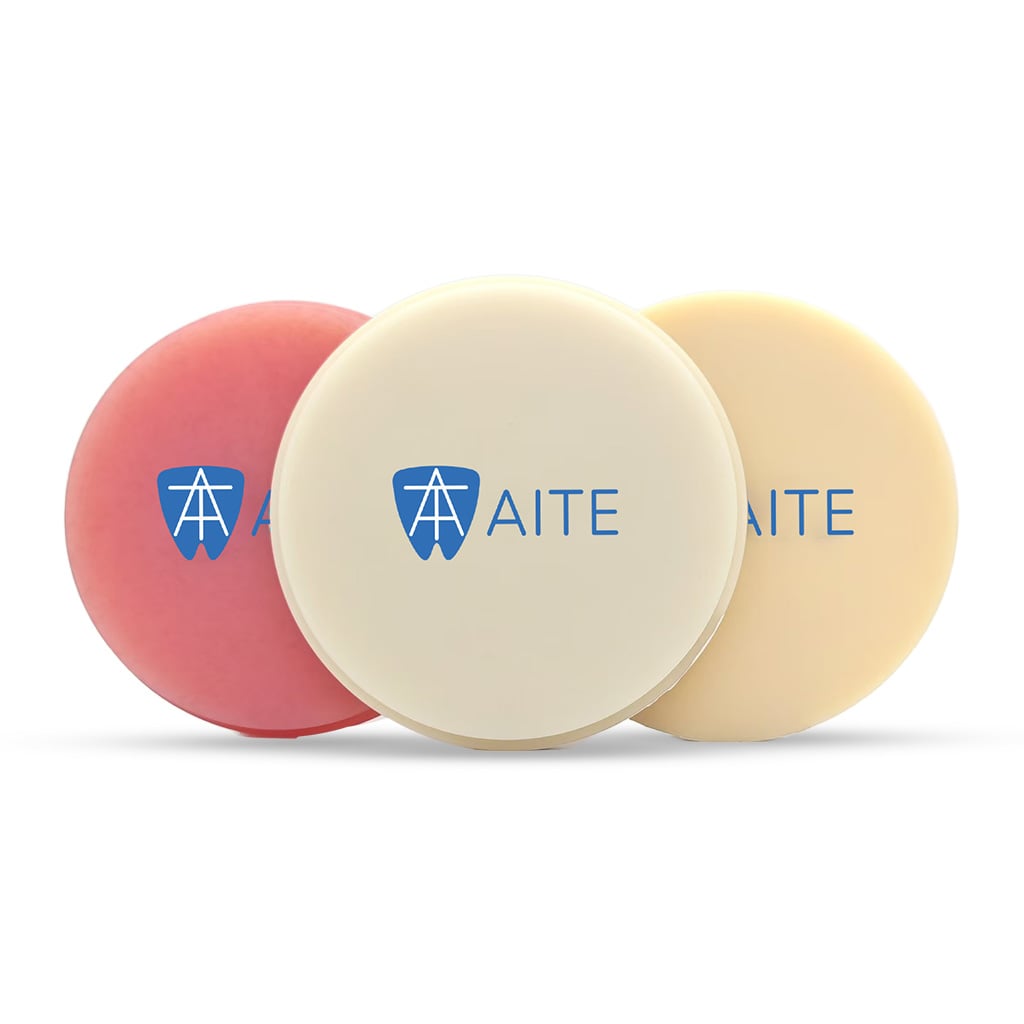
Dental PMMA materials represent a critical component in modern restorative and prosthetic dentistry, yet their performance depends entirely on how they are handled throughout their lifecycle. From the moment dental PMMA enters your practice until the final restoration is placed in a patient's mouth, proper handling practices directly influence longevity, esthetic outcomes, and clinical success. Understanding the specific requirements for managing dental PMMA ensures that the material maintains its inherent strength, transparency, and biocompatibility while preventing contamination, degradation, or processing errors that could compromise the final restoration.
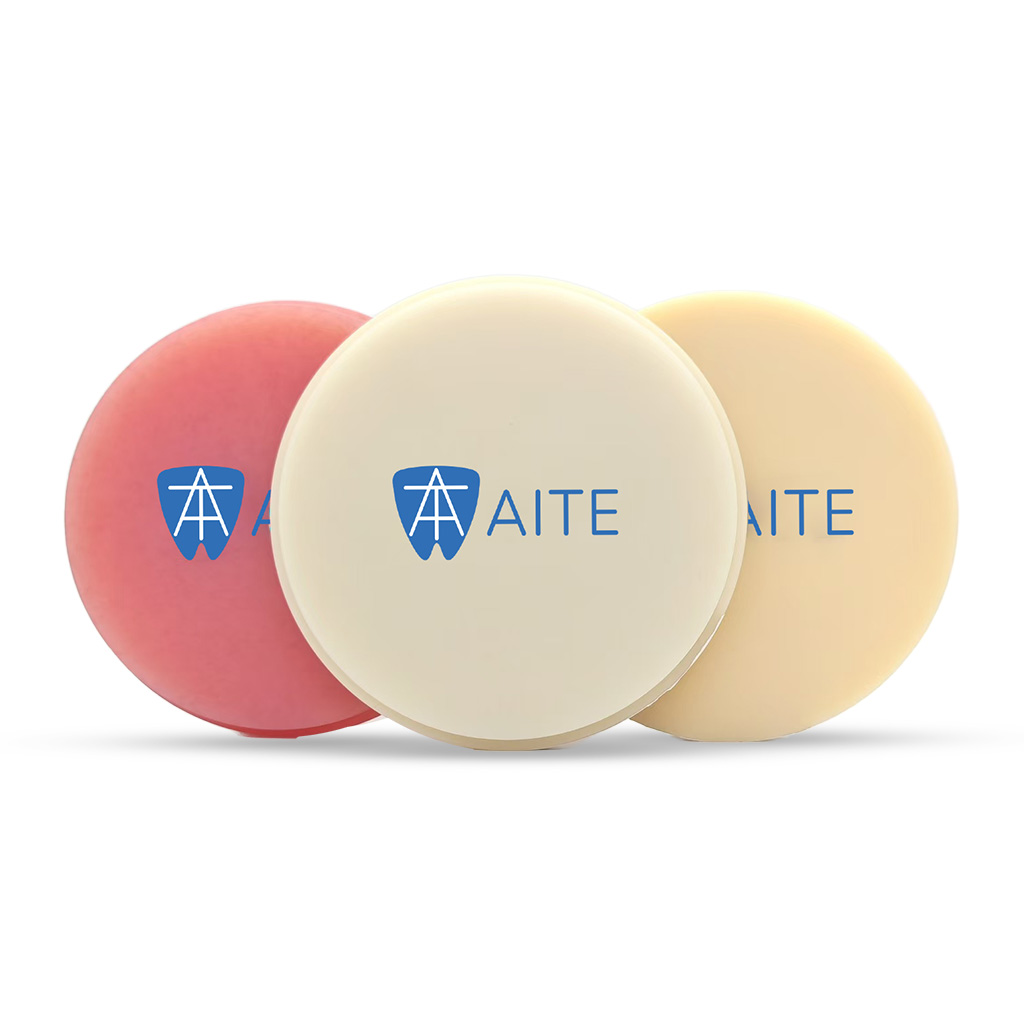
Proper handling of dental PMMA is not merely a convenience; it is a fundamental practice that protects your investment in premium materials and safeguards clinical outcomes. Dental PMMA exhibits unique physical and chemical characteristics that require deliberate attention to environmental conditions, processing techniques, and storage protocols. When dental PMMA is mishandled—whether through improper temperature exposure, moisture absorption, or mechanical stress during preparation—the material may develop internal stress, discoloration, reduced impact resistance, or dimensional instability. This guide explores the comprehensive handling requirements for dental PMMA, covering everything from initial receipt through laboratory processing to final clinical delivery.
Storage and Environmental Control for Dental PMMA
Temperature and Humidity Management
Dental PMMA is thermoplastic in nature, meaning it responds sensitively to temperature fluctuations. Storing dental PMMA in environments with temperatures ranging from 18°C to 25°C preserves the material's dimensional stability and mechanical properties. Temperatures below this range can increase brittleness, while elevated temperatures approaching the glass transition point of PMMA may soften the polymer and promote unwanted shape changes. Humidity control is equally important for dental PMMA; maintaining relative humidity between 40% and 60% prevents moisture absorption that could lead to dimensional changes and reduced surface gloss.
Light Exposure and Oxidation Prevention
Dental PMMA should be stored away from direct sunlight and intense artificial light sources, as ultraviolet radiation promotes oxidation and yellowing of the polymer matrix. Extended UV exposure degrades dental PMMA by breaking polymer chains, weakening the material and causing cosmetic discoloration that cannot be reversed. Storing dental PMMA in opaque, sealed containers protects against both light and atmospheric oxygen. For long-term storage, dental PMMA benefits from cool, dark storage areas, such as climate-controlled cabinets or dedicated material storage rooms. Manufacturers often supply dental PMMA in protective packaging; maintaining this original packaging until the material is ready for use provides optimal protection for dental PMMA against environmental degradation.
Processing and Preparation Handling of Dental PMMA
Cutting and Milling Techniques
When dental PMMA requires cutting, grinding, or milling during restoration fabrication, controlled cutting speeds and sharp instruments prevent heat generation that can compromise material integrity. Excessive friction during machining of dental PMMA generates localized heat that may cause crazing, micro-cracking, or surface degradation. Water-cooled cutting procedures are recommended for dental PMMA to dissipate heat and flush away debris. Dental PMMA also requires proper tool geometry; dull blades or incorrect angles create unnecessary stress concentration, weakening the final restoration. After any mechanical processing, dental PMMA surfaces should be cleaned and inspected for microcracks or stress marks that could propagate under clinical stress.
Handling During Mixing and Polymerization
For dental PMMA formulations that involve monomer-polymer mixing, precise measurement and controlled blending are essential. Incorrect monomer-to-polymer ratios alter the final material properties and may result in incomplete polymerization or residual monomer that compromises biocompatibility. Polymerization reactions for dental PMMA generate heat; following manufacturer-specified polymerization times and temperatures prevents localized overheating that causes internal stress concentration. During the polymerization cycle for dental PMMA, proper pressure control in polymerization chambers minimizes porosity and ensures uniform density. Rapid cooling after polymerization should be avoided, as thermal shock can introduce residual stress into dental PMMA, predisposing the restoration to future fracture.
Transport, Sterilization, and Clinical Delivery of Dental PMMA
Safe Packaging and Transport Protocols
Dental PMMA restorations must be transported from the laboratory to the clinical setting in protective cases that prevent mechanical shock, vibration, and contamination. Impact stress during transport can create internal micro-fractures in dental PMMA that remain invisible but progressively weaken the restoration under masticatory loading. Restorations fabricated from dental PMMA should be individually wrapped or placed in compartmentalized containers to prevent contact between multiple restorations. Temperature control during transport is also critical; dental PMMA should not be exposed to temperature extremes that might induce dimensional changes or warping before clinical delivery. When storing dental PMMA restorations at the practice site before seating, the same environmental controls—cool temperature, moderate humidity, and protection from light—should be maintained to preserve restoration dimensions and esthetic properties.
Sterilization and Surface Preparation
Dental PMMA is compatible with autoclave sterilization at standard protocols (typically 121°C for 15–20 minutes at 15 psi), yet repeated sterilization cycles incrementally degrade dental PMMA through thermal stress accumulation and potential surface etching. Minimize sterilization cycles by employing sterilization only when clinically necessary. Before seating, dental PMMA restorations should be gently cleaned with water and soft brushes to remove any laboratory dust, investment material, or processing residue. Ultrasonic cleaning can be used cautiously but should employ low-frequency settings and short duration to avoid microfracture initiation in dental PMMA. Surface preparation such as light air abrasion for adhesive bonding should be performed with controlled parameters; excessive air pressure damages the surface of dental PMMA, creating stress concentrations that reduce restoration longevity.
Troubleshooting Common Handling-Related Issues in Dental PMMA
Prevention of Crazing and Microcracking
Crazing—the appearance of fine surface cracks in dental PMMA—typically results from exposure to certain solvents, mechanical stress, or rapid cooling during processing. Preventing crazing of dental PMMA requires avoiding contact with alcohol, acetone, and other organic solvents that can penetrate and weaken the polymer network. Stress-relieving heat treatment after processing can reduce residual internal stress in dental PMMA that otherwise manifests as crazing under environmental or mechanical triggers. If crazing appears on dental PMMA after delivery, it indicates either processing error or post-delivery exposure to incompatible substances; educating patients about proper denture care helps prevent patient-induced crazing.
Addressing Discoloration and Staining
Yellowing of dental PMMA results from UV exposure, heat exposure during sterilization, or contact with certain medications and foods. Minimizing light exposure during storage and using UV-protective coatings on some dental PMMA formulations mitigates this issue. For patients receiving dental PMMA dentures or restorations, recommending nightly storage in covered containers prevents light-induced yellowing. Some discoloration of dental PMMA may be reversible through gentle polishing with fine pumice and denture cleaner, restoring some surface luster. However, internal discoloration or staining of dental PMMA cannot be reversed and indicates that preventive storage and handling measures were compromised.
FAQ
What temperature range is safest for storing dental PMMA?
Dental PMMA should be stored between 18°C and 25°C to maintain dimensional stability and prevent thermoplastic deformation. Temperatures below this range increase brittleness, while excessive heat softens dental PMMA and promotes shape changes. Maintaining consistent temperature prevents thermal stress that could compromise the material's mechanical properties or clinical performance.
Can dental PMMA be sterilized multiple times without degradation?
Dental PMMA is autoclave-compatible and can withstand standard sterilization cycles at 121°C. However, repeated sterilization cycles progressively degrade dental PMMA through cumulative thermal stress and potential surface etching. Minimize sterilization cycles by sterilizing only when clinically essential. Whenever possible, use chemical disinfection instead of heat sterilization to extend the service life of dental PMMA restorations.
How does improper handling of dental PMMA affect the final restoration?
Mishandling of dental PMMA—through exposure to extreme temperatures, mechanical stress, moisture, or UV light—introduces internal stress, crazing, discoloration, or dimensional instability. These defects reduce impact resistance, compromise esthetic appearance, and shorten restoration longevity. Proper handling preserves the material's strength, transparency, and biocompatibility, ensuring clinical success and patient satisfaction with the final restoration.