
 EN
EN
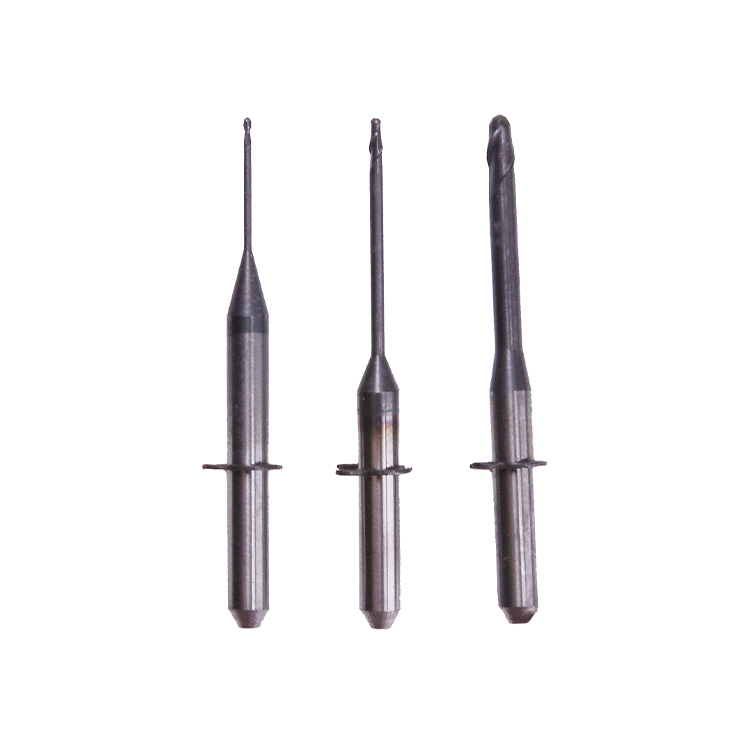
The longevity of milling burs is a critical factor in dental and industrial machining operations, directly impacting production costs and operational efficiency. Diamond milling burs have become the preferred choice for professionals who demand extended tool life and consistent performance over hundreds of hours of continuous use. Understanding why milling burs made with diamond coatings and advanced designs last significantly longer than conventional alternatives requires examining the material science, structural engineering, and thermal management that distinguish premium milling burs from standard options.
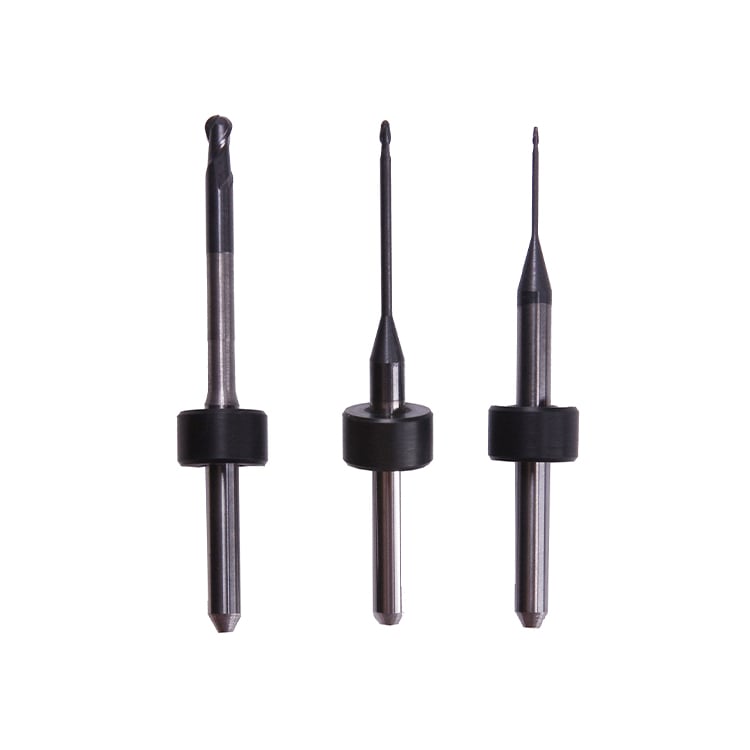
When dental technicians and industrial machinists invest in quality milling burs, they are purchasing more than just a cutting tool. They are acquiring a precision instrument engineered to withstand extreme forces, abrasive contact, and thermal stress without degradation. The difference between milling burs that fail after a few hours and those that perform reliably for thousands of milling operations lies in the foundational materials, coating technology, and design optimization that manufacturers implement.
Material Composition and Diamond Coating Technology
Understanding Diamond Layer Structure in Milling Burs
The superior longevity of diamond milling burs originates from the multi-layered construction of the cutting head. Premium milling burs feature a precisely bonded diamond crystal layer on the work surface, typically applied using advanced electroplating or CVD coating processes. This diamond coating provides exceptional hardness, rating 10 on the Mohs hardness scale, which enables milling burs to cut through zirconia, ceramics, and other abrasive materials without losing their sharp cutting edge. The molecular bond between the diamond particles and the substrate metal ensures that milling burs maintain their structural integrity even when subjected to repetitive stress cycles that would shatter conventional carbide tools.
The substrate material beneath the diamond layer also contributes significantly to milling burs performance and durability. High-quality milling burs use tungsten carbide or specialized steel alloy bases that provide both rigidity and impact resistance. This dual-material approach means milling burs can absorb vibration and mechanical shock without fracturing, while the diamond surface maintains its cutting efficiency throughout extended milling sessions. The thermal conductivity of the substrate also plays a role in how effectively milling burs dissipate heat generated during high-speed cutting operations.
Bonding Methods That Extend Milling Burs Lifespan
The method used to bond diamond particles to the milling burs substrate directly determines how long the coating will remain effective. Electroplated diamond milling burs feature individual diamond crystals held in place by a thin metal layer, allowing for maximum exposure of the diamond cutting surface and superior edge definition. This bonding technique ensures that milling burs maintain sharpness through extended use while resisting premature wear in areas subject to high friction. Advanced manufacturers also employ secondary bonding layers that reinforce diamond adhesion, preventing the diamond coating from separating prematurely from milling burs bases even under extreme operational stress.
Different bonding technologies affect how milling burs respond to thermal cycling and mechanical stress. Ceramic-bonded milling burs offer excellent heat resistance but slower cutting speeds, while metal-bonded milling burs provide faster material removal with moderate wear resistance. The selection between these bonding approaches determines whether milling burs will achieve maximum longevity for specific applications, whether grinding delicate restorations or preparing multiple zirconia frameworks in rapid succession.
Geometric Design and Engineering Innovations
How Milling Burs Shape Impacts Cutting Efficiency and Wear
The geometric profile of milling burs has been engineered through extensive research to optimize cutting action while minimizing stress concentration on the cutting head. Modern milling burs feature precisely angled flutes that guide chips away from the work surface efficiently, reducing friction and heat accumulation that would accelerate tool wear. The radial relief angle, axial relief angle, and flute geometry of professional-grade milling burs are calculated to provide optimal chip evacuation without sacrificing structural strength. When chips remain trapped in the milling burs flutes, they cause binding, excessive heat, and premature failure; proper geometric design prevents this through scientific precision in the manufacturing process.
The diameter and length proportions of milling burs also affect their operational lifespan. Milling burs with optimized length-to-diameter ratios exhibit better resistance to vibration and chatter, which are primary causes of accelerated wear and tool failure. Engineers designing premium milling burs consider the critical speed thresholds, spindle dynamics, and material properties of the workpieces to establish dimensions that maximize stability and cutting edge contact quality. This precision in geometric design explains why milling burs from reputable manufacturers consistently outlast generic or poorly designed alternatives by factors of three to five times.
Flute Configuration and Edge Preservation
Advanced milling burs often incorporate multiple flute configurations that distribute cutting forces more evenly across the diamond coating surface. Single-flute milling burs concentrate all cutting action on one edge, causing rapid wear concentration. Multi-flute designs distribute the workload, allowing each milling burs section to cool between cutting cycles and extending the overall tool life substantially. Additionally, the helix angle of the flutes in quality milling burs is optimized for specific material types, whether soft ceramics, hard zirconia, or composite materials, ensuring that milling burs maintain aggressive cutting while preserving edge definition.
Edge chamfering and corner rounding in milling burs design also contribute to longevity by preventing micro-fractures that initiate tool failure. When milling burs cutting edges are properly rounded using precision grinding techniques, they resist chipping and maintain their geometric accuracy through thousands of milling operations. The micro-geometry of the cutting edge in premium milling burs is controlled to within microns, ensuring consistent performance and predictable wear patterns that allow technicians to plan tool changes based on actual milling burs condition rather than arbitrary time intervals.
Thermal Management and Heat Dissipation
Role of Thermal Properties in Milling Burs Durability
Heat generation during machining is one of the most significant factors affecting milling burs longevity, and premium designs incorporate multiple thermal management strategies. When milling burs operate at high speeds, friction at the tool-material interface generates substantial heat that can degrade both the diamond coating and the substrate. Superior milling burs are engineered with high thermal conductivity pathways that allow heat to dissipate rapidly from the cutting zone into the surrounding spindle or coolant system. The thermal expansion characteristics of the substrate material are matched to the diamond layer to prevent delamination caused by differential expansion during heating and cooling cycles.
Coolant application methodology also interacts with milling burs thermal properties to extend tool life. Milling burs with optimized flute geometry and chip evacuation direct coolant more effectively to the cutting edge, enhancing heat removal efficiency. High-performance milling burs often feature small through-holes or enhanced surface treatments that improve coolant delivery, reducing the peak temperatures experienced by the diamond coating and allowing milling burs to operate at higher speeds without accelerated wear. This thermal management capability means quality milling burs can complete significantly more material removal cycles before reaching end-of-life wear criteria.
Preventing Thermal Cycling Damage in Milling Burs
Repeated thermal cycling during production runs creates stress in milling burs at the interface between the diamond coating and the substrate material. Premium milling burs incorporate thermal stress relief techniques during manufacturing, including controlled cooling processes and intermediate annealing steps that reduce residual stress. Milling burs produced with these methods exhibit superior resistance to delamination and thermal fatigue failure, maintaining performance consistency even when thermal conditions vary throughout the production day. Advanced manufacturers also use materials science to select substrate alloys with thermal expansion coefficients that match the diamond coating, virtually eliminating one of the primary causes of premature milling burs failure.
The spindle speed selection directly influences milling burs longevity through its effect on thermal generation and mechanical stress. Milling burs rated for specific speed ranges perform most reliably when operators maintain spindle speeds within manufacturer recommendations. Exceeding recommended speeds accelerates thermal wear in milling burs, while operating below optimal speeds creates inefficient cutting forces that generate excessive heat through rubbing. Professional operations establish speed protocols that balance productivity with milling burs longevity, recognizing that the most economical approach involves running milling burs at their designed performance envelope.
FAQ
What makes diamond milling burs more durable than carbide alternatives?
Diamond milling burs achieve superior durability through the extreme hardness of diamond crystal coatings, which resist abrasion far better than carbide materials. The multi-layer construction of quality milling burs, combining diamond surfaces with engineered substrates, allows them to withstand greater cutting forces and thermal stress while maintaining edge geometry. Additionally, modern milling burs employ advanced bonding technologies and geometric optimization that carbide tools cannot replicate, resulting in wear rates that are typically 70 to 80 percent lower across extended milling operations.
How long do professional-grade milling burs typically last in production use?
The lifespan of milling burs depends on material type, cutting speed, and application intensity, but quality diamond milling burs commonly deliver 500 to 2,000 milling operations before reaching replacement criteria. Milling burs used for soft ceramics may approach the upper range, while milling burs applied to very hard zirconia typically show measurable wear after 300 to 600 cycles. Proper technique, adequate coolant, and spindle speed optimization help extend milling burs service life significantly, sometimes doubling or tripling the number of productive milling operations before replacement becomes necessary.
Can proper maintenance extend milling burs longevity further?
Yes, milling burs maintenance practices substantially influence durability and performance consistency. Regular cleaning of milling burs flutes prevents chip accumulation that causes binding and accelerated wear. Storing milling burs in protective cases prevents accidental damage to the cutting surface, and inspecting milling burs before each use identifies early signs of wear that allow proactive replacement. Additionally, maintaining proper spindle balance, ensuring coolant concentration remains optimal, and using cutting feeds and speeds calibrated to specific milling burs specifications create operating conditions that maximize the extended lifespan that quality milling burs are engineered to provide.