
 EN
EN
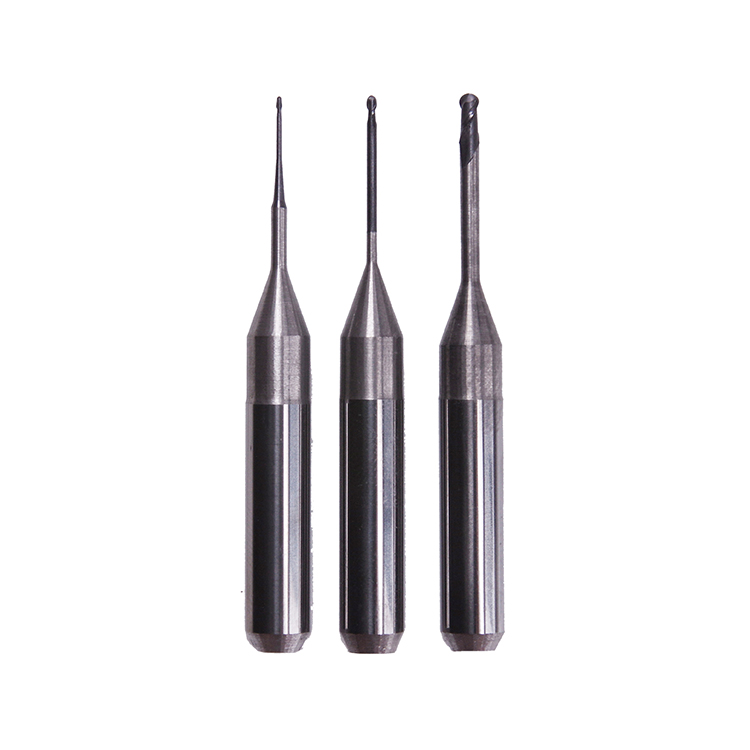
Multi-axis machining has transformed manufacturing across industries, enabling production of complex geometries that single-axis systems cannot achieve. However, the sophisticated demands of multi-axis operations require equally sophisticated tooling. Standard milling burs simply cannot withstand the dynamic forces, thermal conditions, and precision requirements inherent to multi-axis environments. Understanding why multi-axis machines need special milling burs is critical for manufacturers seeking optimal performance, tool longevity, and cost efficiency in their operations.
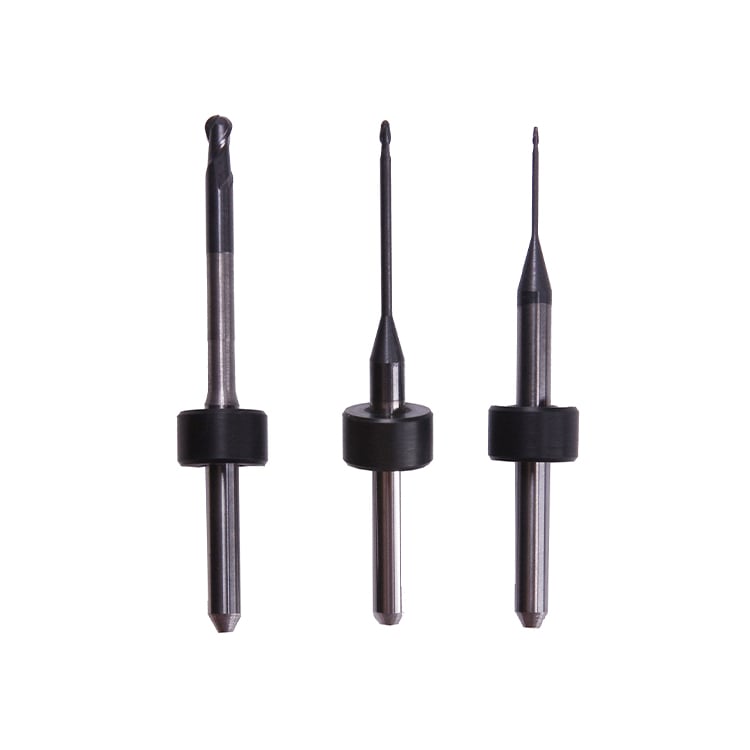
The distinction between standard and specialized milling burs becomes apparent when examining the operational context of multi-axis machines. Multi-axis systems introduce rapid directional changes, variable feed rates, and continuous tool engagement from multiple angles simultaneously. These machines demand milling burs engineered specifically to handle interrupted cuts, varying spindle speeds, and the thermal cycling that results from constant directional shifts. Investing in the right milling burs directly impacts production quality, reduces downtime, and extends overall equipment life.
Complex Cutting Dynamics in Multi-Axis Operations
Understanding Multi-Directional Force Distribution
Multi-axis machines execute cuts from numerous directions within a single operation cycle, fundamentally changing how milling burs experience stress. Unlike traditional two or three-axis systems where cutting forces follow predictable vectors, multi-axis environments subject milling burs to complex, continuously changing force patterns. These milling burs must absorb radial, axial, and tangential forces that shift direction rapidly, demanding superior structural integrity and material composition. Standard milling burs, designed for unidirectional or simple planar cutting, fracture prematurely under such conditions because their geometry and material properties cannot accommodate the strain.
Thermal Management in High-Speed Multi-Axis Cutting
The thermal environment within multi-axis machining operations presents unique challenges for milling burs. Rapid tool path changes mean cutting edges transition between high-heat engagement zones and cooler air pockets continuously, creating thermal cycling stress. Specialized milling burs incorporate advanced coating systems and material matrices designed to dissipate heat efficiently while resisting thermal fatigue. These milling burs maintain edge sharpness across temperature fluctuations ranging from 400 to 800 degrees Celsius, whereas conventional tools suffer rapid wear and chipping when subjected to similar thermal stress patterns.
Geometric and Material Requirements for Multi-Axis Precision
Flute Design Optimization for Interrupted Cutting
Specialized milling burs designed for multi-axis applications feature optimized flute geometries that manage interrupted cuts more effectively than standard tools. The flute design in multi-axis-specific milling burs incorporates variable helix angles, specialized rake angles, and precisely engineered chip evacuation pathways. These milling burs distribute cutting forces more evenly across the tool body, reducing vibration and chatter that would otherwise degrade surface finish and accelerate tool wear. The cutting geometry in traditional milling burs cannot efficiently process the fragmented chip formation patterns that multi-axis operations create, leading to rapid edge deterioration and costly replacement cycles.
Material Composition and Coating Technologies
Modern milling burs for multi-axis applications utilize advanced substrate materials and multi-layer coating systems that conventional tools cannot match. These milling burs typically employ carbide compositions engineered for specific hardness-to-toughness ratios that balance edge durability with resistance to sudden impact loading. Premium coatings on specialized milling burs include titanium aluminum nitride, chromium nitride, or diamond-like carbon films that extend tool life by 200 to 400 percent compared to uncoated alternatives. The chemical composition and coating architecture in these milling burs are precisely calibrated to handle the extreme conditions of multi-axis machining while maintaining dimensional accuracy across thousands of hours of operation.
Performance and Cost Implications of Proper Tool Selection
Production Efficiency and Surface Quality Standards
Investing in appropriate milling burs for multi-axis machines directly correlates with improved production metrics and reduced scrap rates. Specialized milling burs maintain tighter tolerances throughout their service life, meaning parts produced later in the tool's cycle meet the same quality standards as those produced earlier. Surface finish consistency improves significantly when using milling burs optimized for multi-axis cutting dynamics, reducing or eliminating secondary finishing operations. Additionally, these milling burs generate predictable wear patterns, allowing manufacturers to implement accurate tool-life monitoring systems that maximize spindle utilization while preventing unexpected tool failures during production runs.
Total Cost of Ownership and Tool Life Maximization
Although premium milling burs for multi-axis applications command higher per-unit costs than standard alternatives, their extended service life and reduced failure rates deliver superior total cost of ownership. A specialized set of milling burs may operate for 500 to 1000 hours under demanding multi-axis conditions, while standard tools typically fail within 50 to 150 hours in identical applications. The cost-per-part calculation overwhelmingly favors specialized milling burs when accounting for tool replacement frequency, machine downtime, labor costs associated with tool changes, and scrap material losses from premature tool failure. Manufacturers who transition to properly engineered milling burs for multi-axis operations typically recover their investment within 2 to 6 months through improved efficiency and reduced operational interruptions.
FAQ
Can standard milling burs work temporarily in multi-axis machines?
Standard milling burs can technically function in multi-axis equipment for limited periods, but doing so introduces significant risk. These milling burs lack the structural reinforcement, advanced coatings, and optimized geometries necessary to handle the complex force patterns and thermal cycling inherent to multi-axis operations. Attempting to use standard milling burs in such applications typically results in premature tool failure, dimensional inaccuracy, surface finish degradation, and increased scrap rates. The cost savings from using cheaper tools evaporate quickly when accounting for production delays, waste material, and the time required for unexpected tool changes.
What specific features distinguish multi-axis milling burs from standard cutting tools?
Multi-axis specialized milling burs incorporate variable helix flute designs, advanced composite coatings, superior carbide grades, and reinforced tool bodies specifically engineered for interrupted cutting patterns. Standard milling burs feature simpler flute geometries, minimal or basic coatings, and material compositions optimized for steady-state cutting. The milling burs designed for multi-axis work also demonstrate superior heat resistance, better chip evacuation under rapid directional changes, and tighter tolerance maintenance across extended tool life cycles. These engineering differences are not aesthetic but fundamental to maintaining performance and reliability in complex machining environments.
How do manufacturers select the right milling burs for their multi-axis machines?
Selecting appropriate milling burs involves evaluating application parameters including material type, cutting speeds, feed rates, required surface finish tolerances, and interrupt frequency. Consultation with tool engineering specialists helps manufacturers match milling burs specifications to their specific multi-axis machine capabilities and part geometry demands. Testing specialized milling burs under actual production conditions before large-scale commitment allows validation of performance claims and optimization of tool parameters. Manufacturers should also consider tool holder compatibility, coolant systems, and chip evacuation efficiency when selecting milling burs for multi-axis applications, as these factors collectively determine real-world tool performance and reliability.