
 EN
EN
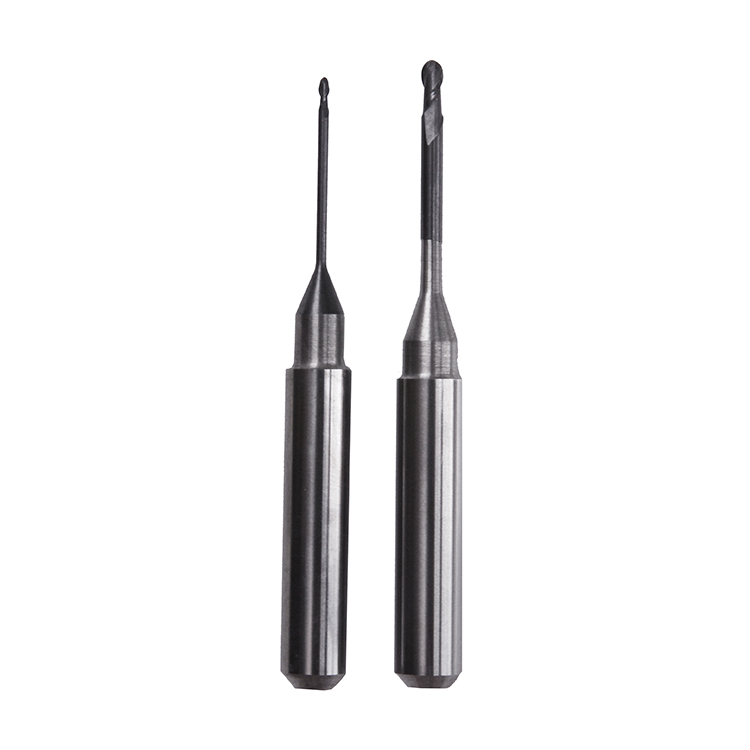
Selecting the right milling burs is critical for achieving precision and efficiency when working with PMMA and wax materials in dental laboratory and CAD/CAM environments. Different milling burs are engineered with specific geometries, cutting edges, and material compositions to handle the unique characteristics of each substrate. Understanding which milling burs perform best for PMMA and which are optimized for wax ensures faster production, better surface finishes, and reduced tool wear and breakage.
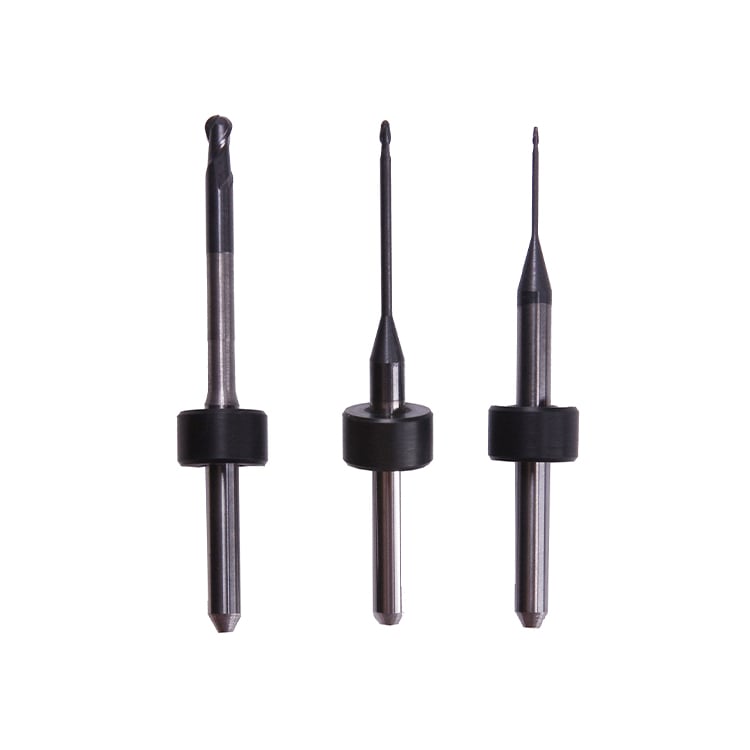
PMMA and wax present fundamentally different milling challenges. PMMA is a hard thermoplastic polymer that requires aggressive cutting, high spindle speeds, and burs designed to resist heat buildup and chipping. Wax, by contrast, is softer and more forgiving, but demands milling burs that maintain sharp edges and prevent clogging or gumming. Choosing appropriate milling burs for each material directly impacts cycle time, tool life, and the quality of the finished restoration.
Understanding Milling Burs for PMMA
Geometry and Design for PMMA Milling Burs
Milling burs designed for PMMA typically feature aggressive cutting geometries with multiple flutes and steep spiral angles. These milling burs are optimized to slice through hard acrylic without generating excessive friction or melting the material. The flute design and depth directly influence how material is evacuated from the cutting zone, preventing resin buildup that leads to tool damage. Most industrial milling burs for PMMA use positive rake angles to maximize chip removal efficiency.
The diameter and length of milling burs for PMMA applications vary based on the detail level required and the milling machine capability. Larger diameter milling burs remove stock faster during roughing operations, while smaller milling burs create fine details and surface finishes. Coatings on premium milling burs reduce friction and extend tool life by minimizing heat generation during high-speed spindle rotation.
Material Composition and Durability
High-performance milling burs for PMMA are manufactured from tungsten carbide or cobalt alloys, which provide superior hardness and thermal stability compared to steel. Tungsten carbide milling burs maintain their cutting edge at elevated temperatures and resist the chemical attack from PMMA dust and residues. Some advanced milling burs incorporate specialty coatings such as titanium nitride or diamond, which further enhance wear resistance and reduce cutting forces required during milling.
Durability of milling burs directly correlates with production cost per unit. While premium milling burs carry higher upfront expense, they deliver more pieces per tool before replacement, reducing overall material cost. For high-volume PMMA milling, investing in quality milling burs with extended tool life provides strong return on investment.
Specialized Milling Burs for Wax Milling
Wax-Specific Bur Characteristics
Milling burs for wax require fundamentally different design parameters than PMMA milling burs. Wax is significantly softer, so milling burs can operate at lower spindle speeds without losing cutting efficiency. The geometry of effective milling burs for wax emphasizes chip clearance and prevents the material from compacting or smearing around the cutting edges. Many wax-specific milling burs feature flatter rake angles and wider spacing between flutes to allow chips to escape freely.
The softer nature of wax means milling burs can be manufactured from less expensive materials like high-speed steel while still achieving excellent performance. Many dental laboratories prefer carbide milling burs for wax applications as well, since the cost difference is modest and tool life remains excellent. Wax-optimized milling burs produce smoother surface finishes that require minimal post-milling cleanup, accelerating the overall workflow.
Temperature and Clogging Prevention
Heat management is crucial when using milling burs on wax materials. Unlike PMMA, wax can soften or melt if cutting temperatures exceed material thresholds, causing material to adhere to milling burs and degrade tool performance. Milling burs designed for wax often incorporate geometry that promotes coolant flow and rapid heat dissipation. Proper coolant selection and delivery further protect milling burs from clogging and thermal damage.
Clogging of milling burs during wax milling creates a dangerous feedback loop: material buildup increases cutting resistance, which generates more heat, which softens more wax, leading to rapid tool failure. Premium milling burs for wax feature flute designs that actively shed material and maintain cleanliness throughout the milling cycle. This characteristic alone can justify the premium cost for high-production wax operations.
Selection Criteria and Application Strategy
Matching Milling Burs to Your Workflow
Selecting the right milling burs requires understanding your specific milling equipment capabilities and production volume. Different CAD/CAM milling machines have maximum spindle speeds, feed rates, and power limits that constrain which milling burs perform optimally. Consult your equipment documentation to identify the spindle speed range, and select milling burs rated for those speeds. Undersized or oversized milling burs relative to your machine capacity will underperform and wear prematurely.
Production volume and part complexity also influence bur selection strategy. High-volume PMMA production benefits from aggressive milling burs that prioritize speed, while custom or detailed restorations may require softer cutting characteristics to preserve fine details. Wax milling burs should emphasize surface quality if post-milling finishing labor is expensive in your operation. Evaluate total cost per piece rather than tool cost alone when deciding which milling burs to stock.
Storage and Tool Management
Proper storage of milling burs directly impacts their longevity and performance. Milling burs should be kept in clean, dry environments protected from moisture, dust, and temperature fluctuations. Organized storage systems that track tool wear and replacement cycles help prevent unexpected tool failure during production runs. Many laboratories implement tool management software that schedules milling burs for replacement based on usage time and piece count rather than waiting for failure.
Inspection and maintenance of milling burs before use ensures consistent results and prevents damage to expensive milling equipment. Dull or damaged milling burs should be retired immediately rather than pushed to failure, as they increase cutting forces, generate excessive heat, and risk breakage that can damage spindles. Implementing preventive tool replacement strategies reduces downtime and maintains production schedule reliability.
FAQ
What is the typical spindle speed for milling burs used on PMMA?
PMMA milling burs typically operate at spindle speeds between 15,000 and 25,000 RPM for roughing operations and up to 40,000 RPM for finishing passes. The exact speed depends on the bur diameter, cutting geometry, and your specific milling machine capabilities. Consulting with bur manufacturers and testing on your equipment will identify the optimal spindle speed for your milling burs to achieve the best balance of speed and surface quality.
Can the same milling burs be used for both PMMA and wax?
While some general-purpose milling burs may work adequately for both materials, material-specific milling burs will outperform in terms of tool life and production quality. PMMA-optimized milling burs are too aggressive for wax and may cause chipping or uneven surfaces, while wax milling burs lack the durability needed for repeated PMMA milling. Using dedicated milling burs for each material maximizes efficiency and minimizes costly tool failure interruptions.
How often should milling burs be replaced?
Milling burs should be replaced based on wear indicators or cycle count rather than a fixed schedule. Most high-quality milling burs can complete 50 to 200 pieces before requiring replacement, depending on material, cutting conditions, and bur type. Implementing a tool tracking system that monitors bur usage helps predict replacement timing and prevents unexpected tool failure that disrupts production schedules.